





Gibraltar lead water sampling has revealed elevated levels exceeding the state action level, making the Downriver community the latest in Southeast Michigan to trigger public notification requirements. The city, which receives water from the Great Lakes Water Authority, joins a growing list of GLWA customers that have reported similar exceedances over the past year.
July Sampling Reveals Elevated Lead in Five Homes
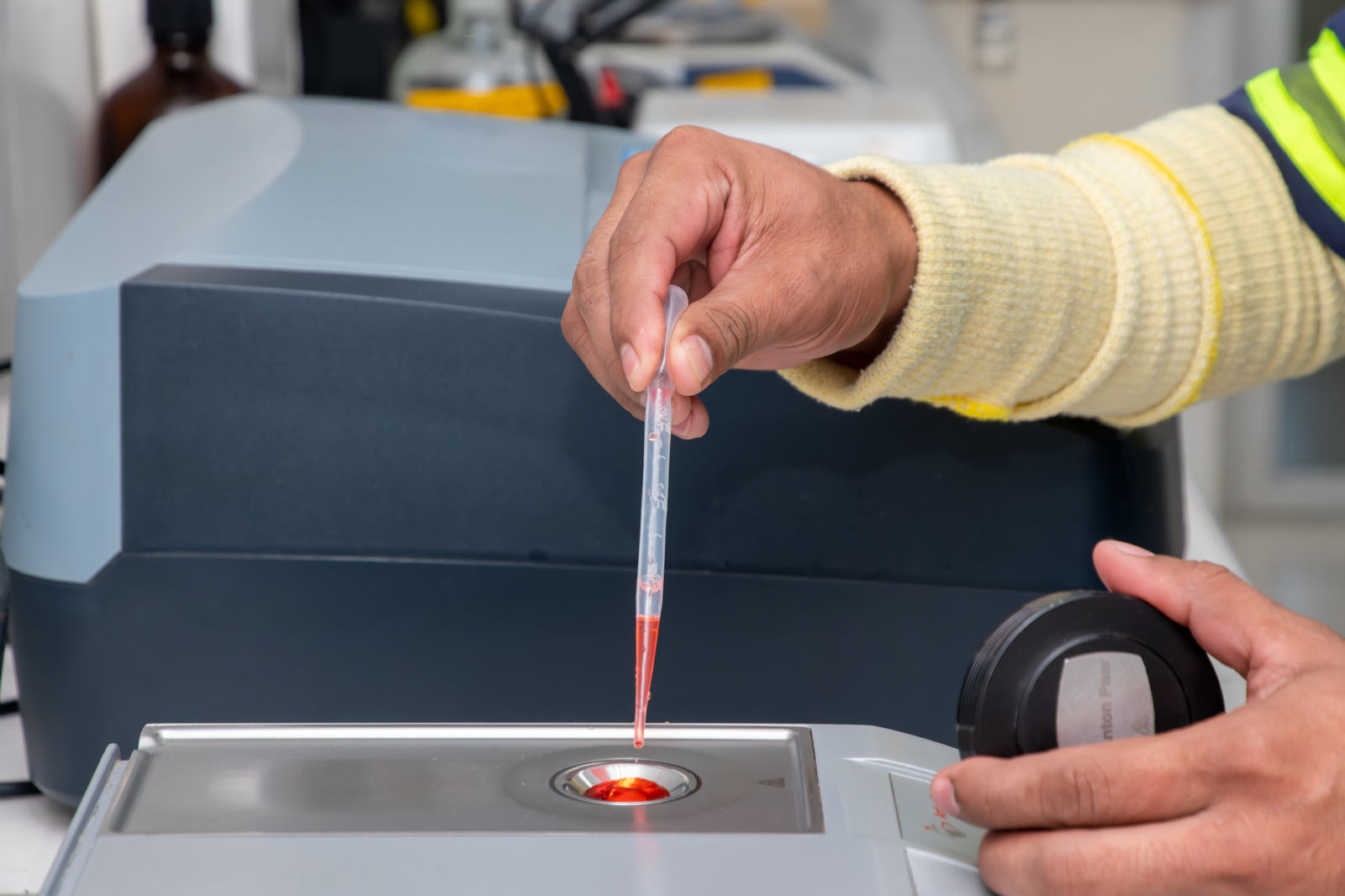
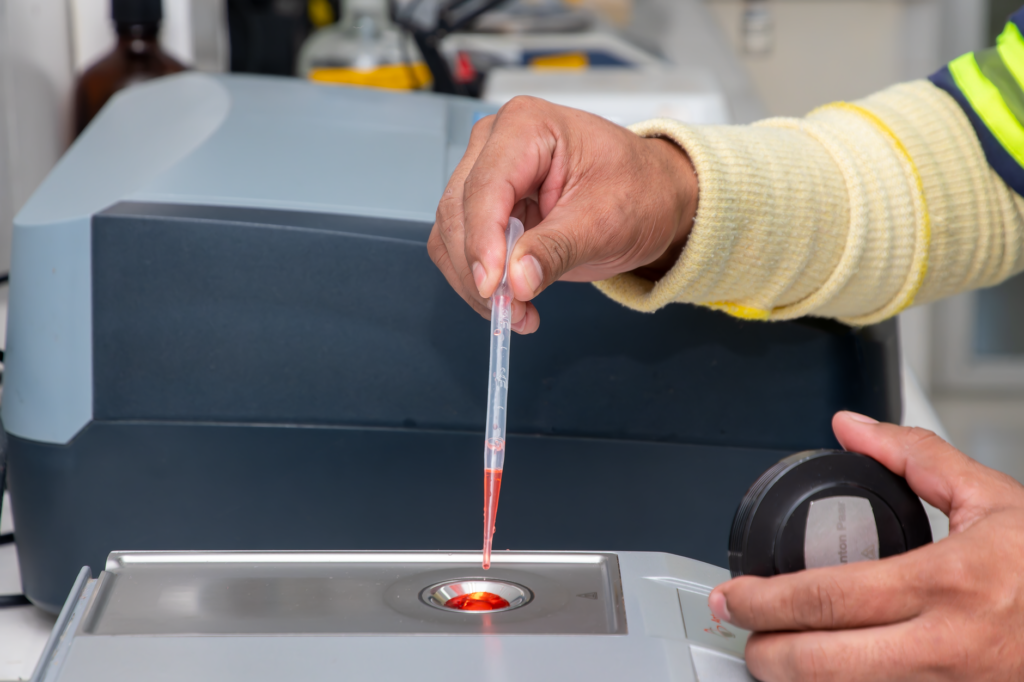
Water samples collected in July showed high lead concentrations in five of 20 homes tested in Gibraltar, according to Planet Detroit. The city issued a public notice in October informing residents of the exceedance. City officials did not make anyone available for comment when contacted last week.
The action level is a treatment standard, not a health-based threshold; there is no safe level of lead in drinking water. Exceeding it signals that corrosion control treatment may not be preventing lead from leaching from service lines or indoor plumbing into tap water.
Gibraltar Lead Water Results Prompt Public Notice
Michigan’s Department of Environment, Great Lakes, and Energy lowered the state lead action level to 12 parts per billion after the Flint water crisis. Federal regulators followed suit, and the federal action level is expected to drop further to 10 parts per billion in 2027. These tighter standards mean more communities will likely trigger notifications even if water quality has not changed.
Other GLWA Communities Also Affected
For the monitoring period ending December 31, 2025, at least eight other GLWA customer communities recorded lead action level exceedances: Taylor, Garden City, Grosse Pointe Woods, Hamtramck, River Rouge, Madison Heights, Inkster, and Grosse Ile Township. State regulators have indicated they will certify and publish the latest rounds of sampling data by January.
Protective Measures for Residents
Health officials recommend using an NSF-certified filter rated for lead removal as the most effective way to reduce exposure. Boiling water does not remove lead and can actually concentrate it. Residents in affected communities should also consider having their water tested, especially if their homes have lead service lines or older plumbing fixtures.
Implications for Southeast Michigan Residents
The pattern of exceedances across multiple GLWA communities suggests a systemic challenge with corrosion control across the regional system. Residents in the listed communities should review the public notices issued by their local water departments and follow filter recommendations. Those outside the listed areas but served by GLWA may want to request water quality reports from their municipal suppliers to understand local lead levels.