




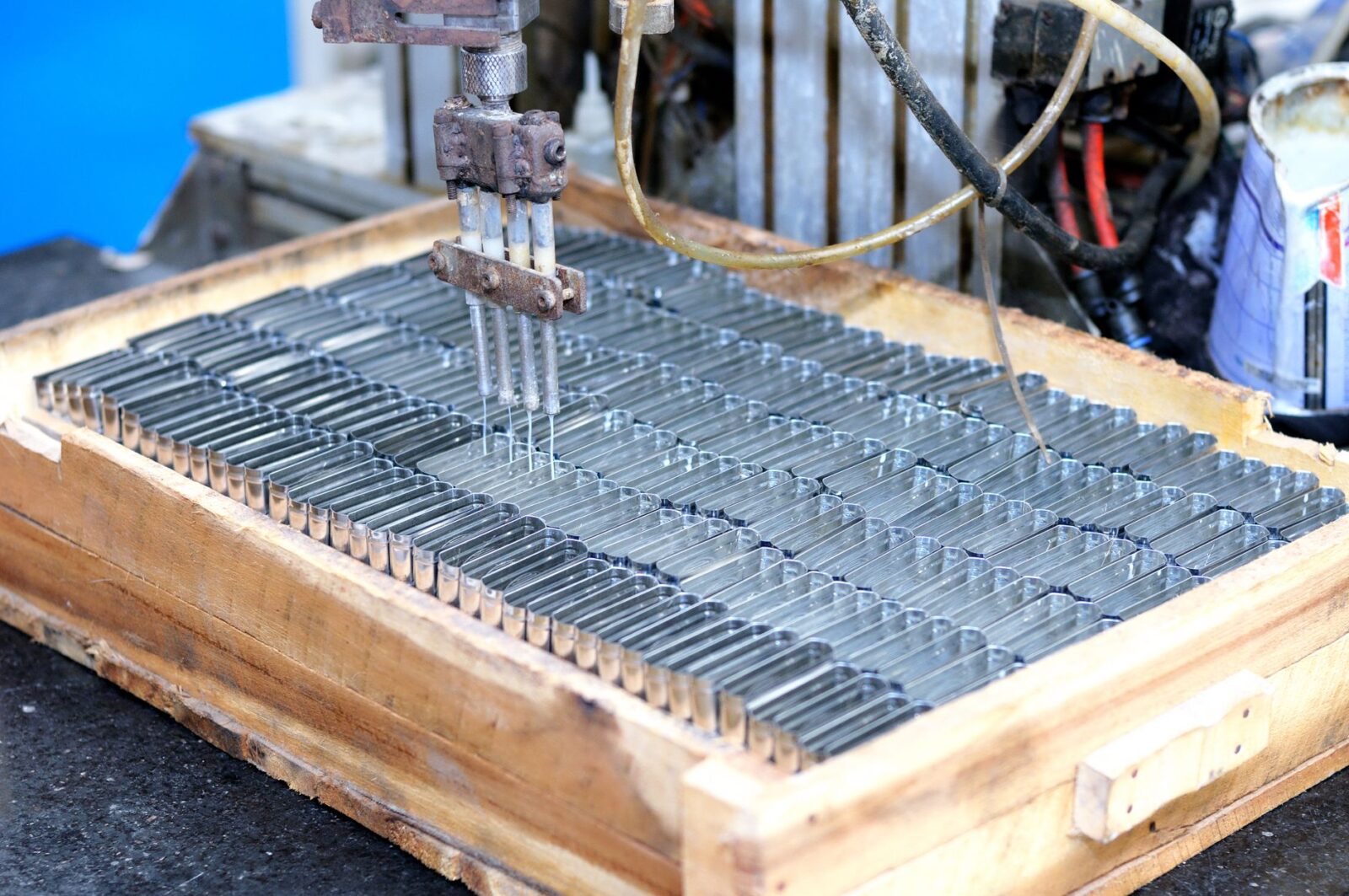
Ford LFP Battery Production has begun at BlueOval Battery Park Michigan in Marshall, Dbusiness reported on Nov. 23, 2026. The plant is east of Battle Creek, and the cells are lithium iron phosphate prismatic batteries intended for Ford Fathom truck prototypes being built in Louisville, Ky.
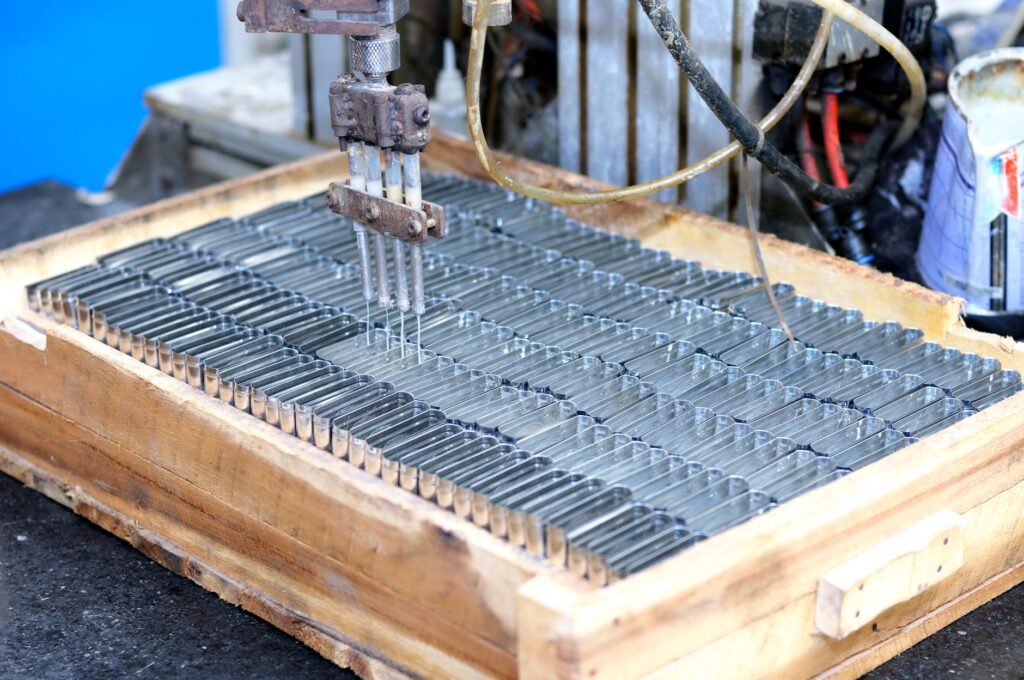
The report is a single-source account of a manufacturing milestone, not a full sales or volume forecast. Dbusiness reported that Ford described the output as commercial-scale production at a plant it owns and operates. Ford also said the cells are made with equipment comparable to that used by leading battery makers, according to the report.
Ford LFP Battery Production Marks a Manufacturing First
The Ford LFP Battery Production start is the central confirmed fact in the report. Dave Carroll, president of Ford Energy, framed it as a change in the company’s role. “Today represents more than the start of production in Marshall,” Carroll said, according to Dbusiness. He added that it represents Ford officially becoming a battery manufacturer.
That distinction matters because battery cell manufacturing is a different business from assembling vehicles. The Marshall plant is described as a mile-long Michigan gigafactory with advanced manufacturing technology. Ford said the site uses AI-powered image recognition, machine learning and predictive analytics to support employees and drive quality. Those are company descriptions, not independently verified findings in the source material.
What the Marshall Start Does Not Settle
Ford’s statements about affordability are expectations, not results. Dbusiness reported that Ford expects the BlueOval Battery Park Michigan batteries to unlock affordability for electric truck customers. The source does not give a price, a production volume, a customer delivery date or a final vehicle launch date. Readers should treat those points as unresolved.
The same caution applies to the energy storage side. Ford Energy is also building battery energy storage system production at Ford Energy Systems in Glendale, Ky. Ford hopes those systems will help fill what it describes as a critical and widening gap in America’s energy infrastructure. That is a stated ambition, not a measured outcome.
Michigan Cells, Kentucky Trucks: The Supply Chain in Plain Terms
For Michigan readers, the concrete link is geographic. The cells are produced in Marshall, and the first named use is prototype assembly in Louisville. The report does not say that full production Fathom trucks will use the cells, nor does it say when the prototypes will become retail vehicles. It also does not specify how many jobs the start of production has created or will create.
The Marshall site’s role in the broader battery map is clearer than its immediate economic effect. The Ford LFP Battery Production announcement places a Michigan plant in the early stage of a supply chain that stretches into Kentucky. It does not, by itself, establish that the plant has reached full capacity or that the batteries have entered broad commercial service.
Quality Claims and the Limits of a Single Report
Ford’s quality language is ambitious. Carroll said the company shares an ambition to achieve quality levels where anomalies are measured in parts per billion, according to Dbusiness. The report does not include independent quality data, defect rates or third-party certification. It also does not identify the equipment suppliers or the exact production capacity.
Those gaps do not erase the milestone. They define what can be said responsibly: production has started, the cells are LFP prismatic batteries, and the first named destination is a prototype program. The Ford LFP Battery Production story is therefore best read as a confirmed start with several open questions about scale, cost and timing.