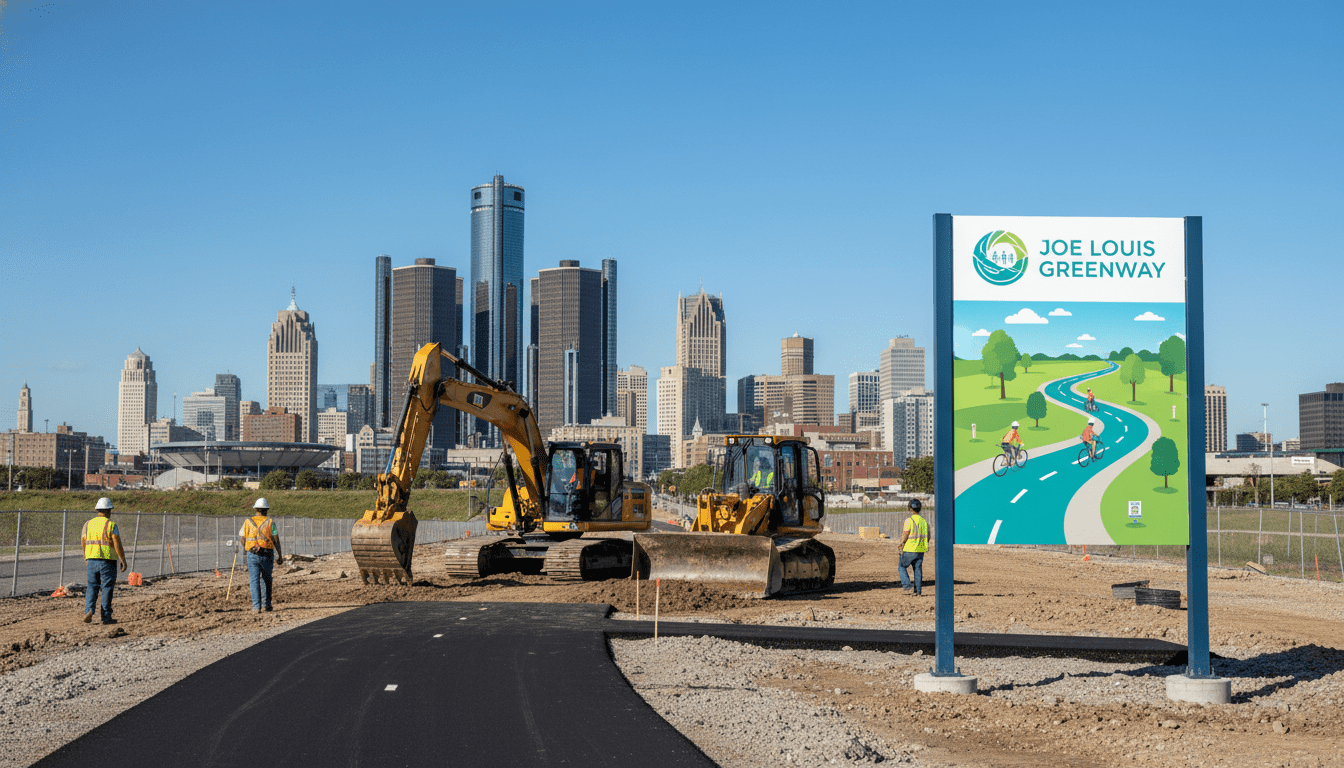
Construction crews have officially broken ground on a pivotal new segment of the Joe Louis Greenway, marking a significant step forward for the 27.5-mile loop intended to connect Detroit neighborhoods. This latest phase focuses on the gap between Southwest Detroit and the West Riverfront, a connection long anticipated by community advocates and city planners alike.
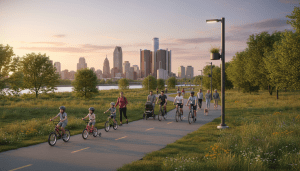
The project, which has been described by city officials as a transformational investment in public infrastructure, aims to unify diverse communities while providing safe, non-motorized transit options. According to the City of Detroit’s General Services Department, this specific leg of construction involves the transformation of abandoned rail corridors into paved, lighted pathways accessible to pedestrians and cyclists.
Connecting Communities Through the Joe Louis Greenway
The current phase addresses one of the most complex engineering challenges of the loop: bridging the industrial divide near the planned Ralph C. Wilson Jr. Centennial Park. Once completed, this section will allow residents to travel seamlessly from neighborhoods like Corktown and Mexicantown directly to the Detroit Riverfront without navigating heavy truck traffic.
“This isn’t just about pouring concrete; it is about stitching the city back together,” stated a representative from the Detroit Riverfront Conservancy during a recent briefing. “The goal is to ensure that a resident in the North End has the same access to our riverfront assets as someone living downtown.”
For more context on how infrastructure is reshaping the area, readers can view our ongoing coverage of urban development projects across the metro area.
Impact on Residents and Property Values
For residents living adjacent to the new construction zones, the Joe Louis Greenway promises both opportunities and challenges. Real estate analysts project a potential stabilization of property values in neighborhoods bordering the trail. Similar trends were observed following the completion of the Dequindre Cut, where adjacent properties saw increased demand.
However, concerns regarding displacement remain a topic of discussion at city council meetings. To address this, the city has emphasized its commitment to existing homeowners. “We are implementing framework plans to ensure that long-time Detroiters are the primary beneficiaries of this beautification,” said a spokesperson for the Planning and Development Department.
This development comes on the heels of renewed investment in Southwest Detroit, where business owners hope the increased foot traffic will boost the local economy.
Background & Project Data
The Joe Louis Greenway is a $200 million initiative named after the legendary Detroit boxer. When finished, it will connect 23 distinct neighborhoods to the Detroit Riverfront, Dequindre Cut, and Hamtramck. The project utilizes a combination of federal grants, city bonds, and private philanthropy.
According to data released by the Detroit Greenways Coalition, over 40,000 residents do not currently have access to a vehicle within the project area, making this infrastructure vital for equitable transportation.
What Happens Next
Heavy machinery will be visible along the rail corridor through the remainder of the year. The city expects this phase to be paved and open to the public by late 2025. Community engagement meetings are scheduled for next month to discuss signage, lighting, and safety measures for the new segment.
As the Joe Louis Greenway continues to take shape, DetroitCityNews.com will provide updates on road closures and milestone celebrations.