By Sarah Jenkins
Published: October 24, 2023
From Motor City to Tech Hub: How AI in Mobility is Re-Engineering Detroit
For over a century, Detroit has been defined by the internal combustion engine. Today, however, the city’s defining sound is becoming less about the roar of an exhaust and more about the quiet hum of computing power. As the global race for autonomous and connected vehicles accelerates, Detroit is aggressively positioning itself not just as a manufacturer of hardware, but as a global leader for AI in mobility.
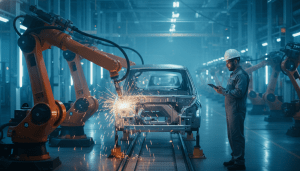
Major investments from the Big Three automakers, alongside a surge in local startups and state-backed initiatives, are transforming the region into a testing ground for artificial intelligence that manages everything from traffic flow to self-driving algorithms. This shift marks a critical pivot for the local economy, moving the focus from assembly lines to code bases.
The Shift to Software-Defined Vehicles
The integration of artificial intelligence into the automotive sector is no longer a futuristic concept; it is the current operational standard. According to the Michigan Economic Development Corporation (MEDC), the state is home to the highest concentration of engineering talent in the nation, specifically pivoting toward mobility tech.
“The car is essentially becoming a robot on wheels,” is a sentiment often echoed by industry analysts. In Detroit, this reality is visible at hubs like Michigan Central—Ford’s innovation district in Corktown—and the Detroit Smart Parking Lab. These sites serve as real-world sandboxes where AI in mobility is rigorously tested.
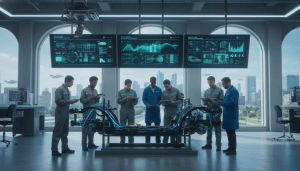
Local industry experts note that the focus has shifted from simple driver assistance to complex predictive modeling. AI systems are now being designed to predict pedestrian behavior, optimize battery life for EVs based on weather conditions, and communicate with city infrastructure to reduce congestion.
Impact on Detroit Residents
For the average Detroiter, the rise of AI in mobility promises changes closer to home than just the factory floor. The immediate impact is expected to be seen in traffic management and public safety.
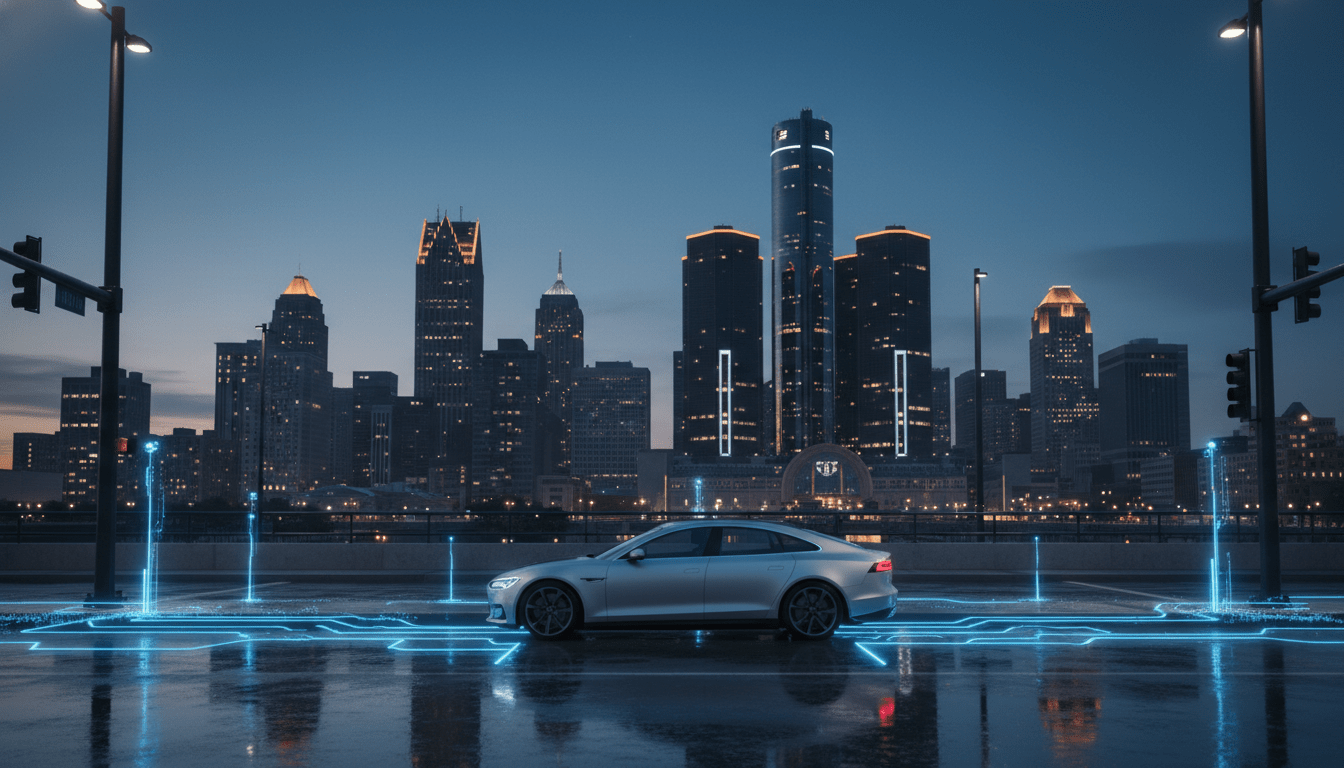
The City of Detroit has been gradually implementing smart traffic signals and monitoring systems that utilize AI to adjust light timing in real-time. This technology aims to reduce commute times and lower emissions by minimizing idling. Furthermore, the deployment of advanced driver-assistance systems (ADAS) in newer vehicle models is statistically linked to a reduction in traffic accidents.
However, the transition also brings questions regarding the workforce. While the local job market is seeing a surge in demand for data scientists and software engineers, there is an ongoing conversation about retraining the existing manufacturing workforce to adapt to high-tech manufacturing roles that require digital literacy.
Background & Data: The Investment Landscape
Data supports the narrative of a massive technological overhaul in Southeast Michigan. A report by the Brookings Institution highlighted that Detroit is among the top metro areas for growth in advanced industries.
- State Investment: The Office of Future Mobility and Electrification continues to offer grants to startups testing autonomous technologies within city limits.
- Corporate Strategy: General Motors and Ford have both publicly committed billions toward software development and autonomous driving units, cementing the region’s role in the software-defined vehicle era.
- Academic Support: The University of Michigan’s Mcity and the American Center for Mobility provide the academic and testing backbone required to validate these AI systems before they hit public roads.
What Happens Next
The trajectory for AI in mobility suggests that Detroit will continue to serve as the intersection between Silicon Valley technology and industrial scale. The next five years are critical as Level 3 and Level 4 autonomous vehicles begin to see wider regulatory approval.
Observers expect to see more partnerships between Detroit’s legacy automakers and major tech firms. For the automotive industry, the race is no longer just about horsepower, but about computing power. As these technologies mature, Detroit’s streets will likely become the primary showroom for the future of transportation.