By Sarah Jenkins
Published: October 24, 2023
Location: Detroit, Michigan
How Public-Private Partnerships Are Reshaping Detroit’s Economic Landscape
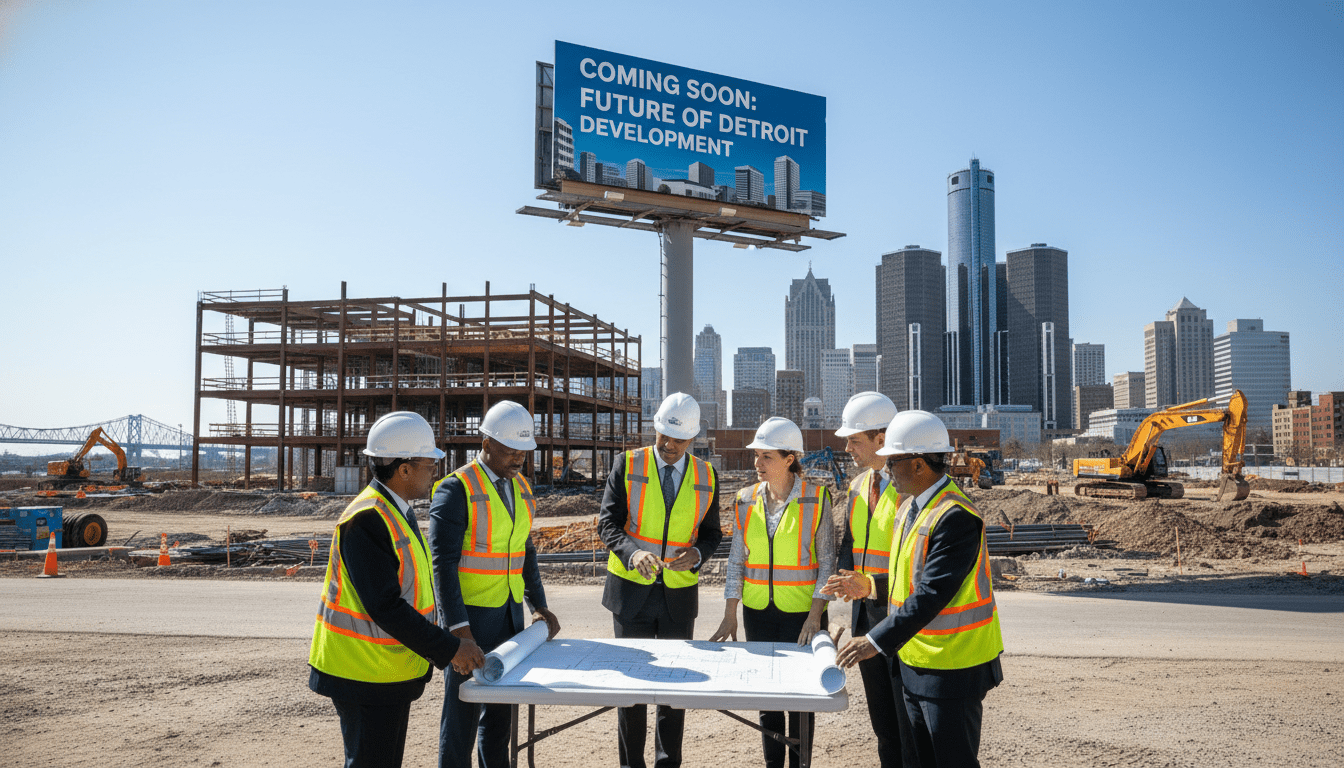
Detroit’s resurgence over the last decade has been fueled by a complex engine of investment, policy, and collaboration. At the heart of this transformation lie Detroit public-private partnerships (P3s), a strategy that pairs government oversight and assets with private sector capital and execution. From the towering Hudson’s site development to the restoration of Michigan Central Station, these collaborations are defining the city’s next chapter.
While often associated with mega-projects in the downtown core, city officials and developers are increasingly utilizing this model to address neighborhood infrastructure, affordable housing, and public spaces. As Detroit continues to evolve, understanding the mechanics and outcomes of these partnerships is essential for residents gauging the future of their communities.
The Engine of Revitalization
A public-private partnership involves a contract between a public agency and a private sector entity. In Detroit, this often manifests through tax increment financing (TIF), land transfers, or tax abatements managed by entities like the Detroit Economic Growth Corporation (DEGC). The goal is to make projects that might be financially risky for a private developer feasible, in exchange for public benefits.
According to data from the DEGC, billions of dollars in investment have been secured through these mechanisms since the city’s bankruptcy exit. “The model allows the city to leverage private efficiency and capital while ensuring that development aligns with the city’s broader strategic goals,” a representative from the Planning and Development Department stated in a recent briefing.
Major examples include the Gordie Howe International Bridge and the extensive renovations along the Detroit Riverfront, where the Detroit Riverfront Conservancy works hand-in-hand with city and state agencies.
Detroit Public-Private Partnerships in Action
The efficacy of Detroit public-private partnerships is visible in several high-profile developments. Perhaps the most notable recent example is Ford Motor Company’s restoration of Michigan Central Station in Corktown. While driven by private investment, the project benefited from state and local infrastructure support and tax incentives designed to create a mobility innovation district.
Similarly, the District Detroit—a massive sports and entertainment district anchored by Little Caesars Arena—relied heavily on public financing mechanisms. While these projects bring construction jobs and tourism revenue, they also spark debate regarding the allocation of public funds.
The Role of the Community Benefits Ordinance
To ensure these partnerships serve the public good, Detroit voters approved the Community Benefits Ordinance (CBO). This law requires developers seeking significant public support or land to engage with a Neighborhood Advisory Council. The process creates a legally binding agreement detailing benefits such as local hiring mandates, affordable housing units, and environmental protections.
Impact on Detroit Residents
For the average Detroiter, the impact of these partnerships is mixed but tangible. On one hand, P3s have successfully remediated blight and reactivated dormant spaces. New parks and greenways are often the direct result of philanthropic and corporate partnerships working with the city.
However, scrutiny remains regarding the long-term economic trickle-down. Critics argue that while downtown thrives, neighborhood commercial corridors need more robust P3 interventions. In response, the city has launched initiatives like the Strategic Neighborhood Fund, which mimics the downtown P3 model but focuses strictly on areas like Livernois-McNichols and Southwest Detroit.
Residents can expect to see:
- Infrastructure Upgrades: Private utilities and the city collaborating on broadband and lighting.
- Job Opportunities: Construction and permanent jobs tied to CBO agreements.
- Housing Developments: Low-Income Housing Tax Credit (LIHTC) projects increasing affordable stock.
Background & Data
According to reports from the City of Detroit, tax captures from downtown developments have begun to stabilize, allowing the Downtown Development Authority to reinvest in infrastructure. Furthermore, a 2024 economic outlook report suggests that for every $1 of public investment in these partnerships, the city sees an average of $6 to $8 in private investment.
Local business owners are also entering the fray. “It’s not just for the billionaires,” said Mark Thompson, a local real estate entrepreneur in the Jefferson Chalmers area. “Small-scale developers are partnering with land bank authorities to rehabilitate single structures. It’s a micro-P3 model that stabilizes blocks one house at a time.”
What Happens Next
As we look toward 2025, the nature of Detroit public-private partnerships is shifting. The focus is moving toward sustainability and transit. With the expansion of the People Mover and discussions on regional transit, P3s will likely be the vehicle for funding these capital-intensive projects.
Residents should monitor the upcoming City Council sessions, where several new development deals involving city-owned land are slated for debate. The success of these future partnerships will depend on rigorous oversight and ensuring that the “public” side of the partnership receives equitable returns.