Detroit, long recognized globally as the Motor City, is currently undergoing one of the most significant economic transformations in its history. As the automotive industry aggressively pivots toward electrification, autonomy, and connected infrastructure, the demand for a specialized Detroit mobility workforce has never been higher. State officials, major automakers, and educational institutions are launching coordinated efforts to ensure that the region’s talent pool evolves alongside the technology.
The transition is no longer theoretical. With billions of dollars in investments pouring into electric vehicle (EV) battery plants and autonomous vehicle research centers across Michigan, the pressing challenge is no longer just manufacturing capacity—it is human capital. The race to build a workforce capable of sustaining this new ecosystem is redefining the local economy and opening new pathways for Detroit residents.
The Shift from Hardware to Software
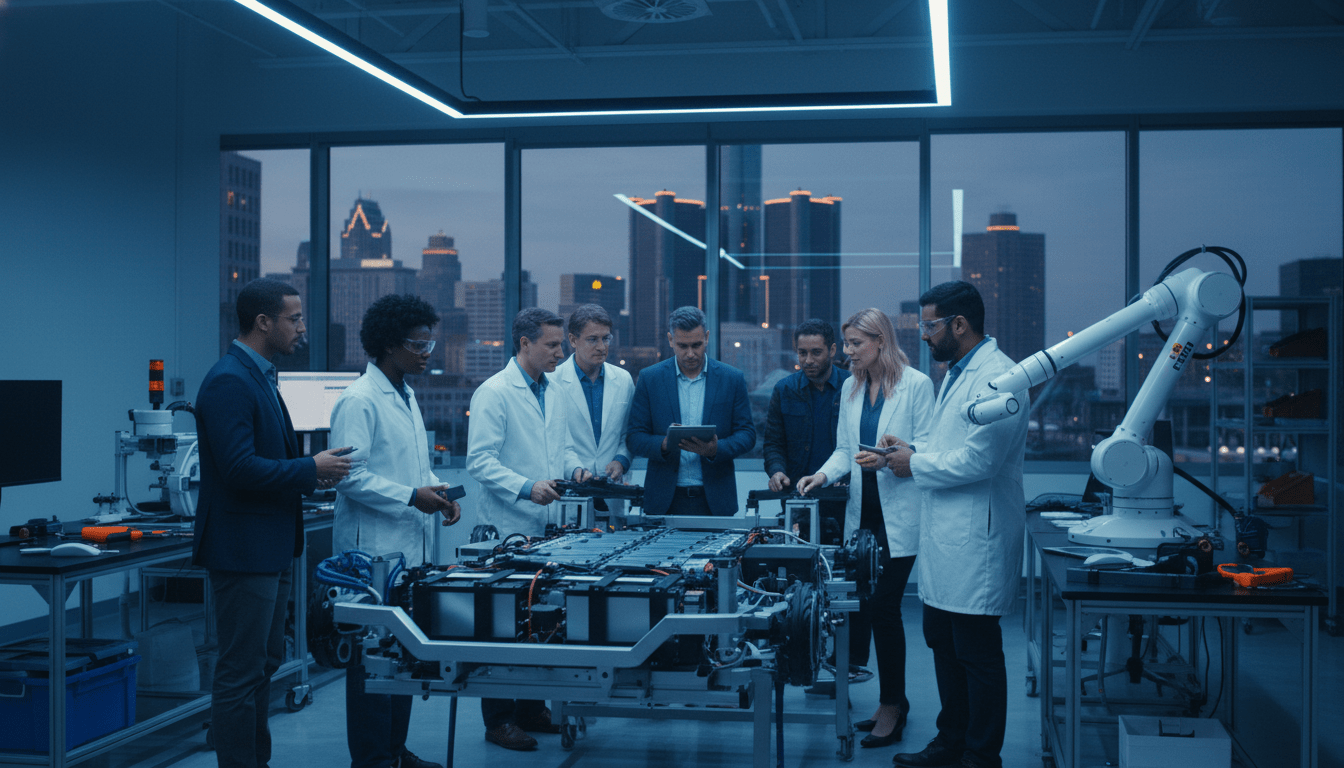
For decades, Detroit’s economic backbone was built on mechanical engineering and assembly. While these skills remain vital, the definition of “automotive work” is expanding. Modern mobility requires proficiency in software development, cybersecurity, electrical engineering, and data analysis.
According to data from the Michigan Economic Development Corporation (MEDC), the state is aggressively targeting the recruitment and training of thousands of tech workers to fill the gap. The MEDC’s Talent Action Team, a public-private partnership involving major employers and universities, has identified a critical need to fill roles specifically in EV and semiconductor industries.
This shift represents a fundamental change in the region’s employment landscape. “The car of the future is essentially a computer on wheels,” noted a recent report by MICHauto, an economic development initiative of the Detroit Regional Chamber. “To maintain our status as the mobility capital of the world, our workforce development strategies must prioritize digital literacy and advanced technical training just as heavily as traditional manufacturing skills.”
State and Local Initiatives Bridging the Gap
To address the shortage, several high-profile initiatives have been launched to bolster the Detroit mobility workforce. One of the most prominent is the EV Scholars program, backed by the MEDC. This initiative provides scholarships and career assistance to university students who commit to working in Michigan’s EV and mobility sector after graduation.
Furthermore, the reopening of Michigan Central Station in Corktown serves as a physical anchor for this workforce evolution. Ford Motor Company’s restoration of the historic site was not merely a real estate project; it was designed as an innovation hub to attract startups and tech talent to Detroit. The campus is becoming a training ground where traditional automotive expertise merges with Silicon Valley-style innovation.
Local universities are also adapting their curriculums. Wayne State University and the University of Detroit Mercy have expanded their engineering and computer science programs to include specialized coursework on battery technology and autonomous systems, directly responding to feedback from local industry partners.
Impact on Detroit Residents
For the average Detroit resident, this high-tech pivot raises important questions about accessibility and opportunity. There is a concerted effort by city officials to ensure that the benefits of the mobility boom extend beyond imported engineering talent and reach local neighborhoods.
Organizations like Detroit at Work are critical in this equation. By offering training programs that bridge the gap between entry-level capabilities and the specific needs of advanced manufacturing, the city aims to prevent a skills mismatch. Residents are being encouraged to explore certification programs that can lead to high-paying roles in battery assembly and EV maintenance—positions that do not always require a four-year degree but do require specialized technical training.
Community leaders have emphasized that workforce development must be inclusive. “We cannot have a situation where the jobs of the future are located in Detroit, but filled entirely by people from outside Detroit,” said a representative from a local workforce advocacy group during a recent town hall on economic development. “The pathway from high school to a mobility career needs to be clear for students in Detroit Public Schools.”
Challenges in Retention and Competition
Despite the robust programs in place, challenges remain. Detroit is competing with other tech hubs like Austin, Silicon Valley, and even emerging EV hubs in the American South. Retaining the Detroit mobility workforce once they are trained is as difficult as training them in the first place.
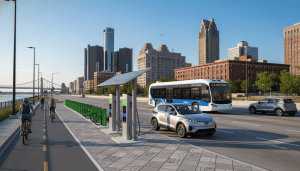
To combat brain drain, the state has focused on “placemaking”—improving the quality of life, transit options, and cultural amenities in Detroit to make the city attractive to young professionals. See our recent coverage on downtown development projects to understand how infrastructure improvements are being leveraged to retain top talent.
The Road Ahead: 2030 and Beyond
The goals set by the state of Michigan are ambitious. By 2030, the aim is to have a dominant share of the North American EV production market and a workforce fully equipped to support it. This requires a continuous pipeline of talent, from K-12 STEM education through to doctoral research.
For Detroit, the stakes are existential. Successfully retooling the workforce means securing the city’s economic future for the next century. Failure to adapt could see the region lose its crown as the automotive capital. However, with strong collaboration between government, industry, and education, the foundation is being laid for a robust, diverse, and highly skilled mobility workforce.
As the industry evolves, DetroitCityNews.com will continue to monitor how these programs perform and whether they deliver on the promise of bringing high-quality employment to the residents of the city.