Detroit, long known globally as the Motor City, is currently undergoing a significant transformation. The city that put the world on wheels is now working to reinvent how those wheels interact with the road. Through the implementation of Detroit intelligent transportation systems (ITS), local government bodies and private partners are deploying advanced technology to solve age-old problems of congestion, safety, and infrastructure management.
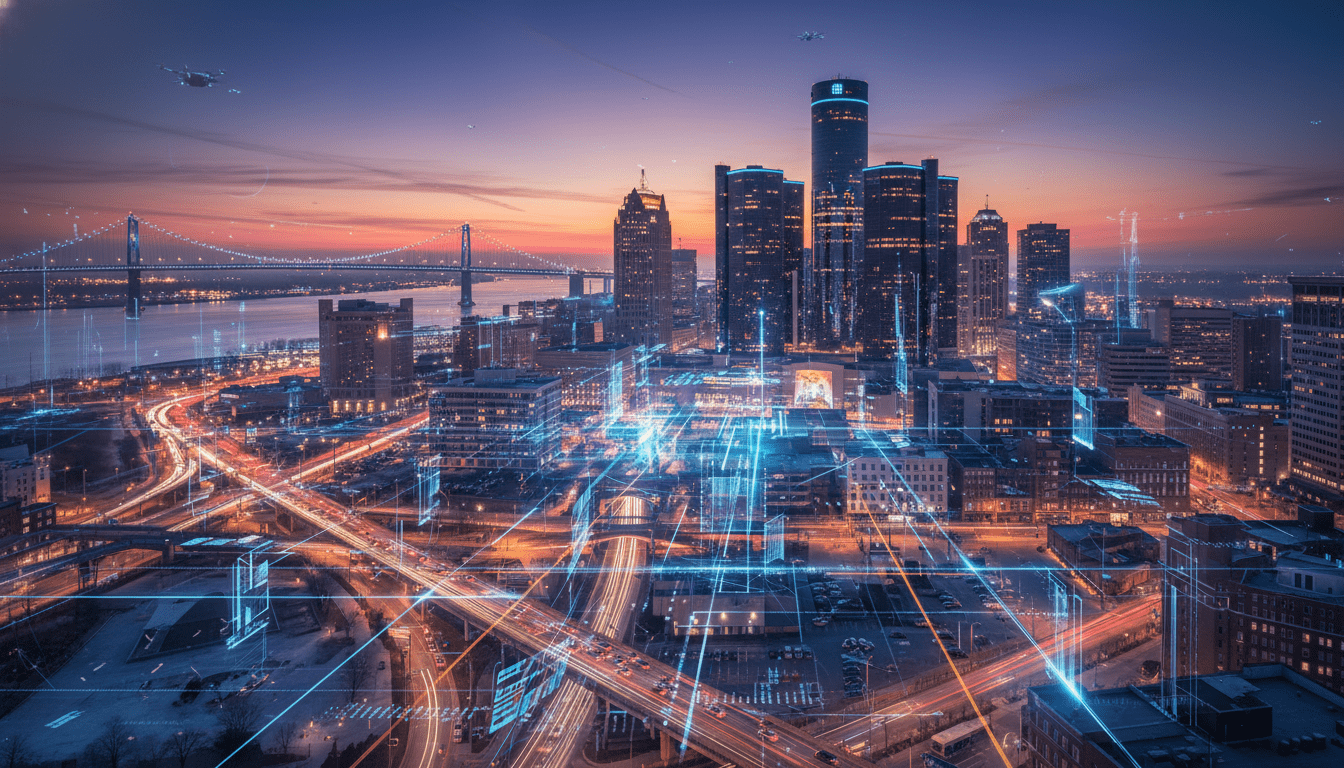
While the concept of “smart cities” often feels abstract, the reality on the ground in Detroit is tangible. From adaptive traffic signals in Corktown to the connected vehicle corridors along I-94, the integration of data, sensors, and communication networks is creating a digital layer over the city’s physical asphalt. According to the Michigan Department of Transportation (MDOT), these initiatives are not merely about preparing for a future of autonomous vehicles but are designed to improve the daily commute for residents driving conventional cars today.
The Backbone of Detroit’s Smart Mobility
Intelligent Transportation Systems refer to the application of sensing, analysis, control, and communications technologies to ground transportation. In Detroit, this is manifesting through several high-profile projects. One of the most significant is the collaboration involving the Michigan Department of Transportation and various private tech firms to modernize the state’s corridors.
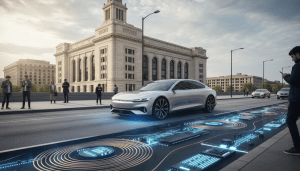
The digitization of Detroit’s infrastructure relies heavily on Vehicle-to-Infrastructure (V2I) technology. This allows roadside units to communicate directly with vehicles, providing warnings about weather conditions, accidents, or signal changes.
“We are moving from a reactive model of traffic management to a proactive one,” stated a representative from the Michigan Office of Future Mobility and Electrification in a recent industry report. “By utilizing real-time data, we can adjust traffic signal timing to clear congestion before it becomes a gridlock, reducing idling times and emissions in the process.”
A prime example of this innovation is the deployment of smart intersections. Unlike traditional timers, these systems use cameras and radar to detect the volume of traffic and the presence of pedestrians, adjusting the lights dynamically. For a city like Detroit, which sees fluctuating traffic density between downtown events and quiet residential periods, this flexibility is crucial.
Impact on Detroit Residents
For the average Detroiter, the phrase “Detroit intelligent transportation systems” might sound like corporate jargon, but the practical implications are improving quality of life in neighborhoods and commercial districts. The primary benefit currently being realized is safety.
According to data from the National Highway Traffic Safety Administration (NHTSA), human error accounts for the vast majority of traffic accidents. ITS aims to mitigate this by providing drivers with better information. For instance, connected infrastructure can alert a driver if they are about to run a red light or if there is a stalled vehicle around a blind curve on the lodge.
Furthermore, the push for smart mobility is tied directly to Detroit business and economic growth. Efficient transportation networks reduce logistics costs for local businesses and make the city more attractive for tech startups looking to test mobility solutions.
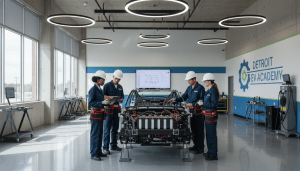
Residents in areas like Corktown, surrounding the revitalized Michigan Central Station, are seeing these technologies first. The district has become a living laboratory for mobility innovation, where Ford and Google have partnered to train people for high-tech jobs while testing new infrastructure concepts.
Data and Privacy: The Untold Story
While the benefits are clear, the expansion of Detroit intelligent transportation systems brings questions regarding data collection. The systems rely on gathering massive amounts of information to function correctly. Local privacy advocates have raised questions about how this data is stored and used.
City officials have maintained that the data collected is anonymized and aggregate. The focus is on traffic patterns rather than individual tracking. Reports from the City of Detroit’s Department of Public Works indicate that the sensors employed for adaptive traffic control do not store personal identifiable information (PII) but rather count vehicle instances to optimize flow.
Research from the University of Michigan Transportation Research Institute (UMTRI) supports the efficacy of these systems. Their studies have shown that connected vehicle environments can reduce traffic delays by as much as 30% in high-congestion areas, a statistic that holds promise for Detroit’s rush hour commuters.
The Role of the I-94 Modernization
A major component of the region’s ITS strategy is the I-94 modernization project. This isn’t just about paving new lanes; it is about embedding technology into the interstate. The project aims to prepare the corridor for the eventual dedicated lanes for connected and autonomous vehicles (CAVs).
By installing fiber optic cables and digital infrastructure alongside the physical road improvements, Detroit is ensuring that its highways remain relevant for decades. This forward-thinking approach positions Detroit as a leader compared to other municipalities that are only fixing potholes without upgrading the technological capacity of the roadway.
The Detroit tech sector is heavily involved in supplying the software and hardware for these upgrades, keeping the economic benefits of these infrastructure investments within the local economy.
What Happens Next?
As Detroit continues to implement these systems, the convergence of automotive heritage and digital future becomes more defined. The next phase involves scaling these pilot programs from specific districts to city-wide adoption. This includes better integration with public transit systems, ensuring that buses are prioritized at traffic signals to improve on-time performance.
The rollout of Detroit intelligent transportation systems serves as a signal to the rest of the country. By successfully merging heavy infrastructure with high-speed data, Detroit is proving that a historic industrial city can lead the charge in the smart city revolution.