The physical transformation of Detroit has become impossible to ignore. From the towering cranes visible from I-75 to the renovation of historic storefronts in Livernois-McNichols, Detroit real estate development is entering a pivotal phase that balances mega-projects with neighborhood revitalization. As the city moves further into the decade, the focus has shifted from stabilizing the downtown core to connecting disparate districts and addressing long-standing housing needs.
While headlines often focus on the glittering glass of new skyscrapers, the story of Detroit’s current development cycle is nuanced. It involves a complex interplay between private equity, public funding, and community benefits agreements designed to ensure that long-time residents are not left behind in the rush for modernization. According to data from the City of Detroit, billions of dollars are currently in the pipeline for construction projects, signaling sustained investor confidence despite broader national economic fluctuations.
The Downtown Giants: Hudson’s Site and District Detroit
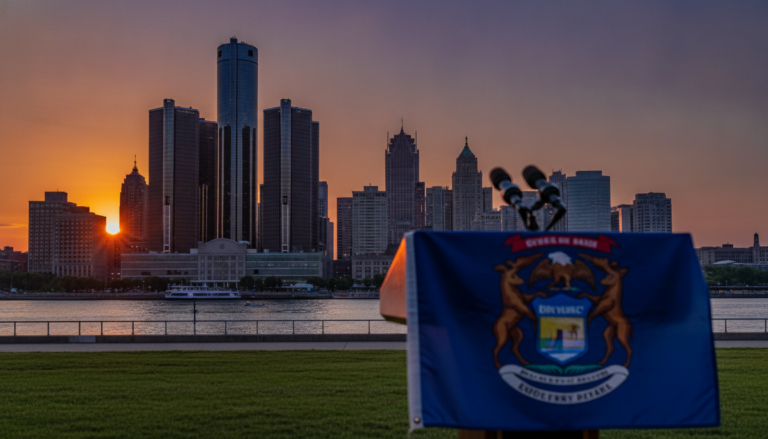
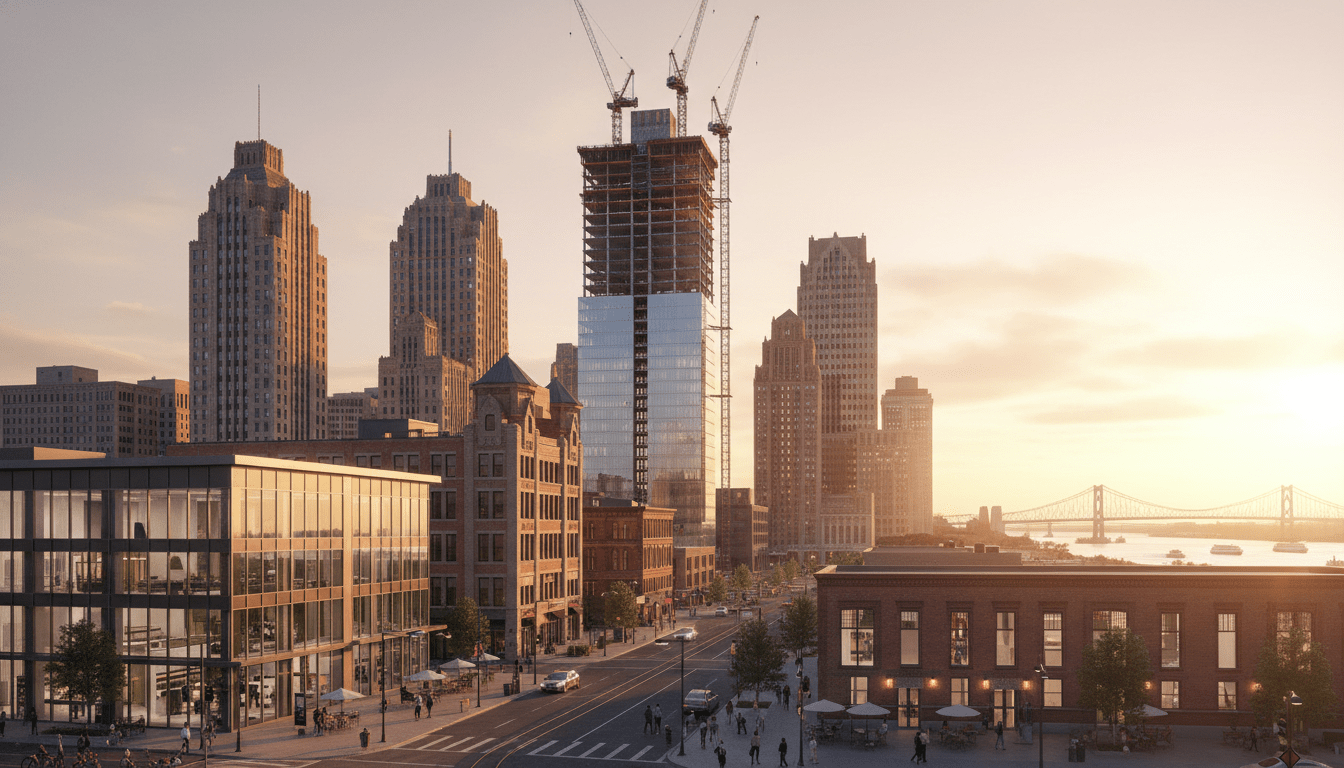
The most visible symbol of this new era is undoubtedly the development at the former J.L. Hudson’s department store site. Managed by Bedrock, this mixed-use tower has altered the city’s skyline, creating a new vertical landmark. However, the significance of the project extends beyond its height. It represents a shift toward high-density, mixed-use living and working environments that urban planners have long advocated for in the Midwest.
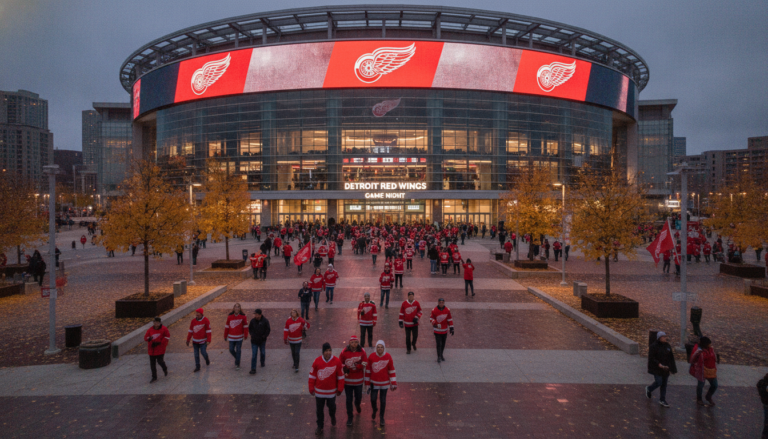
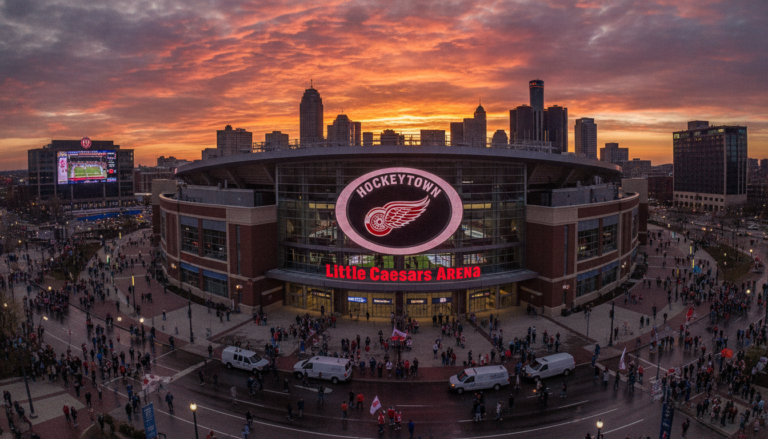
Similarly, the District Detroit—the area connecting Downtown to Midtown—continues to evolve. Although the initial pace of development faced criticism for lagging behind the construction of Little Caesars Arena, recent movements suggest a renewed push. The University of Michigan’s Center for Innovation is slated to be a major anchor, intended to turn the area into a hub for technology and education.
Local business owners in the Cass Corridor have expressed cautious optimism about these developments. “The foot traffic is undeniable when events are happening, but we need consistent density,” said one restaurant owner near Peterboro Street. “The new residential units being promised are essential for keeping businesses alive on non-game days.”
Expanding to the Neighborhoods: The Strategic Neighborhood Fund
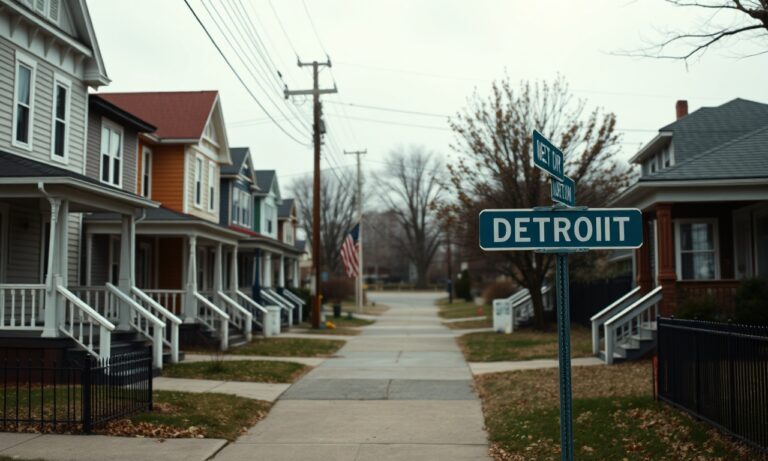
While downtown mega-projects garner national attention, arguably the most impactful Detroit real estate development is happening in the neighborhoods. The Strategic Neighborhood Fund (SNF), a partnership between the City of Detroit and Invest Detroit, has targeted specific corridors for density and beautification. Areas like Jefferson Chalmers, Southwest Detroit, and the McNichols corridor are seeing targeted investments intended to create “20-minute neighborhoods” where residents can access goods and services without relying heavily on cars.
According to the City of Detroit’s Housing and Revitalization Department, the goal is to rehabilitate vacant commercial strips and pair them with affordable housing. This strategy attempts to reverse decades of disinvestment that left many neighborhoods with pockmarked streets and empty lots.
Recent completions in these zones have brought online hundreds of residential units, many of which are reserved for residents earning below the Area Median Income (AMI). This focus on affordability is a direct response to fears that Detroit’s resurgence could mirror the displacement seen in coastal cities.
Impact on Detroit Residents: Affordability and Access
For the average Detroiter, the flurry of construction raises a critical question: Who is this development for? The rise in property values is a double-edged sword. For homeowners who stuck it out through the bankruptcy, rising equity is a pathway to wealth generation. However, for renters and those on fixed incomes, the fear of displacement is palpable.
To mitigate this, the city has enforced strict affordable housing mandates for developers seeking tax incentives. Projects receiving public support are generally required to set aside at least 20% of units for affordable housing. However, housing advocates often argue that the definition of “affordable”—often calculated based on a regional median income that includes affluent suburbs—remains out of reach for many living within the city limits.
Access to local amenities and essential services is also improving as a result of these developments. New grocery stores, such as the Meijer on East Jefferson and smaller co-ops in the North End, are addressing the “food desert” status that plagued the city for years. Infrastructure improvements, including bike lanes and wider sidewalks, are frequently tied to these real estate deals, improving the overall quality of life.
Market Data and Investment Trends
Understanding the scope of Detroit real estate development requires looking at the numbers. Reports from local brokerages indicate that while commercial office space vacancy rates remain a challenge—a trend mirrored nationally post-pandemic—the demand for industrial and multi-family residential space in Detroit is robust.
- Residential Inventory: There is a tight supply of move-in ready homes, pushing developers to renovate existing housing stock rather than focusing solely on new builds.
- Industrial Growth: The revitalized Michigan Central Station by Ford has spurred ancillary development in Corktown, driving up land values and attracting tech-focused startups.
- Rental Market: Rents in Greater Downtown have stabilized but remain significantly higher than pre-2020 levels, driving demand to adjacent neighborhoods like New Center and Woodbridge.
According to U.S. Census Bureau data, while Detroit’s population decline has leveled off, attracting new residents remains a priority for the tax base. Developers are betting that high-quality amenities are the key to reversing population trends.
What Happens Next?
Looking ahead to late 2025 and 2026, the pipeline for Detroit real estate development suggests a maturation of the market. The frenzy of speculative buying has cooled, replaced by strategic, long-term projects. The completion of the Gordie Howe International Bridge is expected to reshape the logistics and industrial real estate sector in Southwest Detroit, creating new hubs for trade and transport.
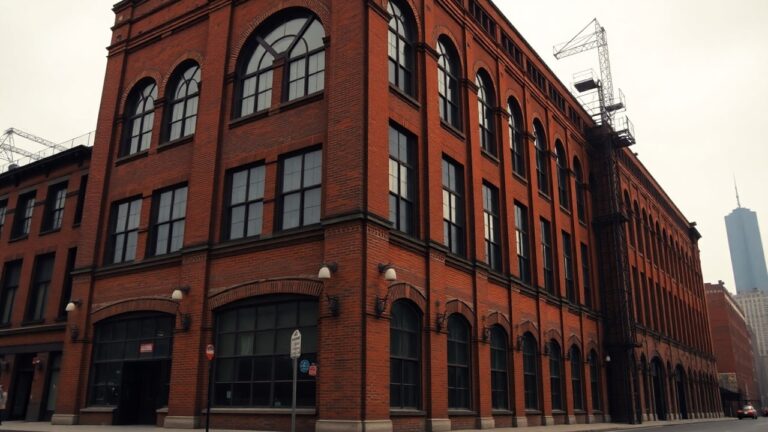
Furthermore, the adaptive reuse of historic structures continues to define the city’s architectural identity. Rather than demolishing the past, developers are increasingly finding value in the “good bones” of Detroit’s manufacturing legacy. For more coverage on how these changes affect the local economy, visit our Detroit Business & Startups section.
As the landscape changes, the city’s ability to maintain housing affordability while courting high-end investment will be the true test of this development boom. For now, the cranes in the sky signal a city that is very much under construction, building toward a future that hopes to include everyone.
For more official updates on city planning, residents can visit the City of Detroit Planning and Development Department.