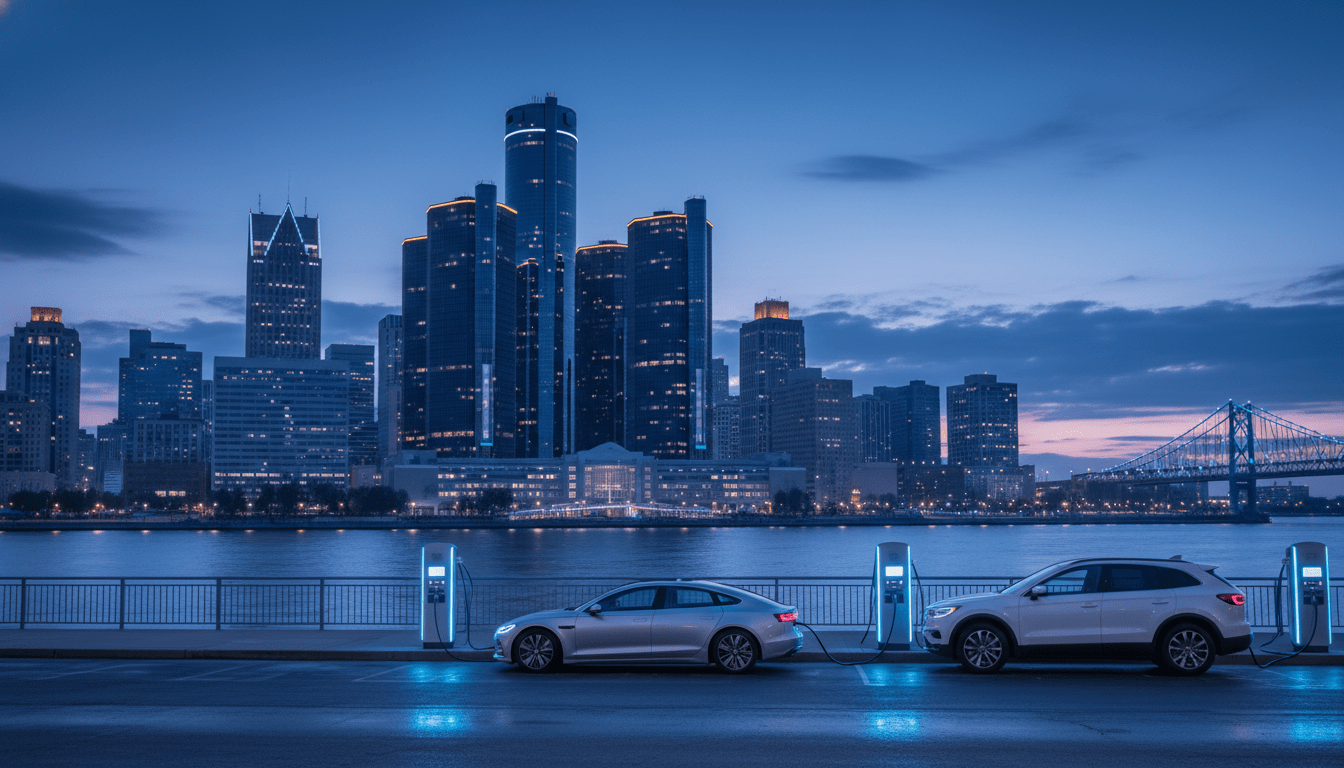
Detroit’s identity has been inextricably linked to the automotive industry for over a century. In 2025, that bond remains as strong as ever, but the nature of the relationship is undergoing a radical transformation. As the global automotive landscape shifts toward electrification and software-defined vehicles, Detroit car brands—specifically the traditional "Big Three" of General Motors, Ford, and Stellantis—are not just updating their fleets; they are reshaping the physical and economic geography of the city itself.
This ongoing evolution goes beyond the assembly lines. It is influencing local real estate, workforce development, and the city’s broader economic resilience. For DetroitCityNews.com, we take a deep dive into the current state of Detroit car brands and what their strategic pivots mean for the city they call home.
The Big Three: A Pivot to Electrification and Tech
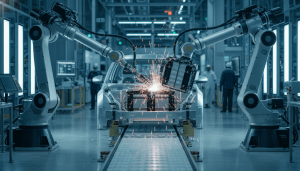
The narrative surrounding Detroit car brands has shifted from purely manufacturing horsepower to generating computing power. General Motors, Ford, and Stellantis have all committed billions of dollars to transition their portfolios, a move that places Detroit at the center of the North American electric vehicle (EV) supply chain.
According to reports from the Michigan Economic Development Corporation (MEDC), Michigan remains the top state for automotive manufacturing, but the composition of that manufacturing is changing. General Motors has revitalized the Detroit-Hamtramck assembly plant into "Factory ZERO," an all-electric vehicle assembly plant that serves as the launchpad for their EV strategy. This facility is not merely a factory; it is a statement that legacy Detroit car brands intend to lead, not follow, in the green energy transition.
Similarly, Ford Motor Company has doubled down on its commitment to the city, most notably through the restoration of Michigan Central Station in Corktown. While this project is a real estate triumph, it fundamentally serves as a mobility innovation district, designed to attract tech talent that might otherwise flock to Silicon Valley. This signals a crucial shift: Detroit car brands are now competing as technology companies.
"The revitalization we are seeing isn’t just about preserving history; it’s about future-proofing our local economy," said a representative from the Detroit Regional Chamber in a recent economic outlook briefing. "When Ford or GM invests in Detroit today, they are investing in software engineers as much as they are in assembly workers."
Impact on Detroit Residents
For the average Detroiter, the high-level corporate strategies of Detroit car brands have tangible, on-the-ground consequences. The shift to EVs and autonomous technologies is altering the local job market, creating both opportunities and challenges for residents.
Workforce and Training: The demand for traditional mechanical skills is being supplemented—and in some cases replaced—by a need for digital literacy and electrical engineering skills. Local workforce development initiatives are scrambling to bridge this gap. Programs partnered with Detroit car brands are increasingly focusing on mechatronics and battery technology to ensure that Detroiters are not left behind as the industry evolves.
Neighborhood Revitalization: The investment footprint of these companies often extends into the surrounding neighborhoods. For instance, Stellantis’ expansion of the Mack Avenue Assembly Complex was the first new assembly plant in Detroit in decades. According to the City of Detroit, this project included community benefits agreements aimed at prioritizing local hiring and funding neighborhood improvements. While the relationship between corporate giants and local communities is complex, the physical presence of these facilities stabilizes the tax base and drives local commerce.
However, the transition is not without friction. Residents in areas surrounding major plants continue to advocate for strict environmental monitoring, ensuring that the manufacturing heritage of Detroit car brands does not come at the cost of air quality or public health.
Background & Data: The Economic Engine
To understand the scale of influence Detroit car brands hold, one must look at the data. The automotive industry remains the backbone of the region’s economy.
- Employment Numbers: Data from the U.S. Bureau of Labor Statistics indicates that despite diversification efforts, the automotive sector still accounts for a significant portion of Michigan’s GDP. In the Detroit metro area alone, thousands of jobs are directly tied to the Big Three, with a multiplier effect supporting thousands more in logistics, advertising, and component manufacturing.
- EV Investment: A 2024 report by the Center for Automotive Research highlighted that Detroit car brands have allocated over $50 billion toward EV development and battery manufacturing within the region over the last five years.
- Market Share battles: While facing stiff competition from international rivals and pure-play EV startups like Tesla and Rivian, Detroit brands have held their ground in key segments, particularly trucks and SUVs, which finance their transition to electric platforms.
For more insights into how these economic shifts affect local property values, read our analysis on Detroit real estate trends in 2025.
What Happens Next?
As we move further into 2025, the pressure on Detroit car brands to deliver on their electric promises will intensify. The industry is currently navigating a "hybrid" phase, balancing the profitable sales of internal combustion engine vehicles with the capital-intensive development of EVs.
For Detroit, the stakes are high. If the Big Three succeed in dominating the next era of mobility, the city stands to become a global hub for green technology. If they falter, the local economy could face significant headwinds. However, the current trajectory suggests resilience. With massive infrastructure projects underway and a renewed focus on innovation, Detroit car brands are proving that the Motor City has plenty of gas—and charge—left in the tank.
The story of Detroit is no longer just about who builds the best car; it is about how these historic brands leverage their legacy to build a sustainable future for the city.