Detroit, long hailed as the automotive capital of the world, is undergoing a profound transformation. As cities across the globe race to adopt smart infrastructure, the Motor City is pivoting to become the Mobility City. Through a combination of federal grants, public-private partnerships, and cutting-edge technology, Detroit smart mobility initiatives are beginning to reshape how residents, workers, and visitors navigate the urban landscape.
The shift is not merely about electric vehicles (EVs) or self-driving cars; it encompasses a holistic approach to traffic management, public transit accessibility, and infrastructure that talks to vehicles. With major developments centered around the Michigan Central innovation district and new Department of Transportation (DOT) funding, Detroit is positioning itself as a living laboratory for the future of transportation.
The Tech Behind the Transformation
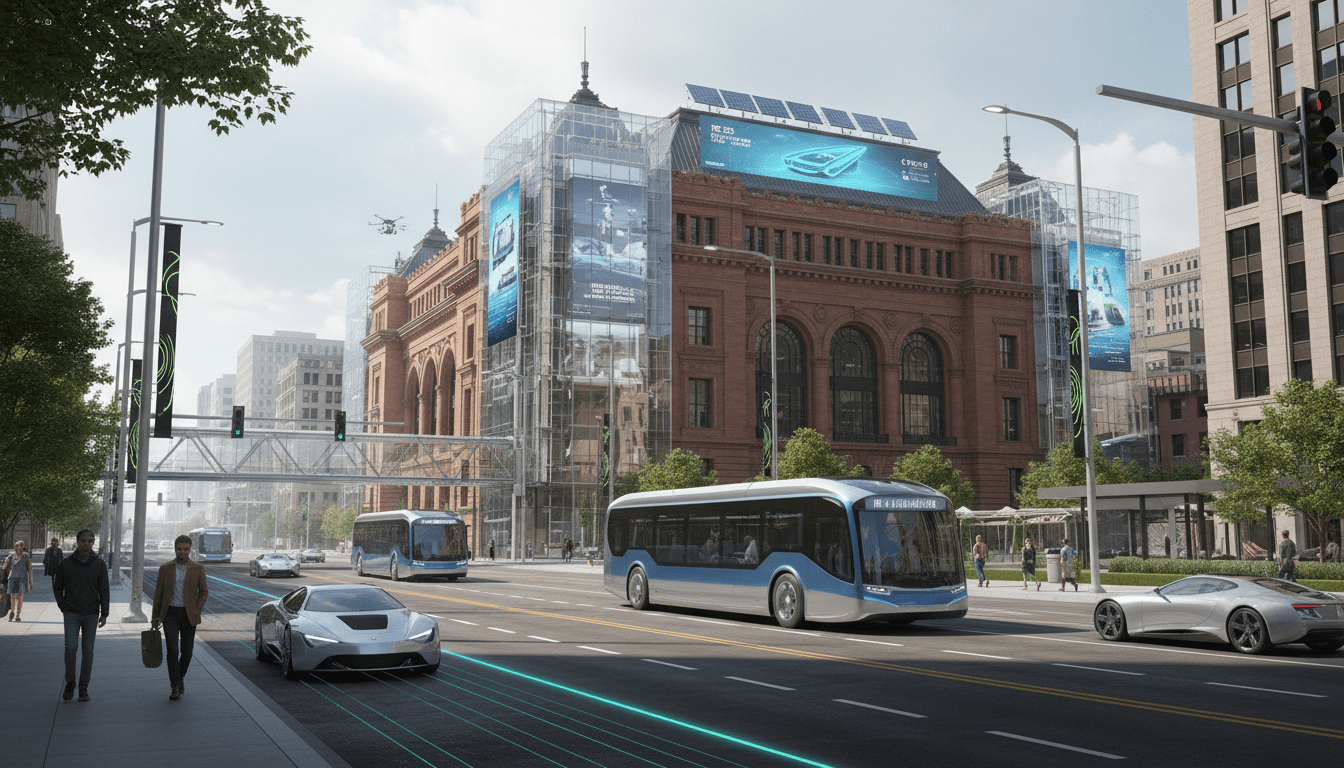
At the heart of this evolution is the implementation of intelligent transportation systems (ITS). According to the City of Detroit’s Department of Public Works, recent upgrades to traffic signals are moving beyond simple timers. New adaptive signal technology utilizes real-time data to adjust light cycles based on current traffic flow, aiming to reduce congestion during rush hours and decrease idling times.
Furthermore, Detroit has become a testing ground for wireless electric vehicle charging. In a pilot project that garnered national attention, a segment of 14th Street near the Michigan Central district was equipped with inductive charging coils. This technology allows equipped EVs to charge while driving or idling over the pavement. While currently a pilot, this infrastructure signals a potential future where range anxiety is mitigated by the road itself.
“The goal is to create a seamless ecosystem where infrastructure supports the vehicle, rather than just tolerating it,” said a spokesperson for the city’s mobility innovation team during a recent press briefing. “We are using data to make streets safer and more efficient for everyone, whether they are driving, walking, or taking the bus.”
Michigan Central: A Hub for Innovation
No discussion of Detroit smart mobility is complete without addressing the massive redevelopment at Michigan Central. Ford Motor Company’s restoration of the historic train station is more than a real estate project; it is the anchor of a 30-acre mobility innovation district. Here, startups and established tech giants collaborate on solving urban transportation challenges.
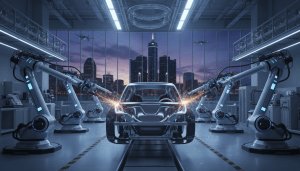
This district serves as a real-world testing environment. By concentrating technology firms in Corktown, the city hopes to accelerate the development of automated driving systems and drone logistics. For the local economy, this means a shift in the types of jobs available, moving from traditional assembly lines to software engineering and systems management.
Readers interested in the economic ripple effects of these developments can read more in our coverage of Detroit’s evolving business landscape.
Impact on Detroit Residents
While high-tech corridors and wireless charging roads capture headlines, the primary metric of success for city officials is the impact on everyday residents. For decades, Detroit has struggled with a fragmented public transit system and high insurance rates. Smart city technologies aim to address these disparities by improving the reliability of the Detroit Department of Transportation (DDOT) and SMART bus systems.
New mobility apps and integrated payment systems are streamlining the transit experience, allowing riders to plan trips across different modes of transport seamlessly. Additionally, the deployment of smart sensors at intersections is intended to improve pedestrian safety—a critical issue in a city with high rates of pedestrian fatalities.
Local community leaders have expressed cautious optimism. “Technology is great, but it has to work for the grandmother needing to get to the grocery store, not just the tech worker in Corktown,” said a representative from a local neighborhood association. “If smart signals help buses run on time and keep crosswalks safe, then it is a win for the neighborhoods.”
Data and Privacy Considerations
The backbone of a smart city is data. Cameras, LiDAR sensors, and connected vehicles generate terabytes of information daily. According to a report by the U.S. Department of Transportation, leveraging this data effectively requires robust privacy frameworks. Detroit officials have emphasized that data collected is anonymized and used strictly for traffic management and urban planning purposes.
Transparency remains key. As the city installs more sensors, maintaining public trust involves clear communication about what data is being collected and how it is being used to improve services.
Looking Ahead: The Road to 2030
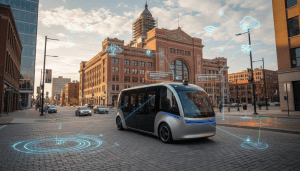
The trajectory for Detroit smart mobility suggests a continued integration of autonomous technologies. The city has already seen deployments of autonomous shuttles in specific zones, providing first-mile/last-mile solutions for seniors and people with disabilities. As regulations evolve, these services are expected to expand.
Moreover, the influx of federal infrastructure funding is likely to accelerate the repair and digitization of Detroit’s roads. The vision is a connected grid where traffic lights warn cars of approaching emergency vehicles, and streetlights dim or brighten based on pedestrian activity to save energy while ensuring safety.
For more on how infrastructure projects are influencing local property values, check out our analysis on Detroit real estate trends.
Detroit’s journey from the birthplace of the Model T to a hub of 21st-century mobility is complex and ongoing. By balancing high-tech innovation with the practical needs of its residents, the city aims to set a global standard for what a smart transportation network can achieve.