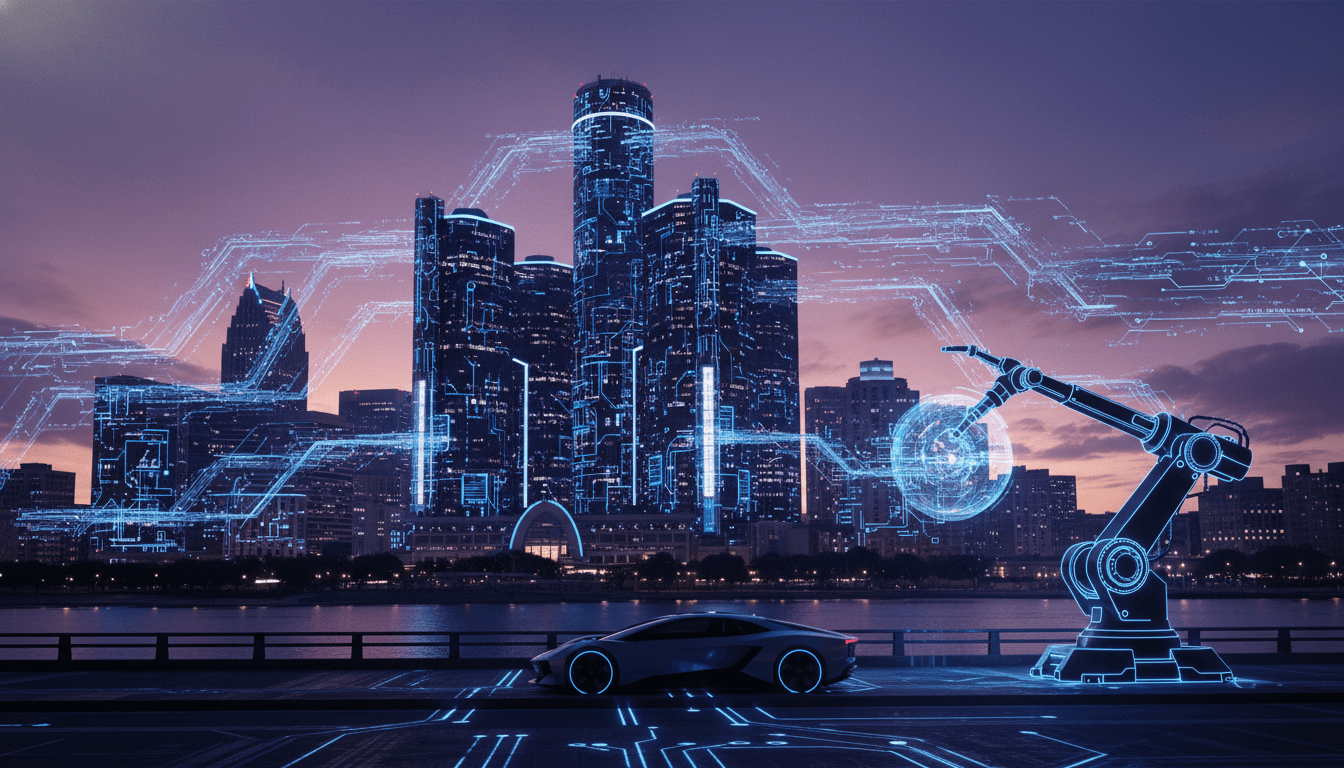
Detroit, long recognized globally as the cradle of the automotive industry, is undergoing a profound digital transformation. While the roar of the internal combustion engine defined the 20th century for the city, the 21st century is increasingly being defined by silent algorithms and machine learning. Detroit AI innovation has moved beyond theoretical discussions and is now actively reshaping how the city works, drives, and heals.
In recent years, the convergence of heavy manufacturing and high-tech software has positioned Southeast Michigan as a unique hub for “industrial AI.” Unlike the consumer-focused software of Silicon Valley, Detroit’s tech scene is deeply rooted in physical reality—using artificial intelligence to optimize assembly lines, manage complex logistics at the border, and pioneer autonomous mobility.
According to data from the Michigan Economic Development Corporation (MEDC), the state has seen a significant surge in tech-related jobs, with Detroit anchoring a growing ecosystem of startups and innovation centers. This shift is not just about self-driving cars; it encompasses a broad spectrum of applications including healthcare diagnostics, smart city infrastructure, and workforce development.
The Evolution of Auto: AI Behind the Wheel and on the Line
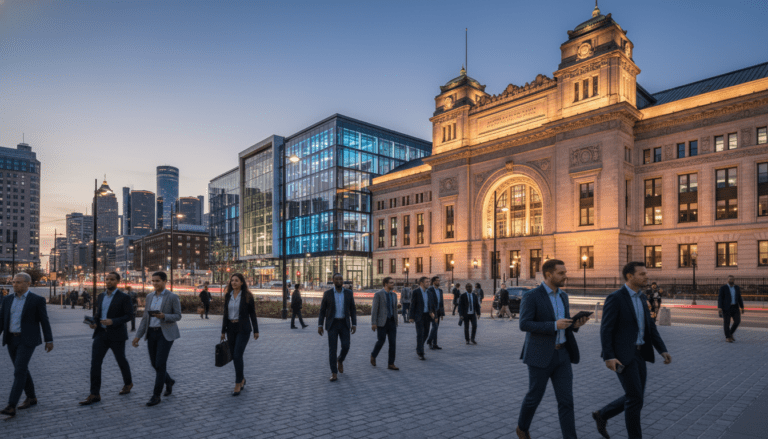
The most visible application of artificial intelligence in the region remains within the automotive sector. However, the scope has widened significantly. Ford and General Motors are no longer just manufacturing companies; they are evolving into mobility tech firms. This transition is evident in the development of the Michigan Central innovation district in Corktown.
The facility is designed to bring together startups and established giants to solve mobility challenges using AI. Technologies being tested include computer vision systems that allow vehicles to “see” pedestrians in low-visibility conditions and machine learning algorithms that predict traffic patterns to reduce congestion.
“The integration of AI into manufacturing processes is saving millions in efficiency,” noted a recent industry analysis. Inside the factories, AI-driven predictive maintenance monitors the health of robotic arms and assembly belts, alerting engineers to potential failures before they stop production. This application of Detroit AI innovation ensures that the region remains competitive in a global market where efficiency is paramount.
Beyond Cars: Healthcare and Smart City Tech
While automotive dominates the headlines, Detroit’s medical institutions are quietly becoming leaders in AI application. Henry Ford Health and local university research centers are utilizing machine learning to analyze medical imaging with greater accuracy than the human eye. These tools assist radiologists in detecting early signs of cancer and cardiovascular disease, directly impacting patient outcomes in the city.
Furthermore, the City of Detroit has integrated AI into municipal management. From intelligent traffic signals that adapt to flow in real-time to data analysis used for allocating city resources, the administration is leveraging data to improve services. However, this has not been without controversy. The use of facial recognition technology in connection with Project Green Light has sparked intense debate regarding privacy and civil liberties, highlighting the complex relationship between technological advancement and social responsibility.
For more on how local businesses are adapting to these changes, read our coverage on Detroit’s evolving automotive landscape and the companies leading the charge.
Impact on Detroit Residents
For the average Detroiter, the rise of AI brings both promise and anxiety. The most immediate impact is on the job market. As automation becomes more sophisticated, the fear of displacement is palpable among the manufacturing workforce. However, the shift is also creating a demand for a new kind of laborer—one skilled in robotics maintenance, data literacy, and systems management.
Local organizations are racing to bridge the skills gap. Initiatives focused on STEM education in Detroit Public Schools and adult retraining programs are critical to ensuring that the economic benefits of the tech boom are shared equitably. The goal is to prevent a “digital divide” where high-paying tech jobs are filled by imported talent while locals are left behind.
“We are seeing a pivotal moment where the blue-collar work ethic meets white-collar coding skills,” said a representative from a local workforce development non-profit. “The future Detroit worker needs to be comfortable working alongside smart machines.”
The Role of Startups and Incubators
It is not just the “Big Three” driving this change. Detroit is seeing a proliferation of AI-focused startups. TechTown Detroit and other incubators are supporting entrepreneurs who are applying AI to diverse fields such as FinTech, urban farming, and logistics. Because Detroit is a major logistics hub with the Ambassador Bridge, AI is being used to streamline supply chains, predict border wait times, and optimize trucking routes.
These smaller, agile companies are vital for the ecosystem, providing innovation that larger corporations often acquire or license. They also contribute to the vibrancy of neighborhoods like Midtown and Downtown, attracting a younger demographic of tech workers to the city.
Future Outlook: A Hub for Industrial AI
Looking ahead, Detroit is well-positioned to become the global capital for Industrial AI. The workforce development programs currently underway will play a crucial role in determining whether the city can supply the talent needed to sustain this growth.
The World Economic Forum has recognized the region’s potential, citing Michigan’s concentration of engineering talent. As AI moves from the digital cloud to the physical world—into cars, power grids, and hospitals—Detroit’s expertise in building real, complex systems gives it a competitive edge over purely digital hubs like San Francisco.
The narrative of Detroit is changing. It is no longer just about horsepower; it is about computing power. As Detroit AI innovation continues to mature, it offers a path toward a diversified, resilient economy that honors the city’s manufacturing roots while embracing a high-tech future.