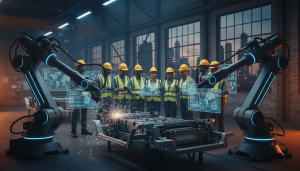
Detroit, long recognized globally as the center of the automotive world, is quietly undergoing a digital metamorphosis. While the assembly lines of the 20th century built the city’s foundation, the 21st century is seeing a shift toward software, logistics, and advanced cryptography. Specifically, Detroit blockchain development is emerging as a critical component of the region’s broader strategy to reinvent itself as a Midwest technology hub.
No longer confined to the volatile world of cryptocurrency trading, blockchain technology in Detroit is finding practical, industrial applications. From securing automotive supply chains to modernizing municipal record-keeping, local startups and established corporations are leveraging distributed ledger technology (DLT) to solve complex problems. As the city attracts more tech talent and venture capital, the integration of blockchain solutions is becoming a pivotal chapter in Detroit’s economic narrative.
The Intersection of Automotive and Blockchain
The most significant driver of Detroit blockchain development is, unsurprising, the automotive industry. Modern vehicles are essentially data centers on wheels, and securing the data they transmit is a priority for manufacturers. According to the Mobility Open Blockchain Initiative (MOBI), a consortium that includes major Detroit automakers, blockchain provides the necessary infrastructure for secure Vehicle-to-Everything (V2X) communication.
Local industry analysts point out that the complexity of automotive supply chains makes them an ideal candidate for blockchain integration. By using immutable ledgers, manufacturers can track parts from the raw material stage to the final assembly with unprecedented transparency. “We are seeing a shift where Detroit is not just building cars, but building the digital infrastructure that allows those cars to operate autonomously and securely,” noted a representative from a local tech incubator during a recent industry roundtable.
This industrial focus sets Detroit apart from other tech hubs like Miami or San Francisco, which often focus heavily on consumer-facing crypto finance applications. In contrast, Detroit’s blockchain sector is decidedly B2B (business-to-business), focusing on logistics, identity verification, and manufacturing efficiency.
Impact on Detroit Residents and the Local Economy
For the average Detroit resident, the rise of a high-tech sector offers both opportunities and challenges. The immediate impact is the creation of high-skill employment opportunities. As Detroit’s job market evolves, there is a growing demand for developers, data scientists, and cybersecurity experts capable of building and maintaining blockchain systems.
However, the benefits extend beyond just tech jobs. A robust tech ecosystem drives demand for local services, real estate, and hospitality. Furthermore, civic tech initiatives are exploring how blockchain could be used to manage property deeds and land titles, potentially addressing long-standing issues with record accuracy in the city. By creating a transparent, immutable record of property ownership, the city could streamline the fight against blight and simplify the home-buying process for residents.
“The potential for blockchain to restore trust in public records is immense,” explains a local urban planning researcher. “If residents can verify property history on a public ledger without bureaucratic friction, it empowers neighborhoods and accelerates revitalization efforts.”
The Role of Incubators and Education
The growth of Detroit blockchain development is being nurtured by a supportive network of incubators and educational institutions. TechTown Detroit and the newly renovated Michigan Central Station are becoming ground zero for mobility-focused startups, many of which utilize blockchain for security and payment layers in transportation networks.
Data from the Michigan Economic Development Corporation (MEDC) suggests that the state is actively investing in digital upskilling. Universities such as Wayne State and the University of Michigan are expanding their computer science curricula to include coursework on cryptography and distributed systems, ensuring a steady pipeline of local talent to fuel this growing sector.
Moreover, local meetups and coding boot camps are democratizing access to this knowledge, helping to ensure that the economic benefits of the tech boom are accessible to long-time Detroiters, not just imported talent. This focus on inclusive growth is vital for a city that has historically struggled with economic disparity.
Challenges and Future Outlook
Despite the optimism, challenges remain. Regulatory uncertainty at the federal level regarding digital assets can create hesitation for smaller startups. Additionally, while Detroit is more affordable than coastal tech hubs, retaining top-tier talent requires continuing to improve city services and lifestyle amenities, a topic frequently covered in our local living section.
Looking ahead, the convergence of AI, IoT (Internet of Things), and blockchain is expected to accelerate. As Detroit solidifies its reputation as a leader in mobility innovation, the underlying blockchain infrastructure will likely become invisible but essential—powering everything from electric vehicle charging payments to autonomous freight logistics.
The narrative of Detroit is changing. It is no longer just the Motor City; it is becoming a node in the global digital economy. With a focus on practical, industrial applications, Detroit blockchain development is poised to be a durable engine of growth for the region.