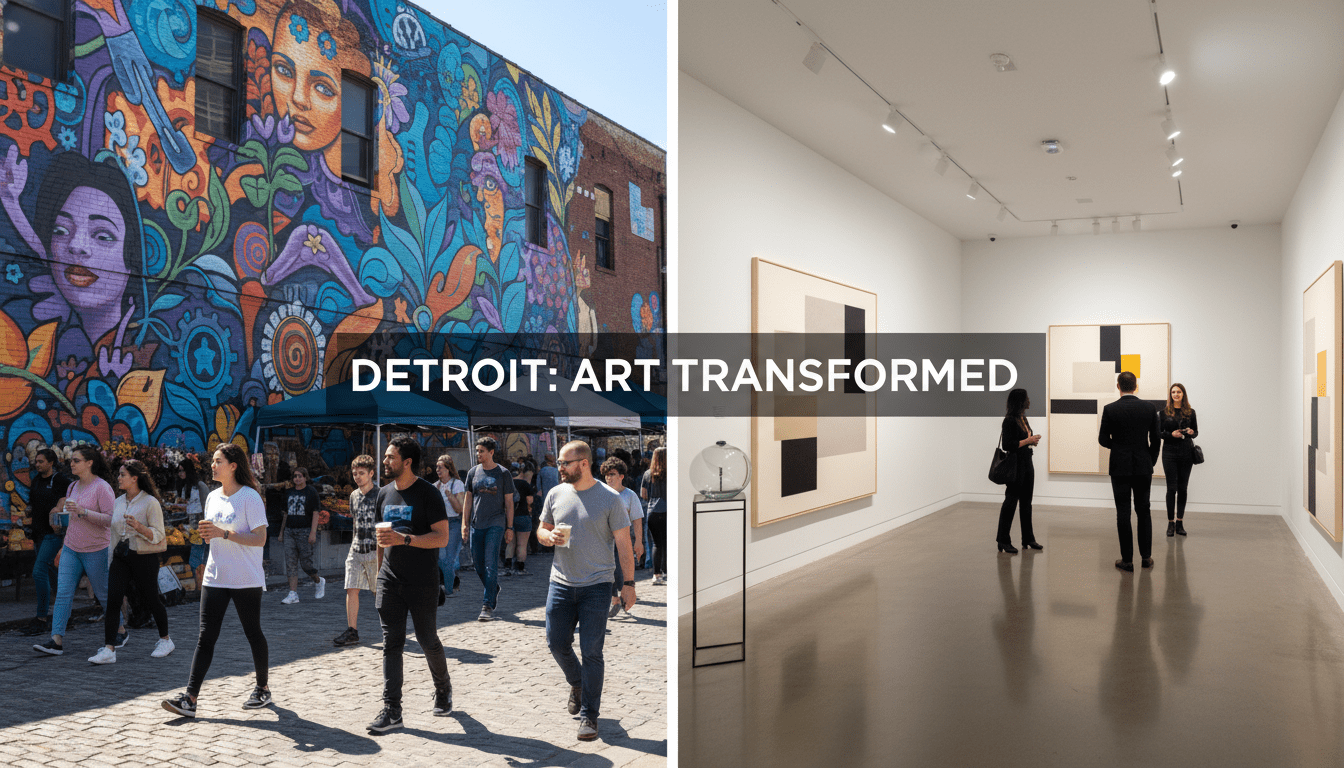
The Detroit art scene is currently undergoing a significant transformation, evolving from a hidden gem known primarily to locals and industry insiders into a globally recognized cultural powerhouse. As the city continues its broader economic revitalization, the arts sector has emerged as a critical driver of community engagement, tourism, and neighborhood identity.
From the historic halls of the Detroit Institute of Arts (DIA) to the vibrant, sprawling murals of Eastern Market, the integration of visual arts into the city’s infrastructure is reshaping how residents and visitors experience Detroit. This growth is not merely aesthetic; it represents a calculated shift in the city’s development strategy, placing creativity at the center of urban planning.
A Renaissance in Midtown and Beyond
While the Detroit Institute of Arts remains the anchor of the city’s cultural district, smaller independent galleries and contemporary spaces are proliferating in Midtown and the surrounding areas. The Museum of Contemporary Art Detroit (MOCAD) continues to challenge conventions with exhibitions that draw international attention, but it is the grassroots movement that is currently defining the Detroit art scene.
According to data from local cultural advocacy groups, the number of independent art spaces in the greater downtown area has steadily increased over the last five years. These spaces are often adaptive reuse projects, turning former industrial warehouses and commercial storefronts into studios and exhibition halls. This trend is particularly visible in neighborhoods like Corktown and Southwest Detroit, where the intersection of heritage and modern creativity creates a unique visual language.
“The energy in the city is palpable right now,” said a representative from a Midtown-based arts collective. “We are seeing more collaboration between established institutions and emerging local artists than ever before. It is creating an ecosystem that supports careers, not just hobbies.”
Impact on Detroit Residents
For local residents, the expanding Detroit art scene offers more than just weekend entertainment; it fosters a tangible sense of pride and place. The proliferation of public art, specifically the “Murals in the Market” festival and subsequent projects, has turned the Eastern Market district into a walkable open-air museum. These initiatives improve walkability and perceived safety, encouraging foot traffic that benefits small businesses.
Furthermore, educational programs funded by organizations like the Kresge Foundation have ensured that the arts remain accessible. Many galleries now offer free admission days or community workshops, ensuring that the revitalization of the Detroit neighborhoods includes the people who have lived there for decades.
Residents in areas with high concentrations of public art report a stronger connection to their community. The visual storytelling often reflects the history and resilience of Detroiters, serving as a mirror to the city’s complex past while projecting a hopeful future. This cultural accessibility is vital for bridging the gap between the city’s rapid development and its long-standing population.
Economic Data and Cultural Investment
The economics behind the Detroit art scene reveal a sector that is punching above its weight. Detroit was the first U.S. city to be designated a “City of Design” by UNESCO, a title that has helped attract international investment and tourism. According to reports on the creative economy, the arts and culture sector contributes significantly to the region’s GDP, attracting millions of visitors annually.
Investments are not just coming from private collectors. The Kresge Arts in Detroit program has awarded millions in no-strings-attached fellowships to local artists over the years, stabilizing the creative workforce. Additionally, the City of Detroit’s planning department has increasingly incorporated art into public space ordinances, recognizing that cultural assets drive property values and commercial interest.
“When you look at the data, the arts are a legitimate economic engine,” noted an analyst specializing in urban development. “Cities with thriving art scenes retain talent at higher rates. For Detroit, retaining young creatives is essential for long-term demographic stability.”
The Role of Street Art and Murals
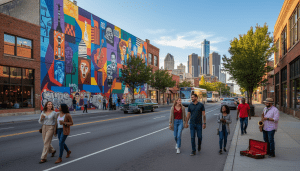
While galleries provide the prestige, street art provides the pulse. The Detroit art scene is perhaps most visible in its murals. Unlike many other major cities where graffiti is aggressively scrubbed, Detroit has embraced high-quality street art as a legitimate form of beautification. This acceptance has drawn artists from around the world to leave their mark on the city’s walls.
However, this has also sparked conversations regarding gentrification. As art districts become trendy, property values rise, leading to concerns about displacement. Community leaders are actively working to ensure that the Detroit Local Living & Info channels remain open to discussing how to balance cultural growth with housing affordability. The goal is to avoid the “SoHo effect,” where the artists who made the neighborhood desirable are eventually priced out.
What Happens Next for the Creative Sector
Looking ahead to 2025, the trajectory for the Detroit art scene is one of continued expansion and institutional maturity. New developments in the New Center area and along the riverfront are expected to include dedicated cultural spaces. The integration of art into the planned expansions of the Detroit Riverwalk will likely serve as a new major attraction for the city.
Furthermore, the dialogue between technology and art is growing. Local tech startups are beginning to partner with digital artists for immersive installations, hinting at a future where Detroit is known not just for manufacturing, but for digital creativity. As the city prepares for a busy summer season, the galleries, museums, and street corners stand ready to showcase a city that has mastered the art of reinvention.