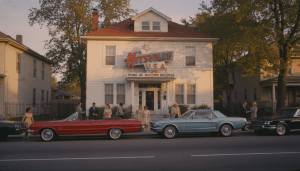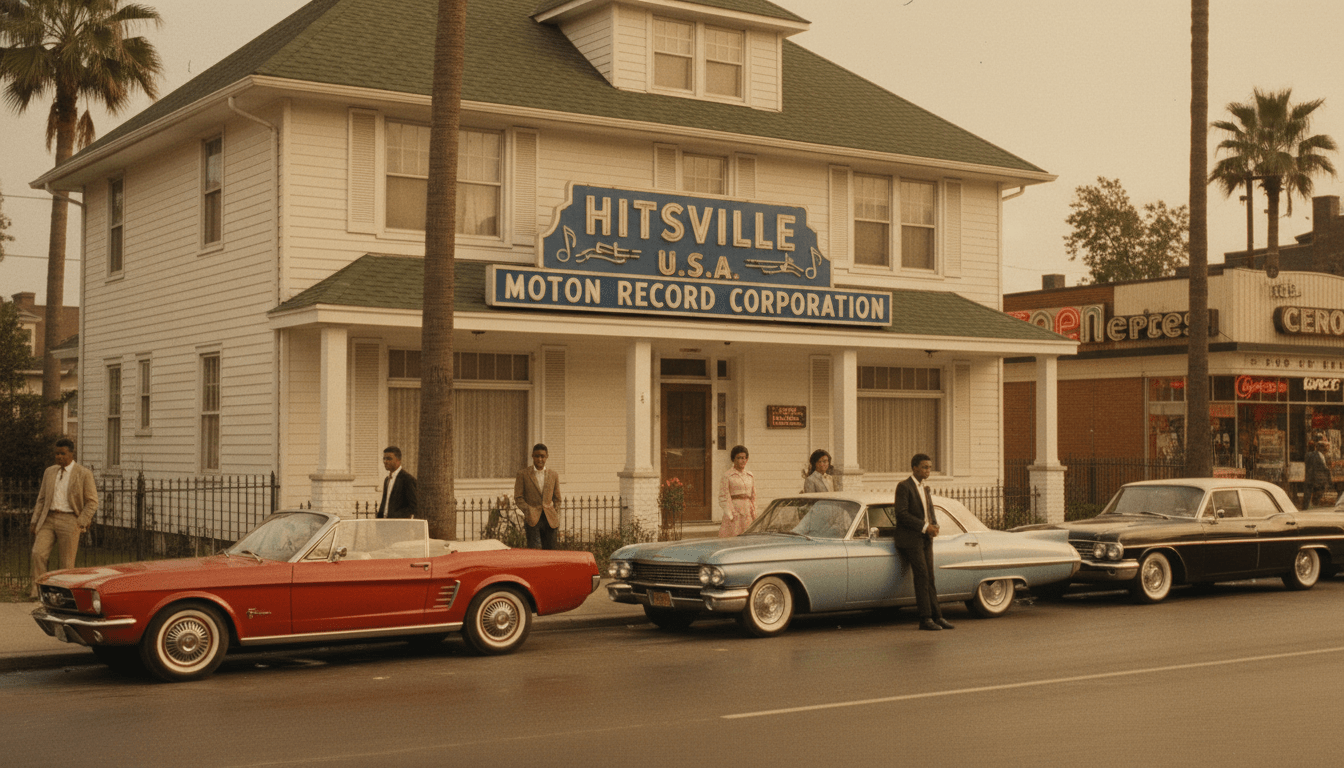
More than six decades after Berry Gordy Jr. secured an $800 loan from his family to launch Tamla Records, the legacy of what became Motown Records remains one of Detroit’s most significant cultural exports. While the company officially moved its headquarters to Los Angeles in 1972, Motown history is indelibly stamped on the streets of Detroit, particularly along West Grand Boulevard where the famous "Hitsville U.S.A." sign still stands.
The story of Motown is not merely a chapter in music textbooks; it is a living narrative that continues to drive tourism, define local culture, and inspire new generations of Detroit artists. As the city undergoes rapid redevelopment, the preservation of this musical heritage has become a focal point for community leaders and historians alike.
The Rise of Hitsville U.S.A.
Founded in 1959, Motown Records introduced a sound that bridged racial divides during the height of the Civil Rights movement. Gordy, inspired by his time working on the assembly line at Lincoln-Mercury, applied similar principles of quality control and production efficiency to the creation of music. This approach turned a small house in Detroit into a global hit-making factory.
According to the Motown Museum, the label produced hundreds of Top 40 hits between 1961 and 1971. Artists like The Supremes, The Temptations, Stevie Wonder, and Marvin Gaye honed their craft in the cramped Studio A, creating a distinctive "Motown Sound" characterized by prominent basslines, call-and-response vocals, and sophisticated orchestration.
"The magic that happened in that house wasn’t just about music; it was about ambition," said local music historian Dr. Arlene Robinson. "It showed that Black entrepreneurship in Detroit could reach a global audience, changing the perception of the city forever."
Impact on Detroit Residents
For locals, Motown history is a source of profound pride and economic activity. The Motown Museum, located at the original site of Hitsville U.S.A., draws tens of thousands of visitors annually from around the world, contributing significantly to the local economy in the New Center area.
The ongoing preservation of this history affects Detroiters by reinforcing the city’s status as a cultural capital. It serves as a reminder of Detroit’s creative resilience. Many local youth programs and music initiatives cite the Motown legacy as a foundational pillar for their curriculum, teaching students that their city has always been a place of innovation.
Furthermore, the museum’s presence has spurred surrounding development, stabilizing property values and encouraging new businesses to open nearby to cater to tourists. Residents often view the site as community ground—a place where the city’s past success is tangible.
Background & Data: The Expansion of a Legacy
While the history is settled, the infrastructure surrounding it is growing. The Motown Museum has been in the midst of a massive $65 million expansion campaign. This project aims to transform the historic site into a 50,000-square-foot world-class entertainment and education destination.
Data from the Detroit Metro Convention & Visitors Bureau suggests that cultural tourism is a leading driver for the region’s visitor numbers. The expanded campus is expected to house interactive exhibits, a performance theater, and recording studios, effectively bridging the gap between historical preservation and contemporary artistic development.
Despite the label’s departure five decades ago, the intellectual property and cultural weight of the brand remain tied to Detroit. The city officially recognized this enduring bond by renaming a stretch of the roadway "Berry Gordy Jr. Boulevard," cementing the relationship between the municipality and the music mogul.
What Happens Next
As the expansion project nears completion, city officials anticipate a surge in international interest. The revitalized district is expected to serve as a hub for the next generation of creatives, offering spaces for recording and performance that were previously unavailable.
For Detroit residents, the challenge remains ensuring that this history is not just a tourist attraction but a functional part of the community. Stakeholders are focused on making sure the educational programs promised in the expansion reach underserved neighborhoods, keeping the spirit of Motown—opportunity and excellence—alive for the future.