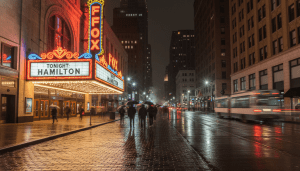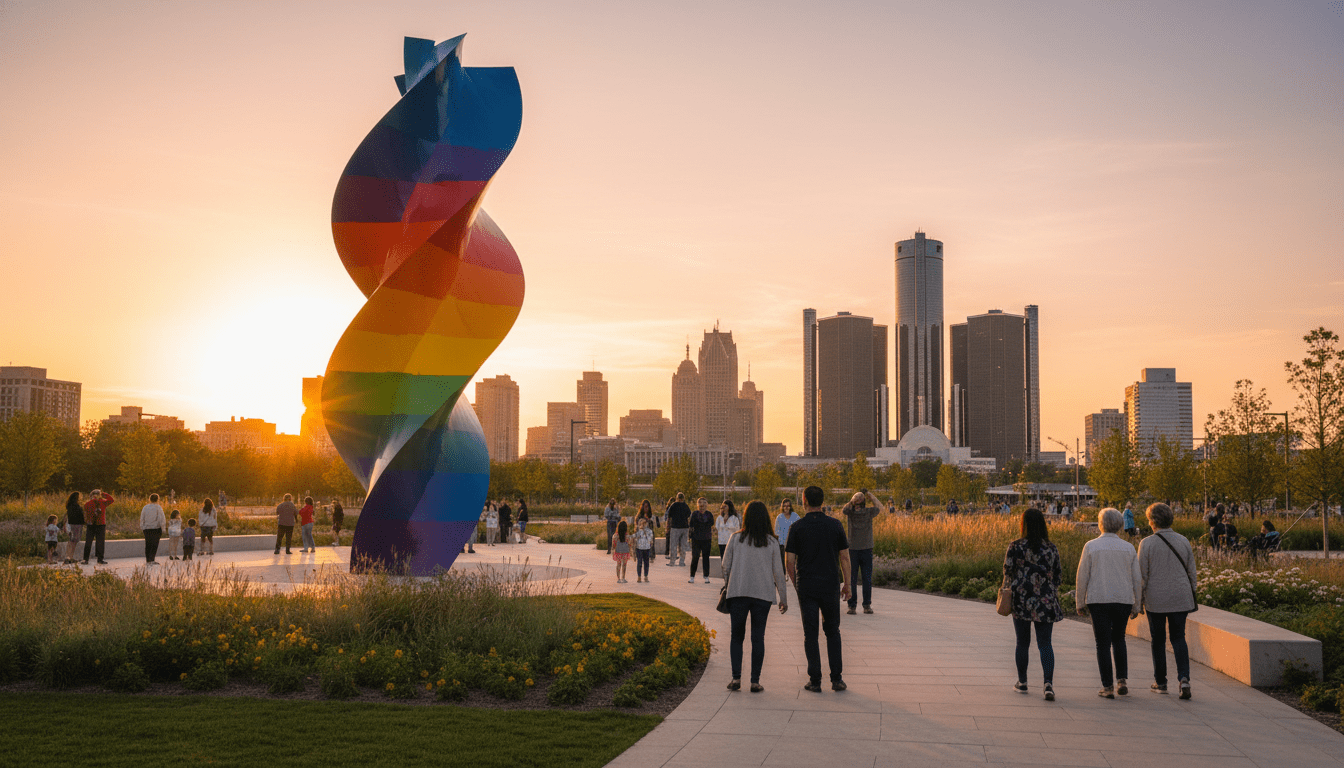
Detroit’s visual narrative is undergoing a profound transformation. While the city has long been celebrated for its murals and the iconic Heidelberg Project, a new wave of ambitious Detroit art installations is redefining the urban landscape. From the revitalized grounds of Michigan Central to the alleyways of downtown, public art is shifting from a background aesthetic to a central pillar of the city’s economic and cultural development strategy.
This surge in public art is not accidental. It represents a coordinated effort between the City of Detroit, private developers, and philanthropic organizations to leverage creativity as a tool for placemaking. According to recent reports from the City of Detroit’s Office of Arts, Culture, and Entrepreneurship (Detroit ACE), investment in public art has increased significantly over the last five years, aiming to solidify Detroit’s status as a global design capital.
A Strategic Shift in Urban Planning
For decades, Detroit’s art scene was defined largely by grassroots efforts and graffiti culture—expressions of resilience in the face of austerity. Today, however, art is being integrated into the very infrastructure of the city. The Detroit City government, specifically through the Detroit ACE initiative, has prioritized the commissioning of works that reflect the city’s diverse history while signaling its future ambitions.
“Public art is no longer an afterthought in Detroit; it is a requirement for a thriving civic life,” stated a spokesperson for Detroit ACE during a recent press briefing. “We are seeing art installations that function as gathering spaces, conversation starters, and drivers of foot traffic for local businesses.”
One of the most visible examples of this trend is the curation of art surrounding the newly restored Michigan Central Station. The district has become a canvas for large-scale sculptural works and immersive light installations, drawing visitors from across the region. Unlike traditional gallery spaces, these Detroit art installations are accessible to everyone, 24 hours a day, democratizing access to high culture.
Beyond Murals: Sculptural and Immersive Works
While Detroit’s murals remain a staple of the city’s aesthetic, the scope of public art is expanding into three-dimensional and technological realms. Recent installations have utilized neon, steel, and interactive projection mapping to engage viewers in new ways.
The “The Belt” alleyway in downtown Detroit serves as a prime case study. Once a nondescript service alley, it has been transformed by Bedrock and the Library Street Collective into a vibrant cultural hub featuring rotating installations by international and local artists. This type of activation turns underutilized urban spaces into destinations, effectively expanding the walkable footprint of the downtown area.
Furthermore, neighborhood-centric projects are ensuring that this artistic renaissance is not confined to the central business district. The Kresge Foundation and other philanthropic partners have funneled millions into neighborhood arts grants. These funds support installations that reflect specific community identities, ensuring that the art remains relevant to the residents who live alongside it.
Impact on Detroit Residents and Economy
The economic implications of these installations are tangible. Data from urban planning studies suggests that areas with high concentrations of public art see increased property values and higher retention rates for small businesses. For Detroit Local Living & Info, the integration of art into neighborhoods creates a sense of place and pride that is essential for community stability.
Local business owners are feeling the difference. “When they put the new sculpture up in the park across the street, we saw foot traffic increase by about 20% within the first month,” said a coffee shop owner in the West Village neighborhood. “People come to see the art, take photos, and then they stay for a coffee or a meal. It turns a quick drive-by into a lingering visit.”
However, the push for large-scale art is not without its critics. Some residents have raised concerns about gentrification, fearing that high-profile art installations are precursors to rising rents. To combat this, the city has implemented requirements for community engagement sessions prior to the approval of major public works, ensuring that the art reflects the desires of long-term residents rather than just appealing to tourists.
Preserving History While Building the Future
A critical component of the current strategy involves honoring Detroit’s history. New Detroit art installations often pay homage to the city’s industrial past or its musical heritage. For instance, several recent sculptures incorporate reclaimed automotive steel, bridging the gap between the Motor City’s manufacturing legacy and its artistic present.
The Detroit Institute of Arts (DIA) has also played a pivotal role, expanding its “Inside|Out” program which brings high-quality reproductions of museum masterpieces into outdoor spaces across the metro area. According to the Detroit Institute of Arts, this program has successfully broken down barriers to museum attendance, making art a part of daily life for residents who might not otherwise visit the cultural center.
What Happens Next?
Looking ahead to 2025 and beyond, the trajectory for public art in Detroit remains upward. The city is preparing to host several major design conferences, and there are calls for proposals for permanent installations along the expanding Joe Louis Greenway. This 27.5-mile recreational loop is expected to become one of the most art-dense corridors in the country, linking diverse neighborhoods through a shared visual language.
As Detroit continues its recovery and redevelopment, the role of artists remains central. They are not merely decorators; they are urban planners, historians, and economists. The proliferation of Detroit art installations serves as a visible metric of the city’s health, proving that Detroit is investing in its soul just as heavily as it invests in its structures.