As the promotional banners of Black History Month are folded away, economic leaders and community advocates in Detroit are renewing calls for a shift in consumer behavior—moving from seasonal acknowledgment to sustained, year-round economic engagement. For a city where census data indicates a population that is nearly 78% Black, the vitality of Black-owned businesses in Detroit is not merely a social cause; it is a fundamental pillar of the regional economy.
While February often sees a spike in patronage for minority-owned enterprises, local business alliances report that revenue frequently dips in subsequent months. This cyclical volatility poses significant challenges for entrepreneurs trying to scale operations, hire local staff, and invest in infrastructure. According to the Detroit Economic Growth Corporation (DEGC), small businesses remain the primary drivers of employment within the city limits, making their stability crucial for the broader financial health of Detroit.
The Economic Landscape of Black Entrepreneurship
Detroit has long been recognized as a hub for Black entrepreneurship, ranking highly among U.S. cities for the number of minority-owned businesses. However, a closer look at the data reveals a disparity in scaling and revenue generation. Reports from the Metro Detroit Black Business Alliance (MDBBA) suggest that while the sheer volume of businesses is high, many face systemic barriers to capital and commercial real estate ownership that limit their growth potential.
Local economists point out that intentional spending is a corrective mechanism. When residents choose to support local economic ecosystems, the dollar circulates within the community longer. This “multiplier effect” is particularly vital in neighborhoods that have historically faced divestment. By patronizing local retailers, service providers, and tech startups year-round, consumers help bridge the gap between micro-enterprises and mid-sized companies that can offer competitive wages and benefits.
Revitalizing Neighborhood Corridors
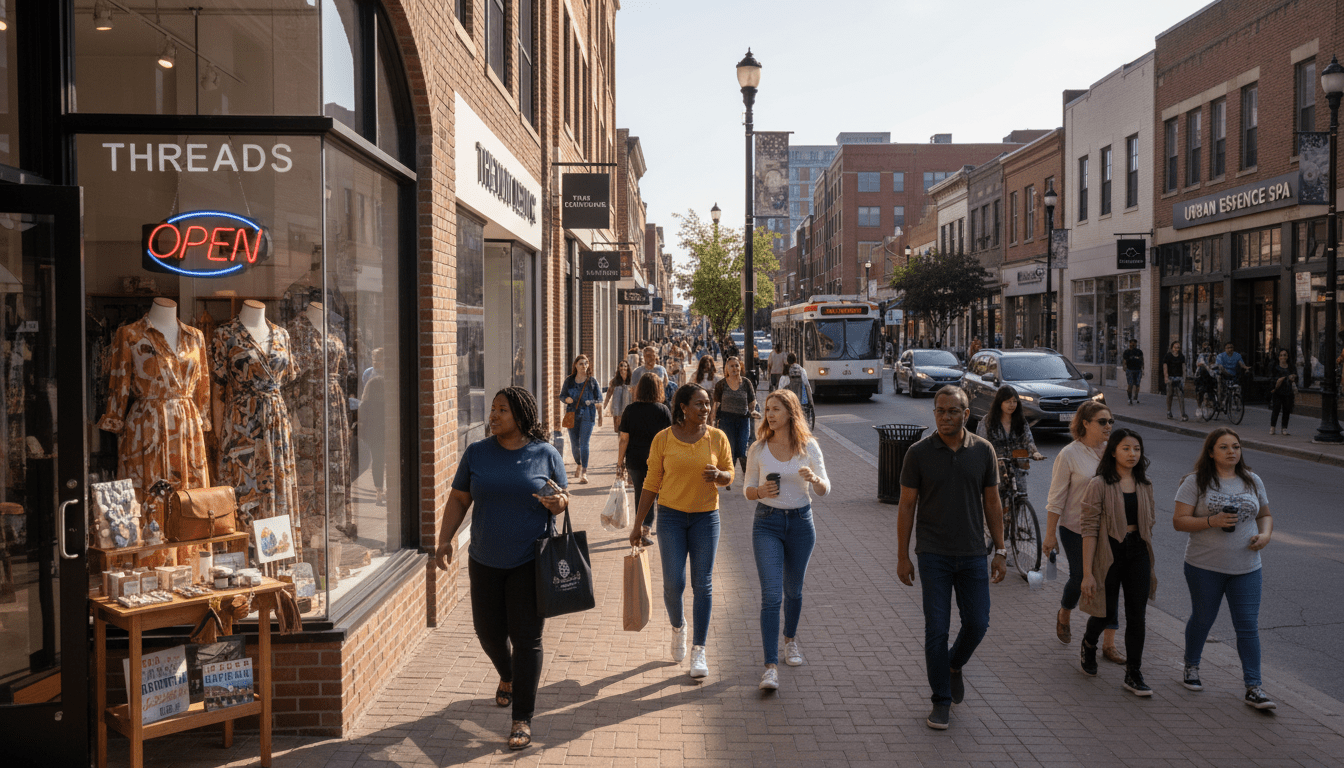
The impact of sustained support is most visible in Detroit’s commercial corridors. The Avenue of Fashion on Livernois, historically known as a premier destination for luxury and boutique shopping, has seen a resurgence driven largely by Black entrepreneurs. This district serves as a case study for how concentrated local ownership can transform a neighborhood’s identity and property values.
City planners have noted that thriving business districts create safer, more walkable neighborhoods. When storefronts are occupied by active businesses rather than sitting vacant, street-level activity increases, deterring crime and fostering a sense of community pride. Programs like Motor City Match have been instrumental in filling these gaps, but the longevity of these brick-and-mortar locations depends heavily on consistent foot traffic throughout the four seasons.
Local business owners along the Jefferson Chalmers and West McNichols corridors have echoed these sentiments, stating that while grant funding helps with opening costs, it is the repeat customer base—the Tuesday lunch crowd and the Friday evening shoppers—that determines whether a business survives the winter months.
Impact on Detroit Residents
For the average Detroiter, the success of Black-owned businesses in Detroit translates directly to community wealth building. When local businesses thrive, they are more likely to hire residents from the surrounding zip codes. This reduces commute times for workers and keeps tax revenue within the city, which in turn funds public services such as parks, transportation, and infrastructure repairs.
Furthermore, a diverse business landscape provides residents with culturally relevant goods and services. From culinary institutions preserving heritage recipes to tech firms developing solutions tailored to urban challenges, these businesses offer value that national chains often overlook. Supporting them ensures that Detroit retains its unique cultural character amidst ongoing gentrification pressures.
Access and Visibility Challenges
Despite the clear benefits, visibility remains a hurdle. Many legacy businesses rely on word-of-mouth and may lack the digital marketing budgets of larger competitors. However, organizations like BuyDetroit constitute a growing procurement portal designed to connect local buyers with suppliers.
In recent years, the push has expanded beyond retail and food. There is a growing sector of professional services—accounting, legal, and architectural firms—owned by Black Detroiters. Industry experts suggest that larger corporations and anchor institutions in the city need to scrutinize their supply chains to ensure they are contracting with these local firms. This business-to-business (B2B) support is often the missing link in creating generational wealth.
What Happens Next?
Looking ahead to the remainder of 2025, several initiatives are underway to maintain the momentum generated in February. The city continues to streamline the permitting process to make it easier for entrepreneurs to open and expand. Meanwhile, the DEGC and other stakeholders are focusing on commercial development projects that prioritize affordable commercial space, ensuring that rising rents do not displace the very businesses that helped revitalize the neighborhoods.
For residents, the call to action is simple but profound: integrate local support into daily habits. Whether it is choosing a local hardware store over a big-box retailer or hiring a neighborhood contractor for home repairs, these micro-decisions cumulatively shape the economic destiny of the city. As Detroit continues its trajectory of recovery and growth, the foundational strength of its Black-owned business community remains a critical barometer of its success.
For more information on certifying a business or finding local directories, residents can visit the official Detroit Economic Growth Corporation website.