For decades, Detroit has been defined globally by its industrial prowess and automotive heritage. However, a quiet transformation is taking place across the city’s neighborhoods—one that focuses less on horsepower and more on human power. Healthy living in Detroit is undergoing a significant renaissance, driven by an ambitious expansion of public green spaces, community-led urban agriculture, and a renewed focus on accessible wellness infrastructure.
As the city invests millions into projects like the Joe Louis Greenway and the Ralph C. Wilson Jr. Centennial Park, residents are finding new opportunities to prioritize physical and mental well-being. This shift represents more than just beautification; it is a critical public health strategy aimed at combating chronic health issues and fostering stronger community connections.
According to recent reports from the City of Detroit Health Department, access to safe outdoor spaces is a primary determinant of community health. The current infrastructure boom is not merely about recreation—it is about creating an environment where a healthy lifestyle is accessible to all Detroiters, regardless of their zip code.
The Infrastructure of Wellness: Beyond the Riverwalk
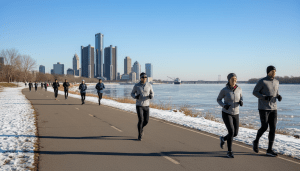
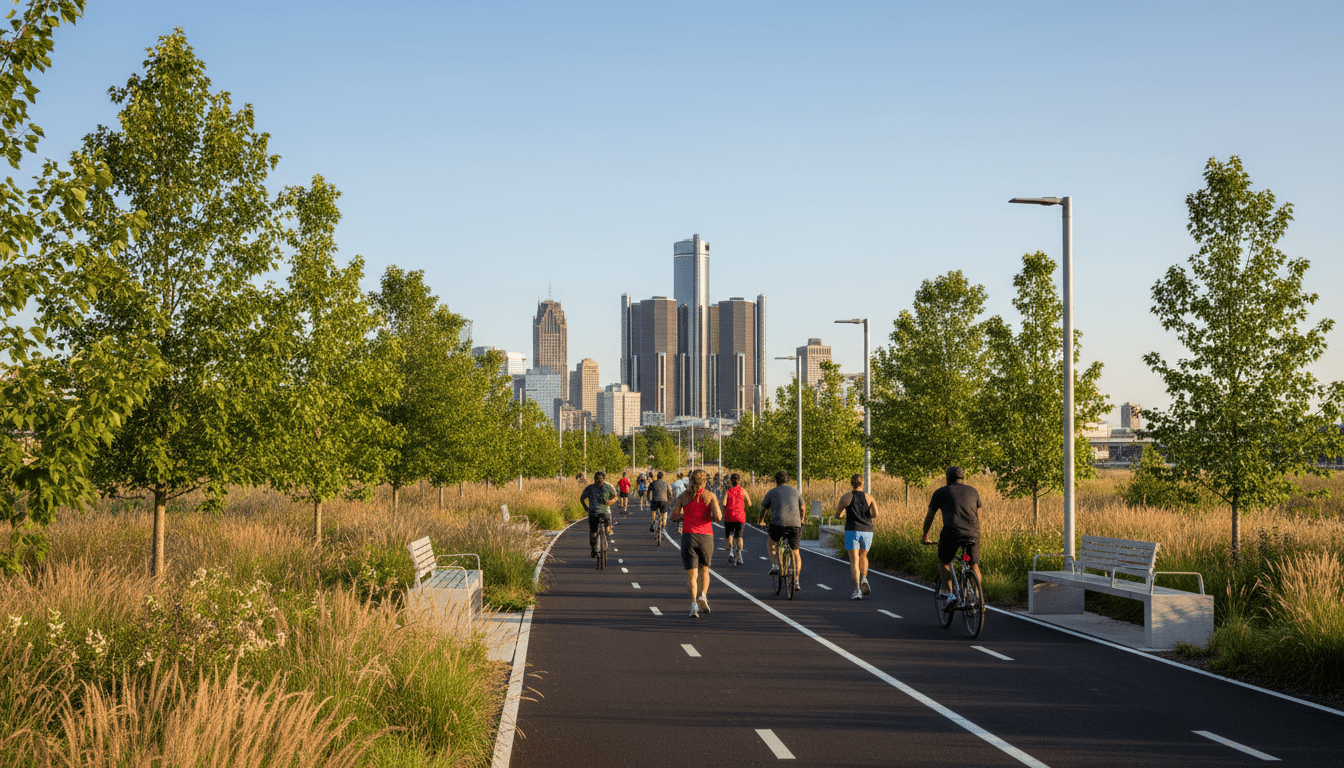
The crown jewel of Detroit’s push for a more active citizenry is undoubtedly the Joe Louis Greenway. Once completed, this 27.5-mile loop will connect 23 different neighborhoods, offering a safe, non-motorized path for runners, cyclists, and walkers. While the Detroit Riverwalk has long been a destination, the Greenway is designed to bring that same level of accessibility deep into the city’s neighborhoods.
“The connectivity is the game-changer,” says Sarah Miller, a local fitness organizer in the Midwest neighborhood. “For years, if you wanted a safe, long stretch to run or bike, you had to drive to the river or a suburban park. Now, we are seeing infrastructure that invites healthy decisions right at our doorsteps.”
City planners emphasize that this infrastructure serves a dual purpose. It encourages active transportation—reducing reliance on cars for short trips—and provides recreational space. Data from similar urban projects nationwide suggests that residents living within a mile of such greenways show a marked increase in weekly physical activity minutes.
Revitalizing Neighborhood Parks
Beyond the major headline projects, the City of Detroit has renovated over 150 neighborhood parks in recent years. This hyper-local focus ensures that healthy living in Detroit isn’t restricted to downtown. Updated playgrounds, walking loops, and outdoor fitness equipment stations are now common sights in neighborhoods from Brightmoor to Osborn.
These renovations often include programming partners. Yoga in the park, walking groups, and youth sports leagues have proliferated, utilizing these spaces to build social cohesion alongside physical fitness.
Impact on Detroit Residents
The tangible impact of these changes is beginning to reflect in the daily lives of locals. For many long-time residents, the shift provides a necessary counter-narrative to the city’s health challenges. Detroit has historically battled high rates of cardiovascular disease and diabetes. By integrating movement into the urban fabric, the city is taking a preventative approach.
“It’s about removing barriers,” explains Dr. Marcus Thorne, a public health advocate working with community groups on the East Side. “When the environment supports you—when the sidewalks are paved, the lighting is good, and there is a park nearby—people are more likely to walk. It sounds simple, but urban design is a public health intervention.”
Residents are also reporting mental health benefits. The psychological value of green space—often referred to as “biophilia”—is well-documented. In a post-pandemic world, having accessible outdoor areas for safe socialization and decompression has become a priority for Detroit families.
Local business owners are responding to this shift as well. New gyms, smoothie bars, and wellness studios are popping up along these developing corridors, creating a micro-economy centered around health. Check out our coverage on Detroit Local Living & Info for more on these emerging businesses.
Food Access and Urban Agriculture
Physical activity is only one pillar of the wellness equation. Detroit’s robust urban farming scene continues to lead the nation in addressing food security. Organizations like the Detroit Black Community Food Security Network and Keep Growing Detroit are pivotal in ensuring that healthy living in Detroit includes access to nutrient-dense, locally grown food.
The expansion of the Eastern Market district and the proliferation of smaller farm stands allow residents to bypass processed options often found in corner stores. The connection between the new greenways and these food hubs is intentional. The vision is a city where one can bike from their home to a market to buy fresh produce, creating a complete cycle of wellness.
Background & Data
The push for a healthier Detroit is backed by sobering statistics but optimistic trends. According to the State of Health reports, disparities in health outcomes between Detroit and surrounding suburbs remain stark. However, participation in city-led health programs is rising.
- Park Access: The Trust for Public Land reports that efforts are closing the “park equity gap,” aiming for every resident to live within a 10-minute walk of a park.
- Usage Rates: Early data from completed sections of the Joe Louis Greenway indicates usage rates exceeding initial projections, particularly on weekends.
- Economic Value: Studies show that for every dollar spent on trails and parks, there is a significant return on investment through healthcare cost savings and increased property values.
For more insights into how city planning affects economic and social metrics, read our analysis in Detroit Business & Startups.
What Happens Next?
The momentum for wellness infrastructure shows no signs of slowing. The city has outlined continued phases for the Greenway and further investments in recreation centers. The goal for 2025 and beyond is to weave these isolated projects into a cohesive network that defines the Detroit experience.
Challenges remain, particularly in maintaining these spaces and ensuring that the economic development associated with them does not displace the long-term residents they are meant to serve. Community engagement sessions are ongoing to ensure that the definition of “healthy living” is written by the community itself.
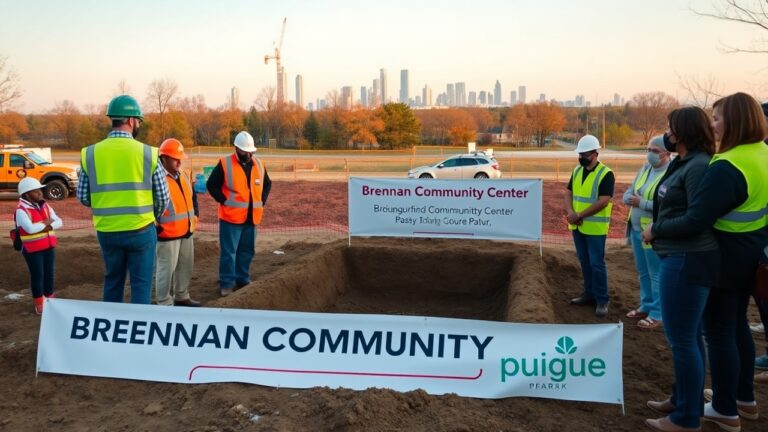
As construction crews continue to lay pavement for bike paths and clear land for community gardens, the message is clear: Detroit is building a future where health is not just a personal choice, but a civic right built into the very pavement of the city.