As temperatures in Southeast Michigan drop well below freezing, the annual challenge of maintaining physical activity levels has returned for thousands of Detroit residents. While the urge to hibernate during the darker months is a natural biological response, local health officials and city planners are emphasizing the importance of movement for both physical health and mental well-being. This season, a combination of revitalized recreation centers and strategic outdoor programming is providing the infrastructure necessary for residents to stay active in Detroit winter conditions.
According to data from the Centers for Disease Control and Prevention (CDC), physical activity rates typically plummet during winter months in northern climates, contributing to weight gain and a rise in Seasonal Affective Disorder (SAD). However, the City of Detroit and various non-profit conservancies have ramped up efforts to counteract this trend by ensuring spaces remain accessible and engaging despite the snow and ice.
Recreation Centers Serve as Community Hubs
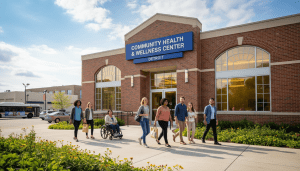
For many residents, the primary lifeline for winter fitness lies within the network of recreation centers managed by the Detroit Parks and Recreation Department. Following years of strategic renovations and investments, facilities such as the Patton Recreation Center in Southwest Detroit and the Adams Butzel Complex on the city’s west side are operating as vital community hubs.
“The goal is to remove the barrier of weather,” a representative from the Detroit General Services Department, which oversees parks, stated in a recent release regarding winter scheduling. “Our facilities offer walking tracks, swimming pools, and basketball courts that allow residents to maintain their routines regardless of the temperature outside.”
These centers are not merely gyms; they are critical infrastructure for public health. The availability of indoor walking tracks, specifically, has been cited by senior citizens as a crucial resource for mobility when sidewalks become icy or hazardous. In neighborhoods like East English Village and the University District, residents have reported utilizing these indoor spaces to replicate the walking loops they frequent outdoors during the summer months.
Furthermore, the expansion of programming—ranging from water aerobics to indoor pickleball—reflects a shifting demographic interested in diverse forms of exercise. By offering low-cost or free access to Detroit residents, the city aims to democratize fitness, ensuring that income is not a barrier to health during the heating season.
The Riverfront and Outdoor Adaptations
While indoor facilities handle much of the demand, the Detroit Riverfront Conservancy has successfully shifted the narrative that outdoor spaces are only for summer use. The popular “Winter at Valade” series at Valade Park has transformed the riverfront into a year-round destination. By installing oversized fire pits, warming sheds, and hosting designated winter wellness weekends, the Conservancy encourages locals to embrace the cold rather than hide from it.
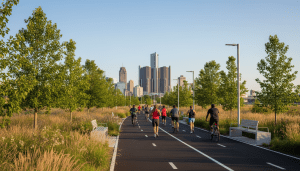
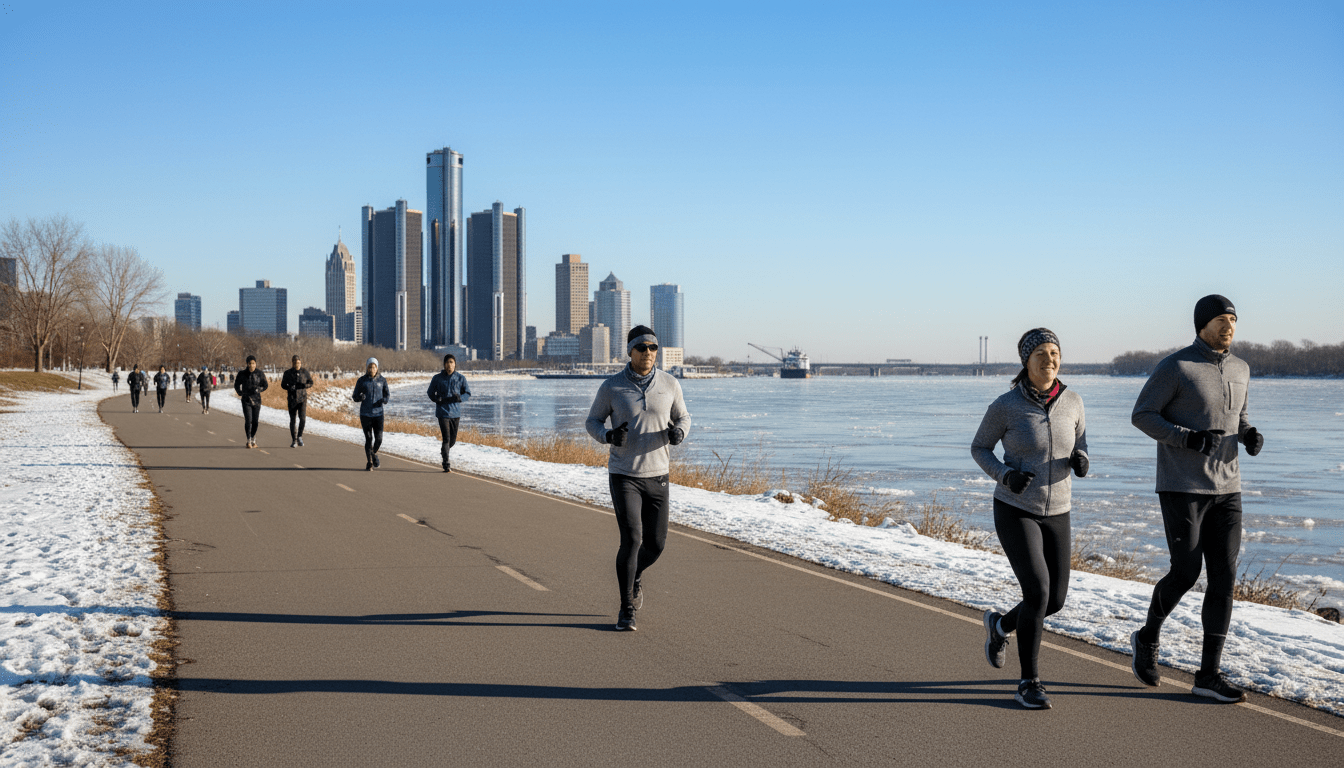
The Dequindre Cut, a greenway connecting the Riverfront to Eastern Market, remains plowed and salted, allowing for winter running and cycling. Local run clubs, which have seen a surge in membership post-pandemic, continue to utilize these paths. Organizers from local running groups have noted that while attendance drops slightly in January and February, the core commitment to staying moving remains strong, bolstered by the safety and maintenance of the greenway.
“There is a misconception that Detroit shuts down in January,” said a spokesperson for a downtown fitness coalition. “But if you look at the Riverwalk on a Saturday morning, even at 30 degrees, you see people walking, jogging, and utilizing the space. The infrastructure supports it.”
Impact on Mental and Physical Health
The push to stay active in Detroit winter is about more than physical fitness; it is a direct countermeasure to the mental health challenges associated with the season. Medical professionals at local hospital systems have long advised that regular exercise is one of the most effective non-pharmaceutical treatments for seasonal depression.
Dr. Marcus Thorne, a general practitioner based in the metro area, explained the physiological connection. “Exposure to natural light, even in winter, combined with an elevated heart rate, releases endorphins that are essential for mood regulation,” he noted in a report on community wellness. “When the city provides safe places to walk or swim, it is directly investing in the mental stability of the population.”
This is particularly relevant for Detroit neighborhoods where social isolation can increase during heavy snowfalls. Community yoga classes and group fitness sessions provide social interaction that is often lacking during the colder months.
Economic and Social Context
The accessibility of these activities is a key component of the conversation. Private gym memberships can be cost-prohibitive for many Detroit families. Consequently, the reliance on public infrastructure—parks, the riverfront, and city-run centers—is high. The Detroit City Council has continued to support budget allocations for park maintenance, recognizing that these are essential services akin to sanitation or lighting.
Local businesses have also pivoted to support this active lifestyle. Outdoor outfitters and running shops in the Midtown and Downtown areas report steady sales of cold-weather gear, suggesting that residents are investing in the necessary equipment to remain outdoors.
Looking Ahead
As winter progresses, the City of Detroit plans to continue its maintenance of outdoor trails and the operation of its recreation centers. Future developments, such as the continued expansion of the Joe Louis Greenway, promise to further connect neighborhoods, providing even more avenues for residents to commute and recreate without a vehicle, even in winter.
For now, the message from health officials and city leaders is unified: the resources are available. Whether through a heated pool at a recreation center or a brisk walk along the cleared paths of the Riverfront, Detroiters are finding resilient ways to keep moving.