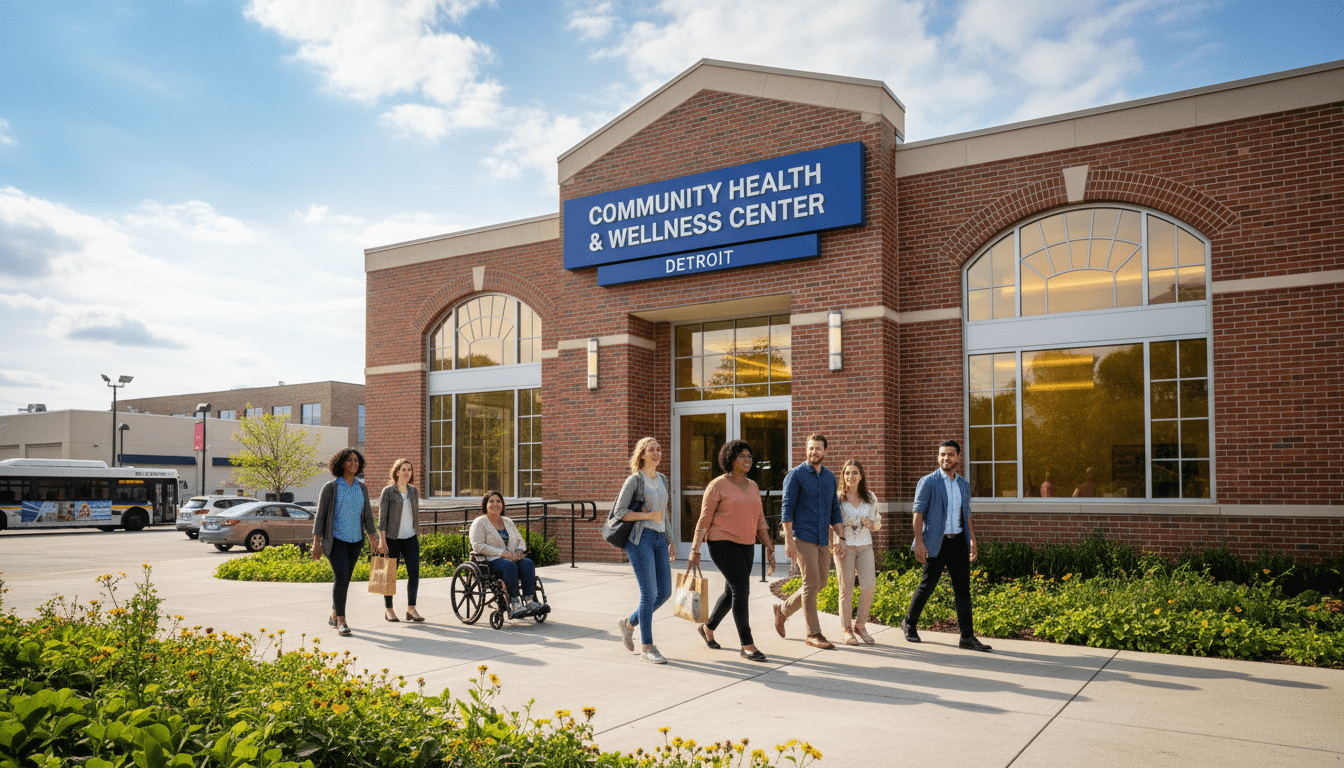
In recent years, the conversation surrounding public health in Detroit has shifted significantly, placing a renewed emphasis on psychological well-being and crisis intervention. As the demand for behavioral health services continues to rise across Wayne County, city officials and local health organizations are working to bridge the gap between residents and the critical care they need. From 24-hour crisis lines to community-based outreach programs, the landscape of mental health resources in Detroit is evolving to meet the complex needs of the city’s diverse population.
The Current Landscape of Mental Health in Detroit
Data from the Detroit Health Department and the Detroit Wayne Integrated Health Network (DWIHN) indicates that the need for comprehensive mental health services has never been greater. Post-pandemic economic stressors, housing instability, and the lingering effects of social isolation have contributed to a surge in anxiety, depression, and substance use disorders among Detroiters.
According to recent reports from the Detroit Wayne Integrated Health Network (DWIHN), the region has seen an uptick in calls to crisis hotlines, prompting a robust response from local agencies. The network, which serves as the safety net for over 75,000 people in Wayne County, has been instrumental in coordinating care for Medicaid recipients and those without insurance.
"The goal is to ensure that no resident is turned away due to an inability to pay or a lack of understanding of where to go," a representative from a local behavioral health advocacy group stated during a recent town hall meeting. This sentiment reflects a broader citywide initiative to treat mental health with the same urgency as physical health.
Crisis Intervention and Immediate Support
One of the most critical components of the mental health resources in Detroit is the crisis intervention infrastructure. The implementation of the 988 Suicide & Crisis Lifeline has streamlined access to immediate help, but Detroit has added layers of local support to ensure cultural competency and rapid response.
DWIHN operates a 24-hour access line that connects residents directly to clinicians who can assess immediate needs. Unlike general emergency services, these lines are staffed by professionals trained to de-escalate situations and arrange for same-day services if necessary. Furthermore, the city has expanded its mobile crisis teams. These units are designed to respond to psychiatric emergencies in the community, reducing the reliance on law enforcement for mental health checks—a policy change that has been widely advocated for by community activists in Detroit neighborhoods.
The Role of Urgent Behavioral Health Centers
To alleviate pressure on local emergency rooms, which are often ill-equipped to handle psychiatric crises, Detroit has seen the opening of specialized Urgent Behavioral Health Centers. These facilities provide a safe environment for individuals experiencing acute distress to stabilize without the chaotic environment of a standard hospital ER. These centers offer medication management, crisis therapy, and case management services to ensure long-term follow-up.
Community-Based Initiatives and Non-Profits
Beyond government-run agencies, the backbone of mental health support in the city lies within its network of non-profit organizations. Groups like the Neighborhood Service Organization (NSO) and Southwest Counseling Solutions provide boots-on-the-ground support, addressing not just clinical needs but the social determinants of health that exacerbate mental illness.
These organizations often operate directly within the communities they serve, offering services in schools, community centers, and even through home visits. For many residents, these local hubs are more accessible than larger medical institutions.
"Accessibility isn’t just about location; it’s about trust," noted a program director at a Midtown-based clinic. "When residents see providers who look like them and understand the specific history of Detroit, they are more likely to engage in sustained treatment."
Impact on Detroit Residents
The expansion of mental health resources in Detroit has a tangible impact on the daily lives of residents. For families navigating the complexities of the healthcare system, the move toward integrated care—where physical and mental health services are co-located—has simplified the process of getting help.
However, challenges remain. Transportation continues to be a barrier for residents living in areas with less reliable bus service. Additionally, the stigma surrounding mental illness, particularly in some of Detroit’s older generations, can prevent individuals from seeking help until a crisis occurs. Local campaigns aimed at destigmatizing therapy and psychiatric care are currently visible on billboards and digital platforms across the city, featuring stories of recovery from local Detroiters.
Funding and Future Developments
Sustainable funding is crucial for the longevity of these programs. Much of the current expansion is supported by state grants, Medicaid funding, and federal allocations. City officials are continually lobbying for increased mental health budgets to ensure that the current momentum is not lost.
Looking ahead, the city plans to further integrate mental health education into the Detroit City school system, ensuring that younger generations have the tools to manage emotional well-being early on. There is also a push for more supportive housing units designated for individuals recovering from severe mental illness, addressing the intersection of homelessness and behavioral health.
How to Access Help
For Detroit residents seeking assistance, the pathway to care typically begins with the DWIHN access line or by visiting a local federally qualified health center. Resources are available regardless of insurance status, with a sliding fee scale implemented at many non-profit clinics.
As the city continues to recover and grow, the robustness of its mental health infrastructure will serve as a key indicator of its overall resilience. By prioritizing the mind as much as the body, Detroit is building a foundation for a healthier, more supported citizenry.