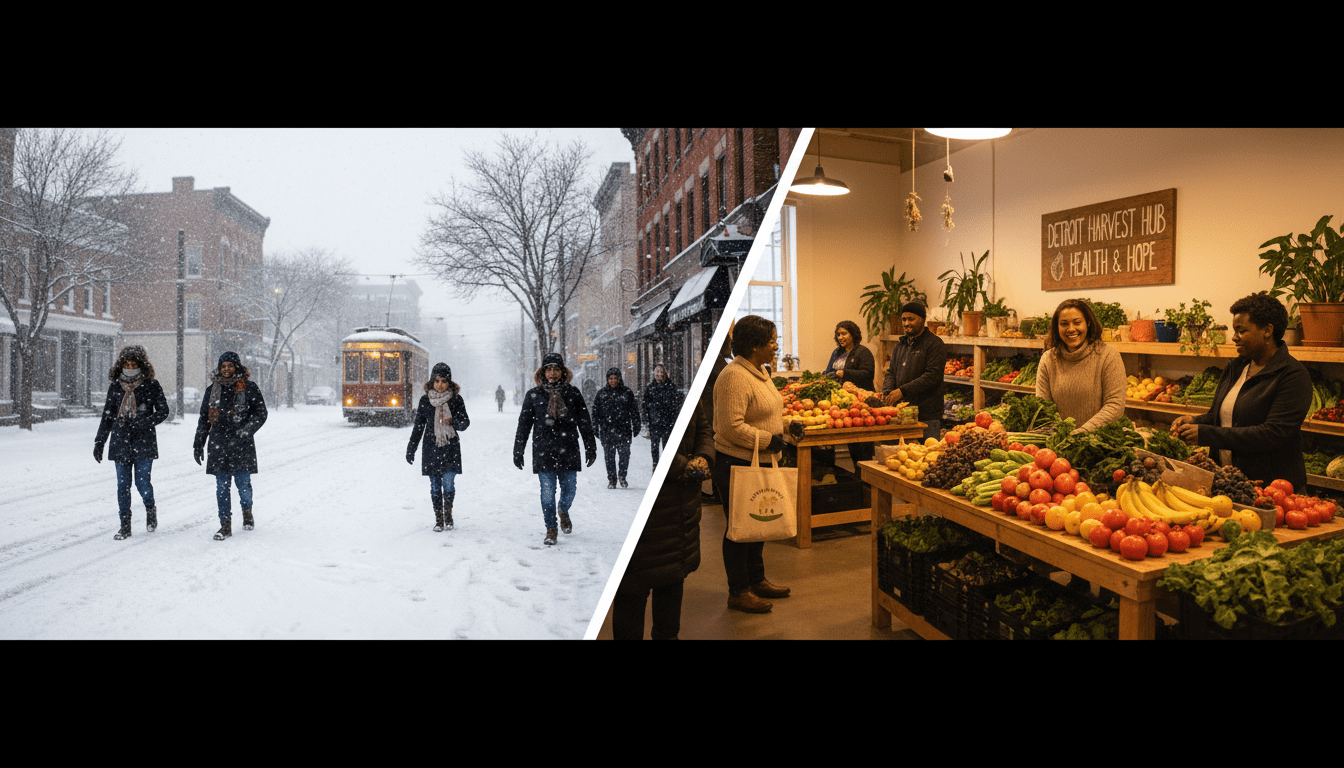
As the gray skies typical of Michigan winters settle over the city, local health officials are issuing renewed calls for residents to take proactive measures regarding their physical and mental health. With temperatures fluctuating and daylight hours shortening, the annual challenge of maintaining Detroit winter wellness has become a focal point for the Detroit Health Department and state agencies alike.
The Michigan Department of Health and Human Services (MDHHS) recently released guidelines emphasizing that winter wellness extends beyond simply avoiding the flu. It encompasses a holistic approach to navigating the mental strain of Seasonal Affective Disorder (SAD), maintaining physical activity despite the cold, and ensuring home safety during freezing nights. For Detroiters, these preparations are vital as the region braces for the peak months of the cold season.
Combating the “Triple Threat” of Respiratory Illnesses
One of the primary concerns for city officials this year is the continued presence of respiratory viruses. Local hospitals have reported steady numbers regarding the “triple threat” of influenza, RSV (Respiratory Syncytial Virus), and COVID-19. According to data from the Centers for Disease Control and Prevention (CDC), Michigan often sees a spike in respiratory hospitalizations in late January and February.
Dr. Natasha Bagdasarian, Michigan’s Chief Medical Executive, has previously noted that vaccination remains the first line of defense. “We have the tools to prevent severe illness,” she stated in a recent advisory. For Detroit residents, access to preventative care has been expanded through various community outreach programs.
The Detroit Health Department has organized multiple walk-in clinics across the city to facilitate easy access to vaccines. Public health advocates stress that maintaining a robust immune system is the cornerstone of Detroit winter wellness. Beyond vaccinations, experts recommend a diet rich in Vitamin C and Zinc, which can be found in seasonal produce available at Eastern Market and other local grocers.
Addressing Seasonal Affective Disorder in Michigan
While physical health often dominates the conversation, the mental toll of a Michigan winter is equally significant. The lack of sunlight in the Great Lakes region can trigger Seasonal Affective Disorder (SAD), a type of depression related to changes in seasons. It is estimated that millions of Americans suffer from SAD, with northern states like Michigan reporting higher prevalence rates due to latitude and consistent cloud cover.
Mental health professionals in Detroit suggest that residents proactively combat these symptoms. “Light therapy is a scientifically backed method to alleviate symptoms of SAD,” explained a representative from the Detroit Wayne Integrated Health Network (DWIHN). They recommend that residents try to get outside during the brief periods of sunlight, typically around noon, to help regulate circadian rhythms.
Furthermore, staying socially connected is crucial. Isolation during the colder months can exacerbate feelings of depression. Local community centers have ramped up their indoor programming, offering everything from book clubs to indoor walking groups, providing safe spaces for residents to socialize without braving the harsh elements for long periods.
Staying Active Indoors
A sedentary lifestyle often accompanies the drop in temperature, but health experts warn that inactivity can weaken the immune system and contribute to weight gain and lethargy. The challenge for many Detroiters is finding safe, affordable places to exercise when the sidewalks are icy.
The City of Detroit Parks & Recreation Department has responded by extending hours at several recreation centers. Facilities such as the Adams Butzel Complex and the Patton Recreation Center offer indoor tracks, swimming pools, and basketball courts. These spaces provide a vital resource for families looking to maintain active lifestyles during the winter freeze.
“Movement is medicine,” noted a local fitness coordinator. “Even 20 minutes of moderate activity a day can significantly improve mood and cardiovascular health.” For those unable to travel to a center, home-based exercises using body weight or online classes have become increasingly popular alternatives suggested by wellness advocates.
Home Safety and Heating Concerns
Detroit winter wellness is also inextricably linked to housing safety. As temperatures plummet, the risk of carbon monoxide poisoning and house fires increases as residents utilize alternative heating sources.
The Detroit Fire Department has issued its annual warning regarding space heaters and ovens. Authorities emphasize that ovens should never be used to heat a home due to the risk of carbon monoxide buildup, a colorless and odorless gas that can be fatal. Residents are urged to install carbon monoxide detectors on every level of their homes and to check the batteries monthly.
For residents struggling with heating costs, resources are available. The Michigan Department of Health and Human Services (MDHHS) administers the State Emergency Relief (SER) program, which can assist with energy-related crisis payments. Additionally, DTE Energy offers payment protection plans for vulnerable seniors and low-income households to ensure that no one is left without heat during a cold snap.
Diet and Nutrition: Fueling the Body for Warmth
Nutritional experts in the city are also highlighting the importance of warming, nutrient-dense foods. Root vegetables, soups, and stews are not only comforting but provide essential nutrients that help the body regulate temperature and fight off infection.
Local nutritionists advise reducing sugar intake, which can suppress the immune system, and increasing hydration. It is a common misconception that dehydration is only a summer risk; however, the dry winter air inside heated homes can rapidly deplete body moisture. Drinking water and herbal teas is recommended to keep mucous membranes moist, which helps trap viruses before they enter the body.
What Happens Next
As the city moves deeper into the winter season, local officials are monitoring weather patterns and hospital capacity closely. The forecast suggests a traditional Michigan winter with potential for heavy snowfall in late February, prompting Detroit infrastructure teams to prepare salt trucks and plows to keep the city moving.
For the average resident, the message remains one of preparation and community care. By prioritizing vaccinations, mental health awareness, and home safety, Detroiters can navigate the winter months with resilience. The focus on Detroit winter wellness is not just about individual health, but about maintaining the vitality of the community as a whole until spring returns to the Motor City.