Detroit, long known globally as the Motor City, is currently undergoing a significant transformation aimed at redefining its environmental footprint. As cities worldwide grapple with the realities of climate change, the City of Detroit has launched a series of comprehensive sustainability initiatives designed to improve air quality, reduce carbon emissions, and lower utility costs for residents. Spearheaded by the Office of Sustainability, these efforts mark a pivotal shift in municipal policy, targeting a greener, more resilient future for Michigan’s largest city.
The Detroit Climate Strategy in Action
At the core of these changes is the Detroit Climate Strategy, a framework released to guide the city toward significant environmental milestones. According to the City of Detroit Office of Sustainability, the primary goal is to reduce municipal greenhouse gas emissions significantly by 2034 and achieve carbon neutrality by 2050.
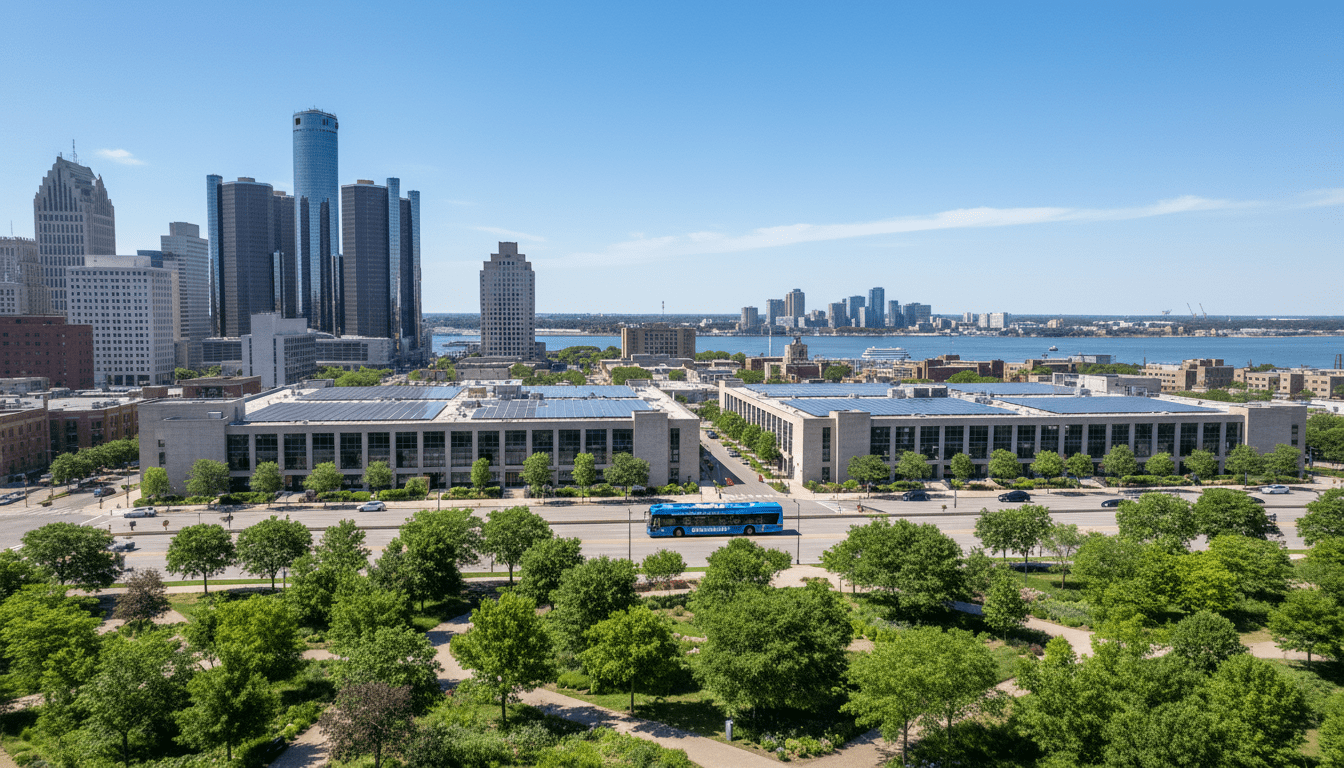
One of the flagship components of this strategy is the focus on energy efficiency in municipal buildings. The city has begun retrofitting recreation centers, police precincts, and administrative offices with energy-efficient lighting, upgraded HVAC systems, and better insulation. These Detroit sustainability initiatives are not merely symbolic; they represent a fiscal strategy to reduce the millions of dollars spent annually on municipal energy bills.
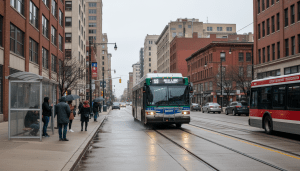
Furthermore, the city is addressing the transportation sector. While Detroit remains the automotive capital, the shift toward electrification is palpable. The Detroit Department of Transportation (DDOT) has begun integrating electric buses into its fleet, reducing the reliance on diesel engines that contribute heavily to urban smog.
Impact on Detroit Residents
For the average Detroiter, these high-level policy changes translate into tangible quality-of-life improvements. One of the most critical aspects of the sustainability plan is addressing public health. Detroit has historically suffered from higher-than-average rates of asthma and respiratory illnesses, often linked to industrial pollution and vehicle emissions. By transitioning to cleaner energy sources and expanding green spaces, officials aim to lower these health risks.
“We are looking at a direct correlation between green infrastructure and community health,” said a representative from a local environmental advocacy group during a recent town hall. “Reducing the heat island effect through tree planting and cutting down on diesel fumes helps our children breathe easier.”
Beyond health, there is an economic angle. The push for renewable energy is creating a demand for a skilled workforce. Residents are finding new opportunities in the local green economy, with training programs popping up to teach solar panel installation and energy auditing. Additionally, programs aimed at weatherizing low-income homes are helping residents reduce their monthly utility bills, keeping more money in the pockets of local families.
Solar Neighborhoods and Green Spaces
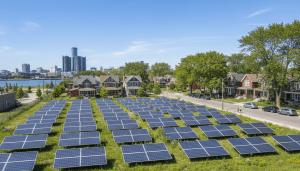
A distinct feature of Detroit’s environmental approach is the innovative use of vacant land. The city has proposed utilizing acres of unused property to build solar arrays. These neighborhood solar parks are designed to generate clean power that can be fed back into the grid, offsetting costs for city operations and community centers.
Parallel to energy generation is the effort to re-green the cityscape. Organizations like The Greening of Detroit have partnered with city officials to accelerate tree planting efforts. A robust tree canopy is essential for mitigating the “urban heat island” effect, where concrete and asphalt trap heat, making summer temperatures dangerously high in specific neighborhoods.
Waste Reduction and Recycling
Waste management remains a challenging but critical part of Detroit sustainability initiatives. The city is intensifying its recycling education programs to increase participation rates, which have historically lagged behind national averages. Initiatives to expand curbside recycling and composting options are currently being piloted in select neighborhoods, with plans for broader rollout pending data analysis on participation and contamination rates.
Background & Data
The urgency of these initiatives is backed by data. A vulnerability assessment conducted by climate researchers at the University of Michigan highlighted that Detroit is particularly susceptible to extreme heat events and flooding caused by intensified storms. The flooding events of recent summers served as a wake-up call regarding the need for improved stormwater management.
In response, the Detroit Water and Sewerage Department (DWSD) has invested heavily in green stormwater infrastructure. By replacing impermeable concrete with bio-swales and permeable pavement, the city is better equipped to handle heavy rainfall, reducing the risk of basement backups that have plagued residents in recent years.
What Happens Next?
Looking ahead, funding remains a critical piece of the puzzle. Detroit is actively pursuing federal grants made available through the Inflation Reduction Act to supercharge its climate goals. City planners are currently drafting proposals for expanded electric vehicle charging networks and further investments in public transit.
As these Detroit City developments continue to unfold, the success of the programs will likely depend on continued community engagement. Town halls and public comment sessions are scheduled throughout the year to ensure that the transition to a greener Detroit is equitable and inclusive of all neighborhoods, not just the downtown corridor.
While the road to carbon neutrality is long, the foundation being laid today suggests that Detroit is ready to evolve from its industrial roots into a model of modern urban resilience.