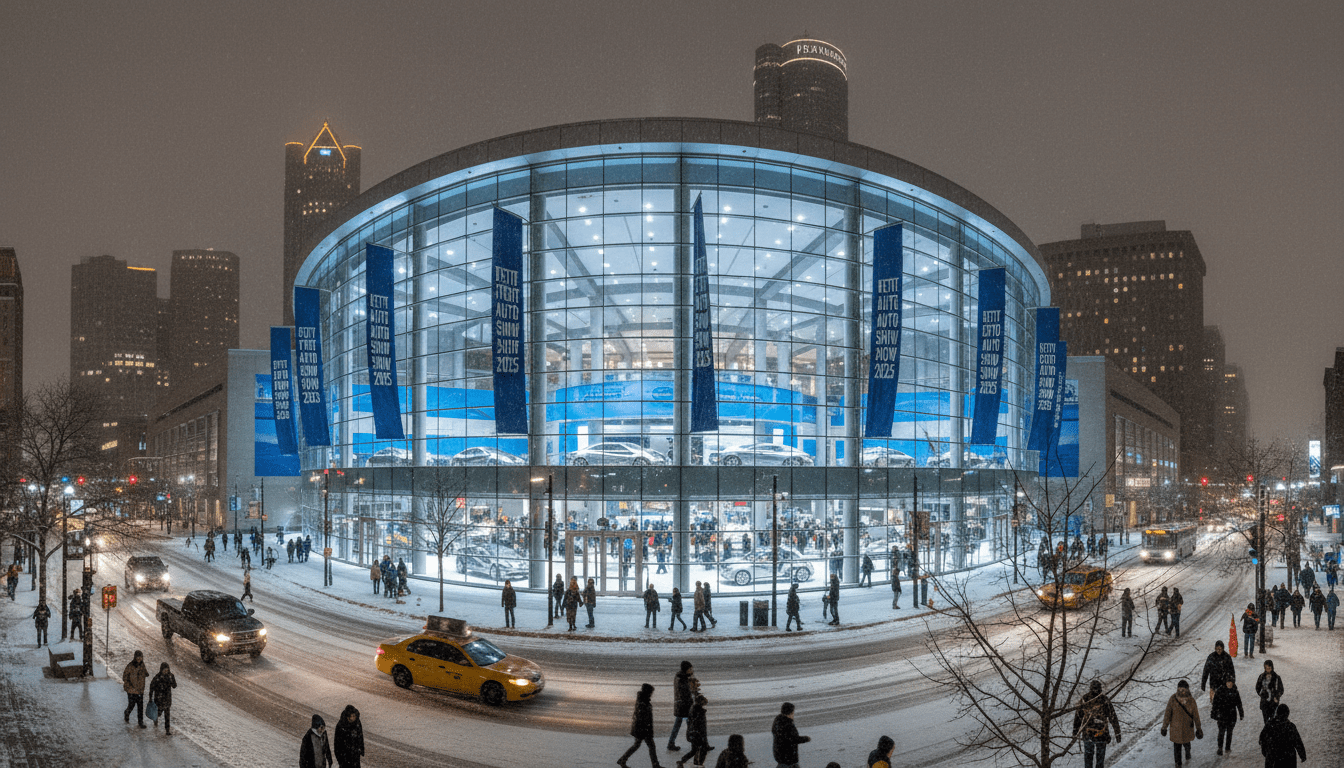
After a multi-year experiment with autumnal dates, the North American International Auto Show (NAIAS)—colloquially known as the Detroit Auto Show—is officially returning to its traditional winter roots. Organizers have confirmed that the Detroit Auto Show 2025 will take place at Huntington Place from January 10 through January 20, 2025. The decision marks a significant pivot for the Detroit Auto Dealers Association (DADA) and signals a return to the format that historically established Detroit as the epicenter of the global automotive industry.
The move back to January ends a brief era where the show was held in September, a change originally intended to capitalize on outdoor activations and warmer weather. However, industry feedback and logistical realities have driven the event back to the start of the calendar year, a shift that local economists and hospitality leaders believe will restore a vital revenue stream during Detroit’s quietest tourism months.
The Strategic Shift Back to Winter
The decision to revert to January was not made lightly. Following the COVID-19 pandemic, show organizers attempted to reinvent the event as an indoor-outdoor festival in September 2022 and 2023. While the outdoor Ride-and-Drives were popular with the public, the timing conflicted with the start of the school year and failed to garner the same level of international media attention as the traditional January slot.
According to the Detroit Auto Dealers Association, the primary driver for the return to January is the global automotive development cycle. Automakers prefer to unveil new models at the beginning of the year to set the tone for the upcoming sales season. Furthermore, the January dates allow Detroit to reclaim its position as the first major auto show of the year in North America, distinct from the consumer electronics focus of CES in Las Vegas.
“Our goal is to deliver the most impactful show for the industry and the city,” said Rod Alberts, executive director of the Detroit Auto Dealers Association, in a statement regarding the schedule change. “January offers the best opportunity for global reveals and industry engagement.”
Economic Impact on Detroit Residents and Businesses
For the average Detroit resident, the return of the Detroit Auto Show 2025 to January means more than just traffic congestion around Huntington Place; it represents a massive injection of capital into the local service economy. Historically, the January auto show generated an estimated economic impact of over $400 million for the region, a figure that the September shows struggled to match.
The impact is most acutely felt in the hospitality sector. January and February are traditionally the slowest months for downtown hotels and restaurants. The return of the show fills a critical gap in the calendar.
Local business owners are expressing relief at the news. A manager at a prominent Woodward Avenue restaurant noted that during the traditional January shows, they would be booked solid with corporate accounts and media dinners for two weeks straight. During the September dates, much of that business was lost to outdoor venues or diluted by other fall events. The return to January ensures that thousands of international journalists and executives will once again be looking for indoor dining and entertainment, securing hours and wages for service staff during the winter lull.
Analyzing the Data: Attendance and Revenue
Data from Visit Detroit highlights the disparity between the seasonal slots. Pre-pandemic January shows regularly attracted over 800,000 attendees. While the 2022 and 2023 September shows saw respectable numbers, they did not reach the same density of high-spending business travelers.
According to statistics from the Convention and Visitors Bureau, hotel occupancy rates in downtown Detroit hover significantly lower in January compared to September. By placing the city’s largest convention back in the winter, the region maximizes hotel tax revenue. Claude Molinari, President and CEO of Visit Detroit, has previously emphasized that a successful auto show is a cornerstone of the city’s convention strategy.
Furthermore, the logistical footprint of the show supports local labor. The build-out for the Detroit Auto Show 2025 will require union carpenters, electricians, and teamsters working through the holidays—providing high-paying work during a season when construction projects often slow down due to weather.
What to Expect from the 2025 Show
The 2025 iteration of the show is expected to focus heavily on the transition to electric vehicles (EVs) and the software-defined vehicle, areas where Michigan is aggressively trying to maintain leadership. While the outdoor test tracks of September are gone, Huntington Place will likely feature expanded indoor tracks, a feature that became a fan favorite in recent years.
There is also a renewed focus on the “Future of Automobility,” a dedicated technology showcase intended to bridge the gap between traditional manufacturing and the tech sector. This is seen as a direct response to the competition from CES. By consolidating the industry’s presence in Detroit in January, organizers hope to encourage executives to attend both events or prioritize the dedicated automotive context of Detroit.
Residents should expect road closures near the riverfront to begin in late December as load-in begins. The Detroit transportation department is expected to release a detailed traffic mitigation plan later this year to handle the influx of visitors.
Looking Ahead
The success of the Detroit Auto Show 2025 will be a litmus test for the viability of traditional auto shows in a digital age. Many global manufacturers have pulled back from auto shows entirely, preferring digital reveals. However, the Detroit community—from the C-suite in the Renaissance Center to the valets at the hotels—is banking on the physical return of the industry’s main event.
For more information on tickets and scheduling, residents can monitor updates via the official NAIAS website.