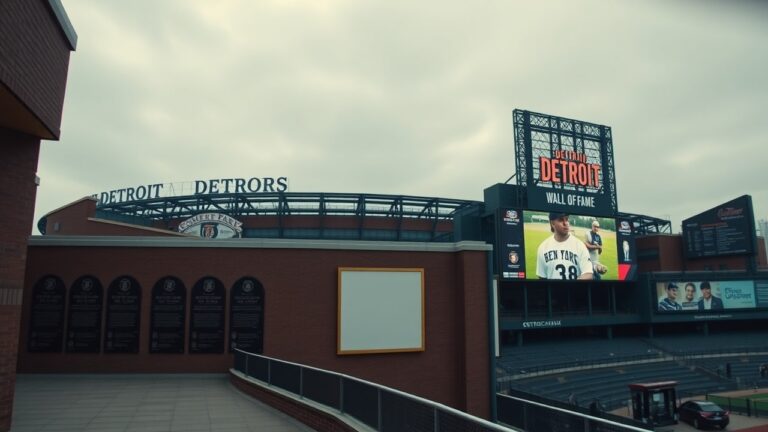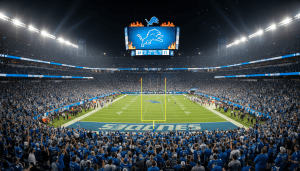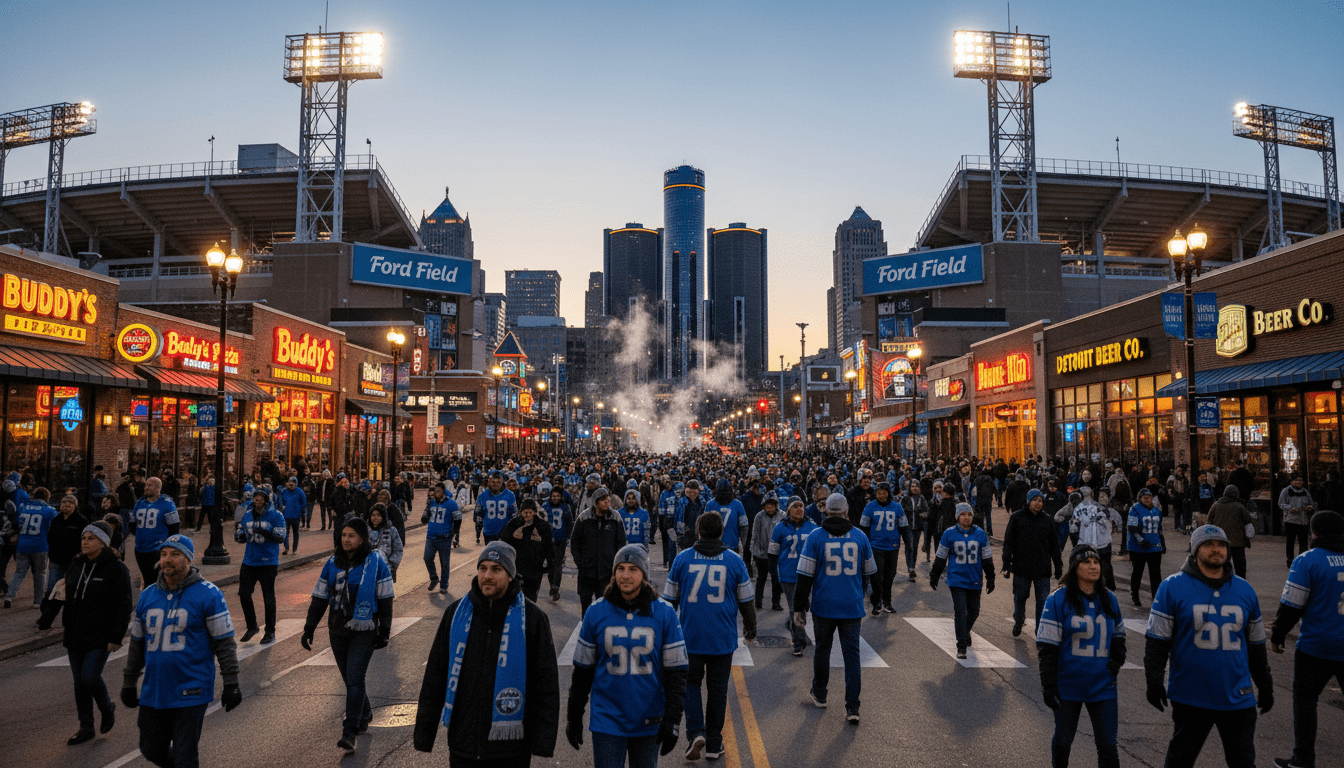
The roar inside Ford Field is doing more than just intimidating opposing teams; it is generating a substantial economic ripple effect across downtown Detroit. As the Detroit Lions cement their status as legitimate Super Bowl contenders, the financial impact of their success is being felt by hotel owners, restaurateurs, and city tax collectors alike. While the emotional lift of a winning team is intangible, the revenue numbers emerging from the last fiscal year paint a clear picture of a sports-driven economic surge.
For decades, the narrative surrounding Detroit sports was one of loyalty despite adversity. However, the current era, led by head coach Dan Campbell and general manager Brad Holmes, has transformed the franchise into a national powerhouse. This shift has turned game days from routine Sunday events into massive, weekend-long revenue generators for the city. According to data from the Detroit Metro Convention & Visitors Bureau (Visit Detroit), high-profile games are now bringing in visitor numbers comparable to major industry conventions.
The Multiplier Effect on Local Hospitality
The correlation between the team’s win-loss record and local business revenue is stark. When the Lions are winning, fans arrive earlier, stay later, and spend more. Local hospitality groups have reported year-over-year growth in game-day receipts ranging from 20% to 40% compared to the pre-2021 seasons.
“It is night and day compared to five years ago,” said a manager at a popular sports bar near Grand Circus Park, who preferred to speak on behalf of the establishment’s ownership group. “People aren’t just coming for the game and leaving. They are booking hotels for the weekend. They are eating brunch in Capitol Park. The winning culture keeps people downtown longer, and that spending spreads to businesses that aren’t even directly next to the stadium.”
Data supports these anecdotes. According to reports from the Detroit Regional Chamber, downtown hotel occupancy rates surge significantly during home game weekends. The influx of out-of-town fans—traveling to see a prime-time contender—has driven Average Daily Rates (ADR) for hotel rooms to premium levels, generating increased tax revenue for the city that funds public services.
Impact on Detroit Residents and Jobs
While the excitement is palpable for ticket holders, the Detroit Lions economic impact extends to residents who may never enter the stadium. The surge in foot traffic requires a robust workforce to manage hospitality, security, and logistics.
Local staffing agencies have noted an uptick in demand for temporary and part-time event staff. This provides income opportunities for Detroit residents, particularly in the service sector. Furthermore, the 2% municipal income tax levied on non-residents working in the city, along with tax revenue from increased business sales, contributes to the general fund used for neighborhood improvements, police services, and transportation infrastructure.
However, the influx of 65,000+ fans does present challenges for locals, primarily regarding traffic and parking availability. The City of Detroit has been working to optimize traffic flow patterns, encouraging the use of the QLINE and People Mover to alleviate congestion in residential pockets adjacent to the Central Business District. Residents in the Brush Park and Lafayette Park neighborhoods have expressed mixed feelings—appreciating the vibrancy and safety that comes with crowds, while navigating the logistical hurdles of game-day road closures.
Sustaining the Momentum of the 2024 Draft
The current economic boom is not happening in a vacuum; it is arguably a continuation of the momentum generated by the 2024 NFL Draft, which was hosted in downtown Detroit. That event set an all-time attendance record for the league and showcased the city’s waterfront and architecture to a global audience.
According to the City of Detroit, the Draft generated an estimated economic impact exceeding $160 million. However, economists argue that the long-tail effect is more valuable. The successful execution of the Draft proved Detroit’s capacity to host large-scale events, leading to increased interest from other organizations and conventions. The Lions’ current success keeps that spotlight turned on. Every prime-time game broadcast from Ford Field serves as a three-hour commercial for the city’s revitalization.
Commercial Real Estate and Development
The consistent foot traffic generated by a winning sports franchise also stabilizes the commercial real estate market. Storefront vacancies in the immediate vicinity of the stadium district have decreased as entrepreneurs see a viable customer base. This connects directly to broader downtown development projects that rely on a vibrant street life to attract long-term office tenants.
Real estate analysts suggest that the “sports entertainment district” concept, which Detroit pioneered with the close proximity of Ford Field, Comerica Park, and Little Caesars Arena, is finally fully maturing. The synergy between the teams means that even in the NFL off-season, the infrastructure built to support Lions fans is being utilized for Tigers games and concerts, creating a sustainable ecosystem for business owners.
What Happens Next?
As the season progresses, the stakes—and the potential revenue—get higher. A home playoff game is the “gold standard” for local economic impact, estimated to generate tens of millions of dollars in a single weekend. City officials and business leaders are already coordinating preparations for potential post-season scenarios to maximize safety and efficiency.
For Detroit, the Lions are no longer just a football team; they are a major economic engine. As long as the wins continue to pile up on the field, the city’s ledgers are likely to reflect that victory in black ink.