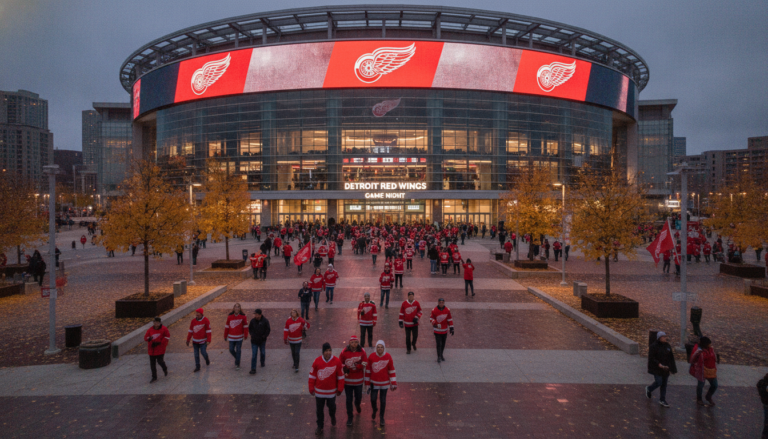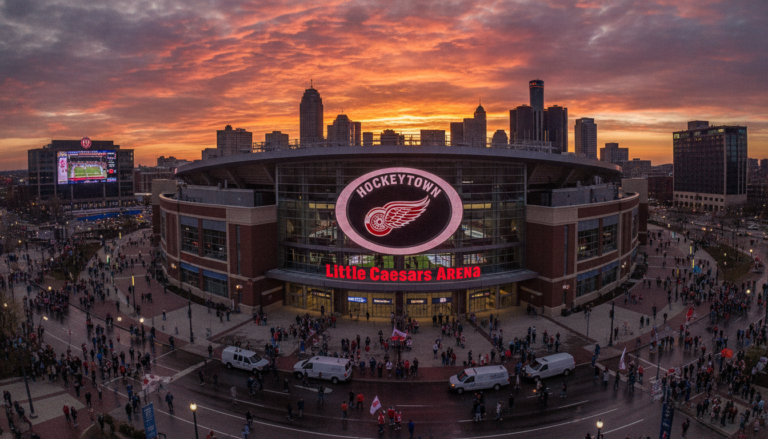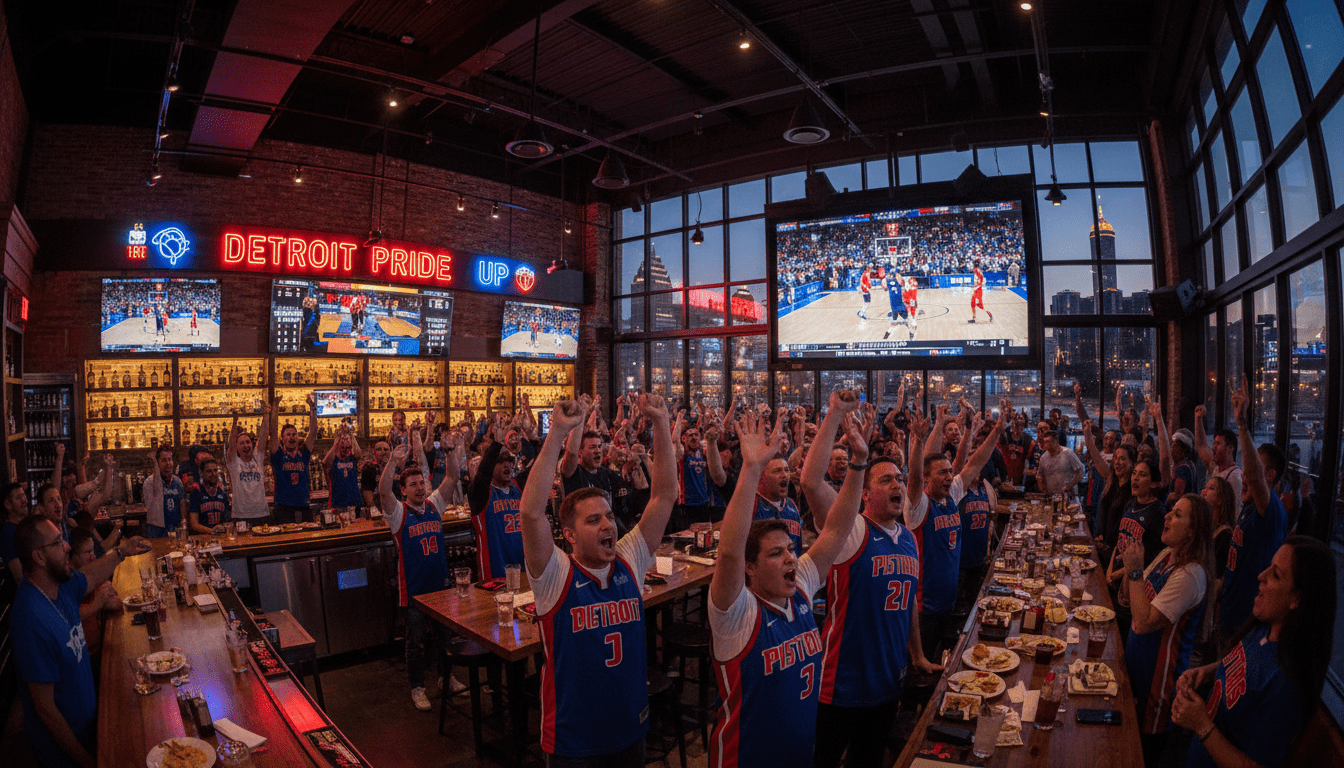
For basketball enthusiasts determining where to watch Pistons in Detroit this season, the landscape of sports viewership is evolving. As the Detroit Pistons continue their rebuilding efforts centered around young stars like Cade Cunningham and Jaden Ivey, the demand for communal viewing experiences in the city is shifting alongside the complexities of regional sports broadcasting. While the team plays its home games at Little Caesars Arena, a growing segment of the fanbase is flocking to downtown establishments and neighborhood staples to catch the action, driven by both the electric atmosphere of the District Detroit and the ongoing fragmentation of home viewing options.
The Changing Landscape of Sports Viewership
The experience of watching local sports has transformed significantly over the last decade. With the complications surrounding regional sports networks (RSNs)—specifically the bankruptcy proceedings involving Diamond Sports Group, the parent company of Bally Sports Detroit—many fans have found it increasingly difficult to access games from the comfort of their living rooms without expensive cable packages or specific streaming subscriptions. This friction in home accessibility has inadvertently revitalized the local sports bar economy.
According to hospitality data trends, sports bars in major metropolitan areas are seeing a resurgence as reliable hubs for fans who want to bypass blackout restrictions and subscription fatigue. In Detroit, this trend is palpable. The “watch party” culture is becoming a critical revenue stream for local businesses, particularly on weeknights when foot traffic might otherwise be slow.
Where to Watch Pistons in Detroit: Key Establishments
When identifying prime locations for game day, the focus shifts to venues that offer more than just a television screen. The most popular spots are those that integrate audio-visual immersion with the collective energy of the city’s fanbase. Several key districts have emerged as the primary destinations for those seeking where to watch Pistons in Detroit.
The District Detroit and Downtown Hubs
Sports & Social Detroit: Located directly within the District Detroit development, this venue has established itself as a premier destination for fans who cannot secure tickets to the arena but want to remain in the shadow of the action. Featuring a massive 32-foot media wall, it simulates the arena experience. Management at similar venues in the area have noted that proximity to Little Caesars Arena creates a “spillover effect,” where the energy of the live game permeates the surrounding blocks.
Harry’s Detroit: A staple in the Cass Corridor, Harry’s represents the traditional sports bar experience that anchors the local fan culture. Situated near the arena, it serves as a gathering point for both pre-game revitalization and full-game viewing. The venue is often cited by locals for its authentic atmosphere, serving as a reliable answer for residents asking where to catch the game.
Tin Roof Detroit: Positioned on East Adams Avenue, Tin Roof offers a different dynamic, blending live music with sports broadcasting. It attracts a younger demographic and highlights how venues are diversifying their entertainment offerings to keep fans engaged during timeouts and halftimes.
Impact on Detroit Residents and Local Economy
The question of where to watch the game is not merely about entertainment; it is an economic driver for the city. When fans choose to watch games at local establishments rather than at home, money circulates within the Detroit hospitality sector. This is vital for the city’s post-pandemic economic recovery.
Local business owners have reported that game nights—even when the team is struggling—provide a consistent baseline of revenue. “The Pistons bring a loyal crowd,” noted a manager at a downtown sports pub in a recent discussion on local business trends. “Even on a Tuesday night in January, if the Pistons are playing, we have tables full of people cheering. It keeps the lights on and staff employed.”
For residents, these communal spaces offer a sense of civic identity. In a city known for its resilience and deep sports roots, the act of watching a game together fosters social cohesion. It allows residents from different neighborhoods to converge in a shared space, united by their support for the home team.
Broadcast Context and Data
For those opting to stay in, understanding the broadcast rights is essential. The Detroit Pistons schedule is primarily covered by Bally Sports Detroit. However, the shifting media landscape means fans must stay vigilant regarding carrier disputes and streaming app availability.
Data from the Nielsen ratings has historically shown that Detroit consistently ranks high among U.S. markets for local sports viewership engagement, regardless of team performance. This statistical loyalty underscores why venues invest heavily in subscription packages and audio-visual equipment—they know the demand exists.
Looking Ahead: The Future of Fan Engagement
As the Pistons organization continues to develop its young roster, the infrastructure for watching the team is expected to grow. Developments in Detroit’s local business sector suggest that more experiential viewing venues may open in the coming years, particularly in the Midtown and Corktown areas, expanding the footprint of game-day excitement beyond the immediate arena district.
Whether through a high-definition stream at a crowded bar or via a local broadcast at home, the passion of Detroit basketball fans remains a constant force. For now, the city’s hospitality industry stands ready to serve those looking for the perfect spot to witness the next chapter of Detroit basketball.