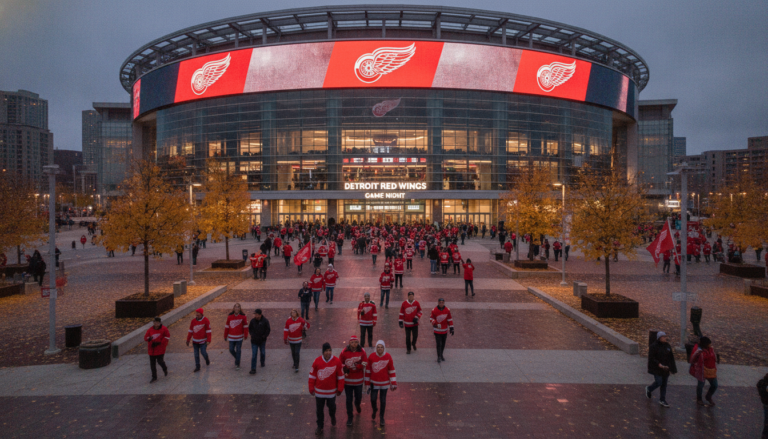
New data analysis indicates that Detroit’s decade-long revitalization effort is finally translating into sustained digital interest, with search volumes for relocation and tourism reaching multi-year highs. According to recent Google Trends reports, queries related to “moving to Detroit,” “jobs in Detroit,” and “Detroit cultural events” have seen a significant uptick over the last 12 months, signaling a potential shift in the city’s economic trajectory.
The data suggests that the national narrative surrounding the Motor City is pivoting from curiosity to intent. While short-term spikes in interest often follow major sporting events—such as the massive visibility generated by the recent NFL Draft hosted downtown—the sustained nature of these search terms implies a more permanent interest in the city’s cost of living and lifestyle offerings.
Analyzing the Detroit Search Trends
The surge in digital traffic is not limited to a single demographic or region. Google Trends data breaks down interest by metro area, showing increased query volume from residents in high-cost coastal cities such as New York, Los Angeles, and Washington D.C. This aligns with recent migration patterns observed by the U.S. Census Bureau, which has noted a slowing of population loss and stabilizing numbers in the region.
“We are seeing a direct correlation between digital search intent and physical foot traffic,” said a representative from the Detroit Metro Convention & Visitors Bureau (Visit Detroit). “When people search for ‘hotels in downtown Detroit’ or ‘Detroit riverfront restaurants’ at these volumes, it translates to booked rooms and restaurant covers. The digital buzz is becoming tangible economic revenue.”
Specific breakout topics in the data include the reopening of Michigan Central Station and the expanding greenway projects, suggesting that infrastructure developments are key drivers of external interest.
Impact on Detroit Residents
For long-time Detroiters, this rise in popularity presents a complex mix of economic opportunity and housing anxiety. As Detroit search trends translate into real-world migration, the local housing market faces increased pressure. While property values rising is a boon for homeowners, it raises concerns regarding affordability for renters and legacy residents.
Local business owners, particularly in the hospitality and retail sectors, stand to benefit most immediately. An influx of visitors driven by online discovery helps sustain the post-pandemic recovery of the downtown and Midtown corridors. However, community organizers emphasize the need for this economic boon to penetrate neighborhood commercial corridors, not just the central business district.
For more on local infrastructure projects supporting this growth, read our coverage on neighborhood infrastructure updates.
Background and Economic Context
The correlation between search data and economic shifts is well-documented. A study by the Federal Reserve Bank often utilizes high-frequency data, such as internet searches, to predict housing market turning points. In Detroit’s case, the alignment of high search volume with the city’s unemployment rate dropping to historic lows creates a promising picture.
According to the City of Detroit’s most recent financial reports, income tax revenues have stabilized, supported by both corporate investment and new residents. The Google Trends data supports the narrative that the city’s efforts to attract tech hubs and manufacturing innovation—such as the extensive EV battery plant developments—are capturing national attention.
For further analysis on the city’s financial outlook, see our report on Detroit’s 2025 budget projections.
What Happens Next?
City officials and urban planners are now tasked with converting this digital interest into permanent residency and long-term investment. The challenge remains to ensure that the infrastructure—ranging from public transportation to school systems—can support potential population stabilization or growth.
As the summer tourism season approaches, analysts will be watching to see if the high volume of “visit Detroit” queries sustains through the colder months, potentially signaling a transition from a seasonal destination to a year-round economic contender.
Residents can explore the raw data and regional breakdowns directly via Google Trends to see how their neighborhoods are trending.