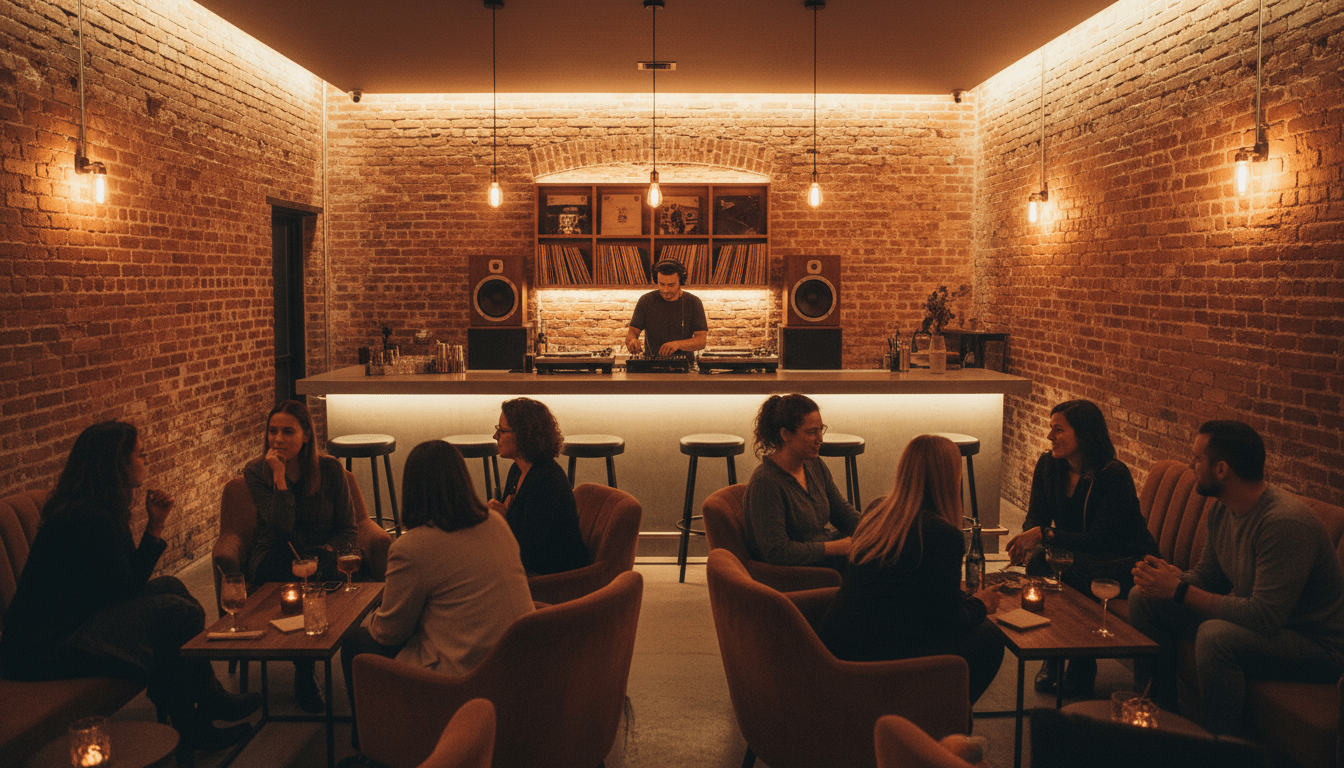
For decades, the narrative surrounding Detroit’s hospitality industry focused heavily on the downtown core and the Greektown district. However, a significant shift is currently reshaping the city’s social landscape. The Detroit dining scene is rapidly decentralizing, moving away from centralized entertainment districts and establishing sophisticated, experience-driven social hubs within residential neighborhoods. This evolution is not merely a culinary trend but a distinct economic driver that is altering real estate dynamics and community cohesion across the city.
From the historic streets of Corktown to the revitalized corridors of the West Village and the Avenue of Fashion, new establishments are prioritizing atmosphere, high-fidelity audio, and community engagement over high-volume turnover. This transition marks a maturity in the local market, signaling that residents are seeking “third spaces”—social environments distinct from home and work—within walking distance of their doorsteps.
The Shift to Experience-Driven Venues
The post-pandemic hospitality landscape has forced restaurateurs and bar owners to rethink their business models. According to industry analysis, patrons are no longer satisfied with standard service; they are seeking immersive experiences. In Detroit, this has manifested in the rise of “listening bars” and intimate lounges where the acoustics and interior design are treated with as much reverence as the cocktail menus.
Local proprietors report that the demand for high-energy nightclubs is stabilizing, while the appetite for lounge-style dining and social listening spaces is growing. These venues often feature custom sound systems, vinyl-only DJ sets, and curated menus that encourage lingering rather than quick consumption. This shift aligns with broader national trends, but in Detroit, it serves a specific function: filling the commercial gaps in recovering neighborhoods.
Data from the Michigan Restaurant & Lodging Association (MRLA) suggests that the industry is still navigating labor shortages and supply chain volatility. However, the resilience of independent operators in Detroit has been notable. The pivot toward smaller, higher-margin venues allows business owners to manage overhead more effectively while providing the high-touch service that modern diners expect.
Impact on Detroit Residents and Neighborhoods
For long-time Detroit residents, the influx of upscale dining and social spots brings a complex mix of benefits and challenges. On one hand, these establishments serve as anchors for commercial corridors. A thriving local bistro or social lounge increases foot traffic, which in turn improves street-level safety and attracts complementary businesses like retail shops and cafes.
Furthermore, the presence of viable social infrastructure is a key component of the Detroit housing market appeal. Real estate professionals often cite walkability to amenities as a primary driver for home values in neighborhoods like Core City and Southwest Detroit. When a neighborhood gains a reputation for its culinary offerings, it often sees a subsequent rise in development interest.
However, the question of accessibility remains pertinent. Community leaders have emphasized the importance of these new venues remaining welcoming to existing residents, not just newcomers. The most successful establishments in the evolving Detroit dining scene are those that hire locally and maintain price points or programming that reflect the community’s demographic.
Economic Data and Development Support
The growth of these social spots is not accidental; it is often supported by strategic funding. The Detroit Economic Growth Corporation (DEGC), through programs like Motor City Match, has been instrumental in helping entrepreneurs open brick-and-mortar locations outside of the greater downtown area.
According to reports from the City of Detroit, small business openings have continued to rise, with a specific concentration in the food and beverage sector. The DEGC has noted that by incentivizing businesses to open in targeted commercial corridors, the city creates “20-minute neighborhoods” where residents can access goods and services without relying heavily on automotive transport. This aligns with broader city goals regarding Detroit transportation and infrastructure planning, aimed at making the city more pedestrian-friendly.
“The restaurant industry is often the canary in the coal mine for neighborhood revitalization,” notes local economic development literature. “When the lights go on in the evening at a corner restaurant, the perception of the entire block changes.”
Future Outlook for Detroit Hospitality
Looking ahead, the trajectory for Detroit’s social spots appears to be moving toward hybridization. We can expect to see more venues that combine retail, dining, and performance art. The success of multi-use spaces suggests that flexibility is key to survival in the current economic climate.
Furthermore, as Detroit continues to attract national attention—highlighted by recent James Beard Award nominations and inclusions in global travel lists—the pressure will be on local operators to maintain authenticity. The challenge for the coming years will be balancing the influx of tourism dollars with the needs of the locals who sustain these businesses year-round.
The Detroit dining scene has moved beyond recovery mode and into a phase of reinvention. By focusing on quality, atmosphere, and neighborhood integration, these new social spots are proving that hospitality is a vital component of Detroit’s broader economic resurgence.