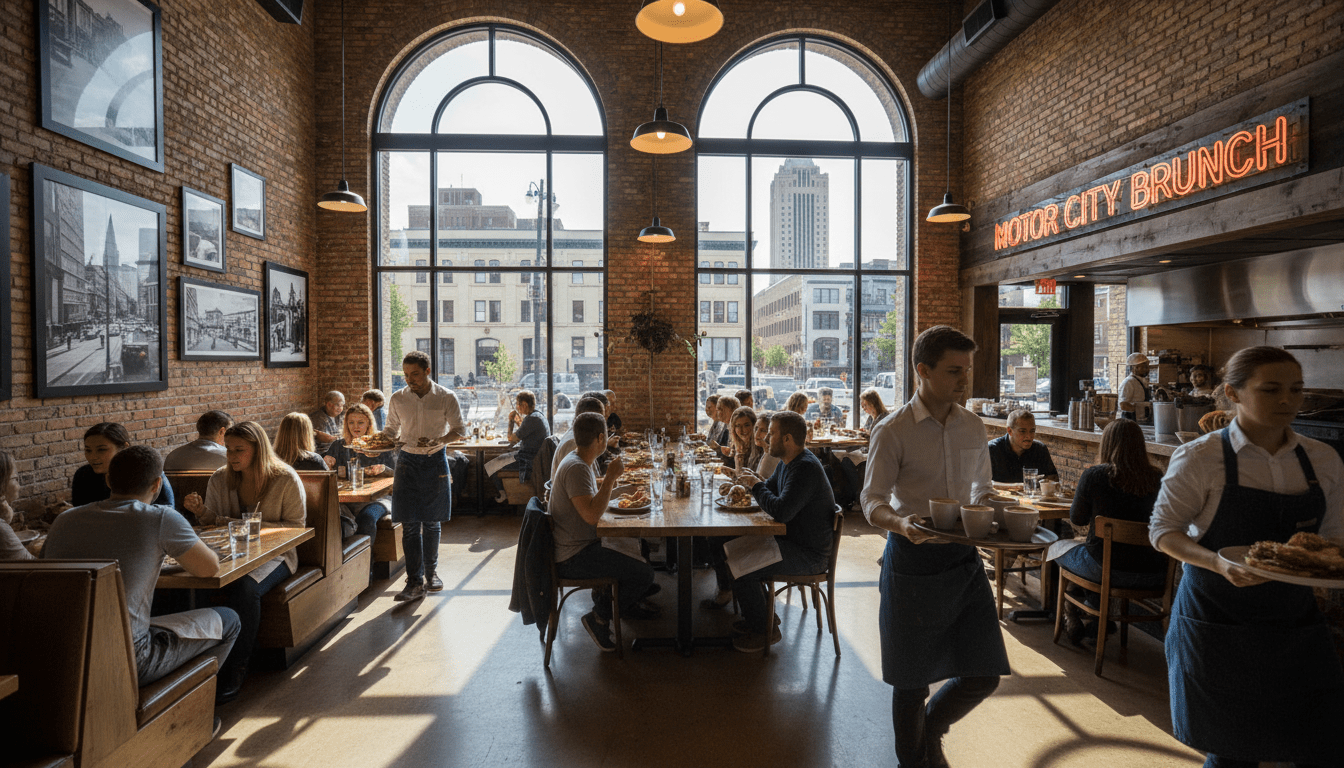
On any given Sunday morning in downtown Detroit, the sidewalks along Griswold Street and Woodward Avenue tell a story of economic resilience. While the city’s culinary reputation was once defined largely by coney islands and steak houses, a new wave of daytime dining has taken hold. The proliferation of Detroit brunch spots is not merely a lifestyle trend; reporting indicates it has become a significant driver of foot traffic and revenue for the city’s recovering hospitality sector.
According to recent data from the Michigan Restaurant & Lodging Association, daytime dining traffic has seen a sharper recovery trajectory than late-night service in several urban centers, with Detroit following this national pattern. For local business owners and city planners, the surge in demand for breakfast and lunch service offers a stabilizing force for the local economy, brining suburbanites and tourists into the city earlier in the day.
The Rise of Daytime Dining in Detroit
The landscape of Detroit’s restaurant industry has shifted notably over the past five years. Establishments that once relied exclusively on dinner crowds are increasingly pivoting to offer robust weekend brunch menus. This shift is visible in neighborhoods ranging from Corktown to West Village.
Local restaurateurs report that the brunch model offers a unique economic advantage. “The turnover rate during brunch service is often higher than dinner, and the atmosphere attracts a diverse demographic,” noted a manager at a popular Capitol Park eatery, speaking on the condition of anonymity. This sentiment is backed by industry trends showing that millennial and Gen Z consumers prioritize social dining experiences during daylight hours.
The density of high-quality Detroit brunch spots has created what urban economists call a “cluster effect.” When multiple dining options exist within walking distance—such as the concentration seen near Parker’s Alley or in Midtown—it creates a destination draw. Visitors are more likely to travel to the city knowing that if one location has a two-hour wait, another viable option is nearby.
Impact on Detroit Residents
For residents living in the city’s core, the booming brunch scene brings mixed but largely positive impacts. The increased foot traffic contributes to a sense of safety and vibrancy on the streets during weekend mornings. Furthermore, the success of these establishments often leads to extended operating hours and increased amenities that benefit locals.
However, the influx of visitors searching for parking and transportation options remains a logistical challenge. Neighborhood associations in areas like Corktown have engaged in ongoing dialogues with the city regarding traffic management during peak weekend hours. Despite these growing pains, the consensus among community boards is that thriving storefronts are preferable to the vacancies that plagued these corridors a decade ago.
Residents also benefit from the “local first” sourcing strategies many of these kitchens employ. By utilizing produce and meats from Eastern Market vendors, these restaurants circulate revenue back into the immediate community, supporting a wider ecosystem of Detroit food producers.
Background & Data: The Weekend Economy
The economic footprint of brunch in Detroit is supported by visitor data. According to the Detroit Metro Convention & Visitors Bureau (Visit Detroit), culinary tourism is a primary motivator for regional visits. The focus on “experience economy” spending suggests that diners are willing to pay a premium for unique, locally-owned dining experiences rather than chain alternatives.
Statistics from the National Restaurant Association suggest that 41% of consumers view restaurants as an essential part of their lifestyle, even amidst inflationary pressures. In Detroit, this translates to packed dining rooms at establishments like The Dime Store, San Morello, and Hudson Cafe, which have become anchors for their respective blocks.
Key Statistics
- Job Creation: The expansion of brunch hours requires additional shifts, creating daytime employment opportunities for service industry workers who may prefer not to work late-night hours.
- Revenue Diversification: For restaurants, adding brunch service can increase weekly revenue by an estimated 15-20%, providing a buffer against slower weekday dinner services.
- Real Estate Value: Commercial retail spaces in neighborhoods known as dining destinations have seen stabilized lease rates compared to non-hospitality retail zones.
What Happens Next for the Culinary Scene
As the demand for Detroit brunch spots continues to grow, industry experts predict a continued expansion into neighborhoods outside the immediate downtown core. Areas like the Avenue of Fashion and Southwest Detroit are already seeing increased investment in daytime dining concepts, spreading the economic benefits more evenly across the municipality.
The City of Detroit’s planning department has also signaled continued support for outdoor dining structures, a holdover from the pandemic era that has proven popular for brunch service. By permanently integrating patio seating into the urban fabric, the city aims to maintain the momentum of this sector.
Ultimately, the long lines seen outside restaurants on Sunday mornings are more than just a nuisance for hungry patrons; they are a leading indicator of Detroit’s shifting economic gravity, proving that the city is becoming a 24/7 destination, starting with the first cup of coffee.