Despite a national landscape defined by fluctuating interest rates and inventory shortages, the Detroit housing market continues to demonstrate resilience, particularly in established corridors outside the immediate downtown core. Recent data analysis and market trends indicate that homebuyers are increasingly prioritizing community stability, historic architecture, and walkable amenities, shifting the conversation regarding the best neighborhoods to buy in Detroit from purely speculative investments to long-term owner-occupancy.
While downtown and Midtown remain high-profile zones, real estate activity in 2024 has notably strengthened in northwest Detroit and the villages surrounding the riverfront. According to reports from local real estate tracking agencies and data released by the City of Detroit, neighborhoods such as Bagley, University District, and East English Village are seeing competitive activity that outpaces many suburban counterparts when adjusted for price-per-square-foot value.
Focus Shifts to Established Northwest Enclaves
For years, the narrative of Detroit real estate focused heavily on the revitalization of the Central Business District. However, the current market data suggests a maturation of the housing landscape. Buyers looking for the best neighborhoods to buy in Detroit are increasingly turning toward the Livernois-McNichols corridor, home to the historic Avenue of Fashion.
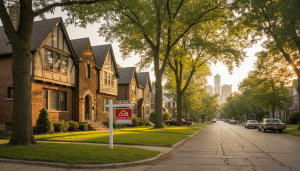
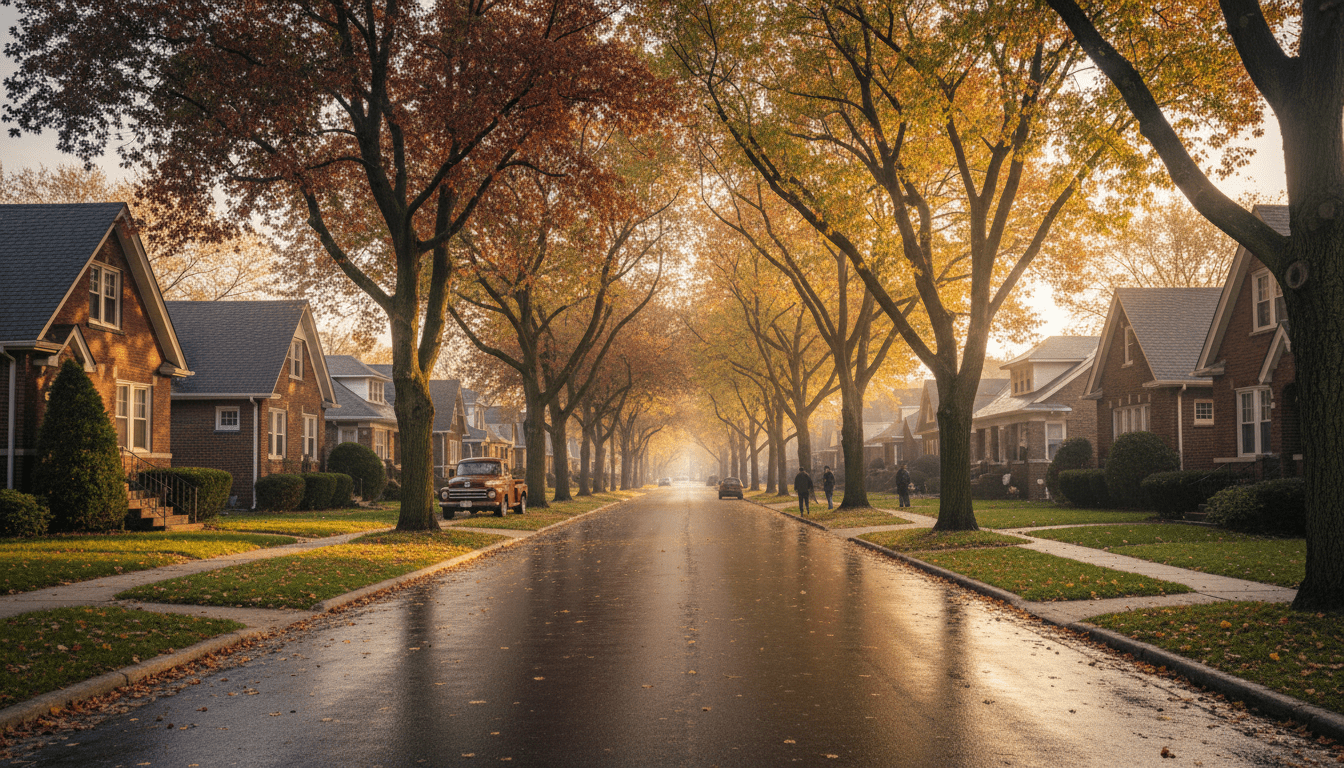
The Bagley neighborhood, characterized by its robust stock of brick bungalows and Tudors, has emerged as a primary target for middle-income buyers. According to property records, the area has maintained steady appreciation rates without the volatile spikes seen in coastal markets. This stability is attributed largely to the Strategic Neighborhood Fund, which has channeled investment into streetscapes and commercial density along Livernois Avenue.
“The market in northwest Detroit is driven by end-users rather than flippers right now,” said a local housing analyst familiar with Wayne County trends. “People are looking for move-in ready homes where the community infrastructure—libraries, grocery stores, and parks—is already in place.”
Similarly, the University District continues to command some of the highest non-waterfront values in the city. Its proximity to the University of Detroit Mercy and the expanse of Palmer Park provides a stabilizing anchor. Real estate observers note that while inventory in the University District remains low, the demand creates a halo effect, pushing interest into adjacent areas like Fitzgerald and Martin Park.
East Side and Riverfront Momentum
On the city’s east side, the search for the best neighborhoods to buy in Detroit often leads prospective buyers to the neighborhoods flanking Jefferson Avenue. The historic West Village and Indian Village remain premium markets, but affordability pressures are pushing activity further east into Islandview and Jefferson Chalmers.
Islandview, situated strategically near Belle Isle and the West Village commercial strip, has seen an uptick in renovation permits. Data from the City of Detroit’s Housing and Revitalization Department indicates a growing interest in rehabilitation projects in these zones. The city’s investment in the Beltline Greenway has also improved connectivity, a key factor for modern urban homebuyers.
However, Jefferson Chalmers faces a unique set of variables. While it offers rare canal-front living and historic charm, flood mitigation remains a topic of conversation for residents and city planners. Despite this, the price point for waterfront access remains significantly lower than regional averages, keeping it firmly on the radar for buyers willing to navigate infrastructure updates.
Impact on Detroit Residents and Housing Equity
The identification of these areas as high-value markets brings complex implications for long-term Detroiters. As property values rise, so do tax assessments, a dynamic that the city has attempted to manage through various abatement programs and the Homeowners Property Exemption (HOPE).
Local housing advocates emphasize that designating areas as the best neighborhoods to buy in Detroit must be balanced with protections for legacy residents. Rising values can build generational wealth for those who already own their homes, but they also raise the barrier to entry for first-time buyers currently renting in these same communities.
“The goal of neighborhood revitalization is to ensure that the rising tide actually lifts the boats of the people who have been here,” stated a representative from a local community development corporation during a recent town hall on housing equity. “When we talk about ‘hot’ neighborhoods, we have to talk about displacement prevention simultaneously.”
To address this, the city has prioritized affordable housing requirements in new multi-family developments, particularly in rapidly appreciating zones like Corktown and North Corktown, where the Ford Michigan Central Station project has dramatically altered the valuation landscape.
Background and Market Data
Statistical context is crucial for understanding the current landscape. According to regional multiple listing service (MLS) data, the median days on market for turnkey homes in Detroit’s prime neighborhoods has stabilized, suggesting a balanced market rather than the frenzied bidding wars seen in 2021.
- Inventory Levels: Inventory remains tighter in historic districts compared to areas with higher concentrations of Land Bank inventory.
- Price Variance: There is a significant delta between renovated turnkey homes and distressed properties. In neighborhoods like Boston-Edison, fully restored homes can command prices upwards of $400,000, while properties requiring major capital improvements remain accessible to investors with cash reserves.
- Interest Rates: High interest rates have cooled speculative buying, leaving the market more open to traditional homebuyers utilizing FHA and conventional financing products.
This shift favors buyers who are committed to the city for the long haul. The “get rich quick” flipping mentality has largely receded in favor of value-add renovations that contribute to the overall quality of the housing stock.
Future Outlook for Buyers
Looking ahead to late 2024 and 2025, analysts predict that the definition of the best neighborhoods to buy in Detroit will continue to expand outward from the Woodward and Jefferson corridors. Areas like Old Redford, anchored by the Artist Village and Meijer store, are showing early indicators of the stabilization patterns previously seen in Bagley.
Furthermore, upcoming infrastructure projects, including the Joe Louis Greenway, are expected to influence buying patterns. Properties adjacent to the planned greenway route are likely to see increased attention as connectivity improves between neighborhoods that were previously isolated from one another.
For potential buyers, the advice from market experts is consistent: focus on neighborhoods with strong block clubs, active commercial corridors, and documented city investment. Understanding the property tax assessment landscape and utilizing local lender programs remains critical for navigating the Detroit market successfully.