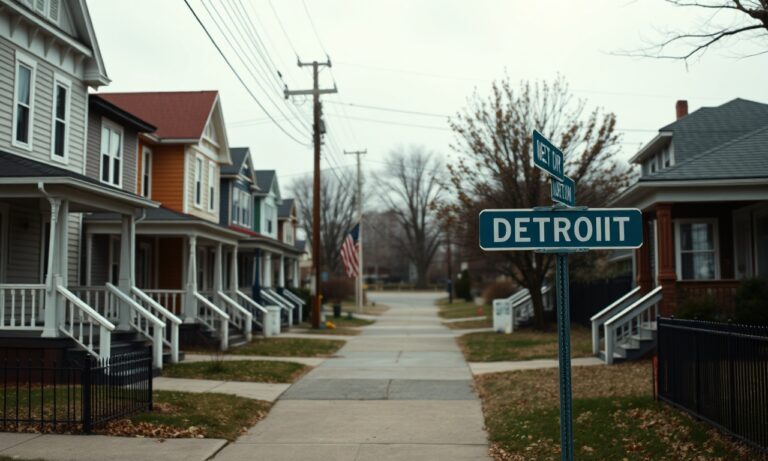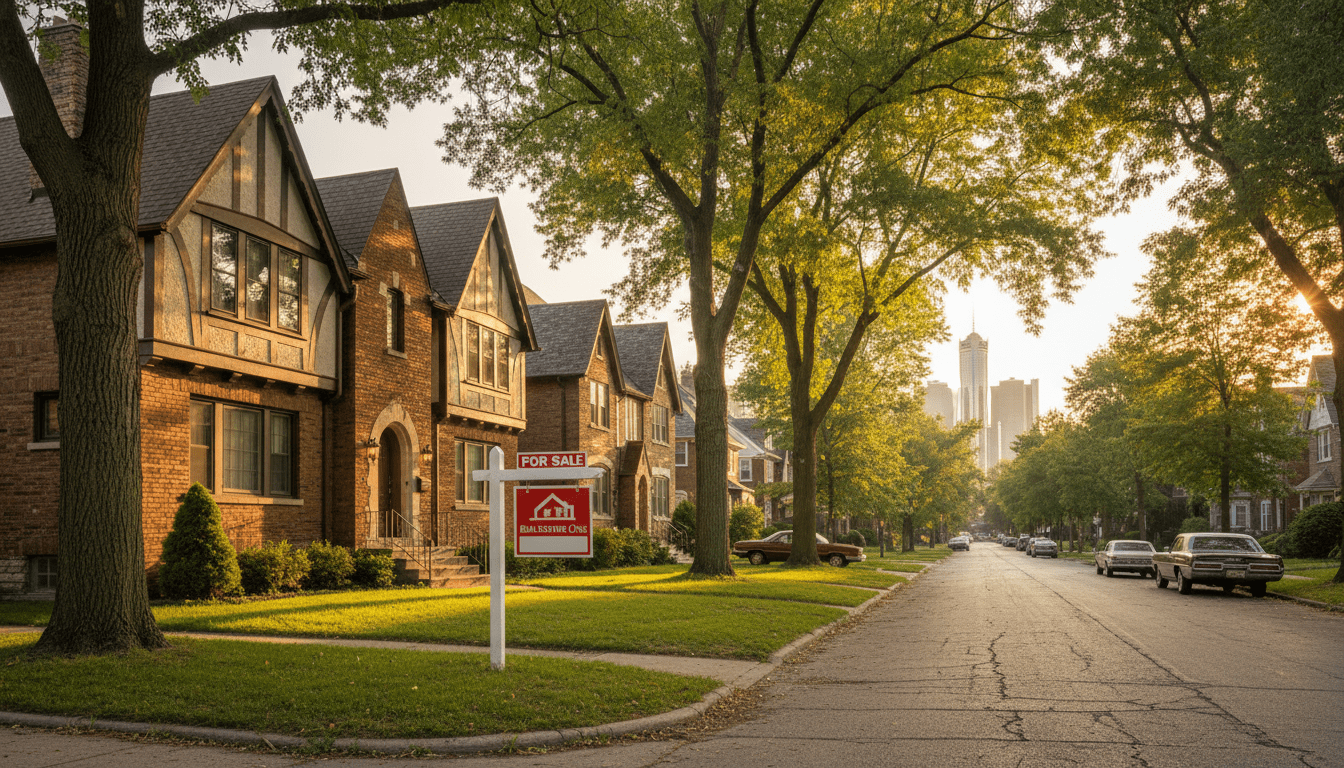
The Detroit real estate market is currently navigating a complex period defined by steady price appreciation and historically low inventory, challenging both first-time homebuyers and long-term residents looking to upgrade. While the national housing sector has cooled in various metropolitan areas due to fluctuating interest rates, Detroit’s market dynamics have remained notably resilient, driven by a combination of targeted neighborhood revitalization efforts and a persistent shortage of move-in ready homes.
According to recent data released by Realcomp, a regional real estate data provider, the median sales price in the city of Detroit has continued an upward trajectory year-over-year. This growth signals increased confidence in the city’s housing stock, yet it raises critical questions regarding affordability and access for local families. As investment flows into areas surrounding the newly revitalized Michigan Central Station in Corktown and continues to stabilize in neighborhoods like the University District and Palmer Woods, the contrast between burgeoning demand and available supply is becoming the defining narrative of 2024.
Current Trends in the Detroit Real Estate Market
The core driver of the current market activity is a scarcity of inventory. Many current homeowners, locked into low mortgage rates from previous years, are reluctant to sell, creating a bottleneck in supply. This lack of inventory forces buyers to compete aggressively for well-priced, renovated properties, often resulting in multiple-offer situations that drive final sale prices above the asking price.
“The inventory shortage is the single biggest factor influencing the Detroit real estate market right now,” said local housing analysts reviewing Q3 data. “While we are seeing more listings come online compared to last winter, the pace of absorption remains high. Quality homes are not sitting on the market for long.”
Data from the City of Detroit’s Housing and Revitalization Department suggests that while new developments are in the pipeline, the current stock of single-family homes requires significant rehabilitation to meet buyer standards. This “renovation gap”—where the cost of repairs exceeds the immediate market value—remains a hurdle for conventional financing, though programs like the Detroit Home Mortgage initiative have attempted to bridge this divide.
Impact on Detroit Residents
For longtime Detroiters, the shifting market presents a double-edged sword. Rising property values contribute to generational wealth generation for those who own their homes, a crucial step in stabilizing the city’s middle class. However, for renters and aspiring first-time buyers, the barrier to entry is climbing.
Tenant advocacy groups have noted that as property values rise, landlords are adjusting rents upward, putting pressure on lower-income residents. The city has responded with initiatives aimed at affordable housing preservation. “Our goal is to ensure that development does not equate to displacement,” a city official stated during a recent town hall regarding neighborhood revitalization projects. “We are prioritizing down-payment assistance programs to help renters transition into homeownership before prices move out of reach.”
Furthermore, the increased valuation of homes impacts property taxes. While the city has improved its assessment accuracy in recent years to prevent over-taxation—a historic issue in Detroit—residents are watching closely to see how rising market values will influence their tax bills in the upcoming fiscal year.
Neighborhood-Level Dynamics
The Detroit real estate market is far from monolithic; activity varies significantly block by block. Areas such as Corktown and Midtown continue to command the highest premiums, buoyed by major commercial investments like Ford’s innovation campus. However, real estate professionals are observing a shift in interest toward adjacent neighborhoods.
Neighborhoods such as Bagley, Fitzgerald, and East English Village are seeing increased activity as buyers seek more square footage and lower price points than what is found in the greater downtown area. This ripple effect is essential for the city’s broader economic health, spreading investment beyond the 7.2 square miles of the city center.
Another specific factor influencing the market is the prevalence of cash buyers. In many Detroit neighborhoods, cash transactions still make up a significant portion of sales, often driven by investors. This dynamic can make it difficult for buyers relying on FHA or conventional mortgages to compete, as sellers often prefer the speed and certainty of cash offers.
Legislative Factors and Future Outlook
Looking ahead, the Detroit real estate market may be heavily influenced by legislative changes proposed by Mayor Mike Duggan’s administration. The proposed Land Value Tax plan, which aims to cut property taxes on homeowners while increasing taxes on vacant land and blighted scrap yards, is a central topic of discussion among real estate investors.
If implemented, proponents argue this tax shift would incentivize the development of vacant lots and reduce the tax burden on improved properties, potentially spurring a new wave of construction and renovation. Opponents, however, worry about the complexities of implementation. For more in-depth analysis on this proposal, read our coverage on the Land Value Tax plan impacts.
What Happens Next
As 2024 progresses, industry experts expect the Detroit real estate market to maintain its current trajectory of modest price growth and tight inventory. Interest rates will play a pivotal role; if rates decrease, a surge of buyers could flood the market, exacerbating the supply shortage.
For now, the advice from local real estate professionals to buyers is grounded in preparation. “Buyers need to have their financing fully approved and be ready to move quickly,” advise local brokers. For sellers, the market remains favorable, provided the property is priced correctly and in good condition.
Detroit continues to offer a value proposition unlike any other major city in the United States, but the window of high affordability is slowly closing as the market matures and stabilizes.