The landscape of Midtown Detroit apartments is undergoing a significant transformation as a wave of new mixed-use developments reaches completion, altering the supply-and-demand balance in one of the city’s most dense neighborhoods. For years, Midtown has been the epicenter of Detroit’s rental renaissance, driven by its proximity to Wayne State University, the Detroit Medical Center (DMC), and cultural institutions. Now, data suggests the market is stabilizing as inventory catches up with demand, creating a complex environment for both developers and tenants.
Following a decade of aggressive construction along the Woodward Corridor, the sheer volume of new units coming online is beginning to temper the rapid rent acceleration seen in previous years. While demand remains robust, particularly from students and medical professionals, the introduction of hundreds of new units in 2023 and 2024 has offered renters more options, forcing older buildings to compete on amenities and price preservation.
Inventory Surge and Market Stabilization
According to recent reports on local housing development, Midtown has seen one of the highest concentrations of multi-family permit approvals in the city over the last five years. This construction boom was a direct response to the historically low vacancy rates that characterized the neighborhood post-bankruptcy.
Local real estate analysts note that the arrival of projects like The fierce competition among property managers is a net positive for prospective tenants. “We are seeing a shift from a landlord’s market to a more balanced playing field in Midtown,” said a representative from a local housing advocacy group during a recent community housing meeting. “While ‘affordable’ is a relative term, the scarcity premium is diminishing as more keys become available.”
This stabilization is critical for the neighborhood’s long-term viability. For residents interested in broader Detroit real estate trends, the Midtown model serves as a case study for how density can eventually influence pricing structures, though the floor for rental prices remains significantly higher than in surrounding neighborhoods like New Center or North End.
Impact on Detroit Residents and Affordability
The influx of luxury and market-rate Midtown Detroit apartments has frequently raised concerns regarding gentrification and the displacement of long-term residents. However, recent city ordinances are beginning to show tangible results in the composition of these new buildings. Under the City of Detroit’s inclusionary housing ordinance, developers receiving discounted land or public subsidies are often required to set aside at least 20% of units for residents earning less than the area median income (AMI).
For the average Detroiter, this means that a portion of the shiny new towers are legally reserved for workforce housing. According to the City of Detroit Housing & Revitalization Department, preserving affordability in high-opportunity neighborhoods like Midtown is a primary strategic goal. The department has emphasized that mixed-income living is essential to preventing the neighborhood from becoming an exclusive enclave for only the highest earners.
“The inclusion of affordable units in these developments isn’t just policy; it’s necessary for the ecosystem of the neighborhood,” noted a source familiar with city planning efforts. “Service workers, students, and hospital staff need to be able to live near where they work. The latest wave of certificates of occupancy includes a higher number of income-restricted units than we saw five years ago.”
Background & Data: Rental Rates and Demographics
Data from national rental aggregators indicates that while the rate of rent growth has slowed, Midtown remains one of the most expensive zip codes in the city. The average rent for a one-bedroom apartment in Midtown still hovers significantly above the citywide average, driven by the amenities included in new construction, such as in-unit laundry, fitness centers, and secured parking.
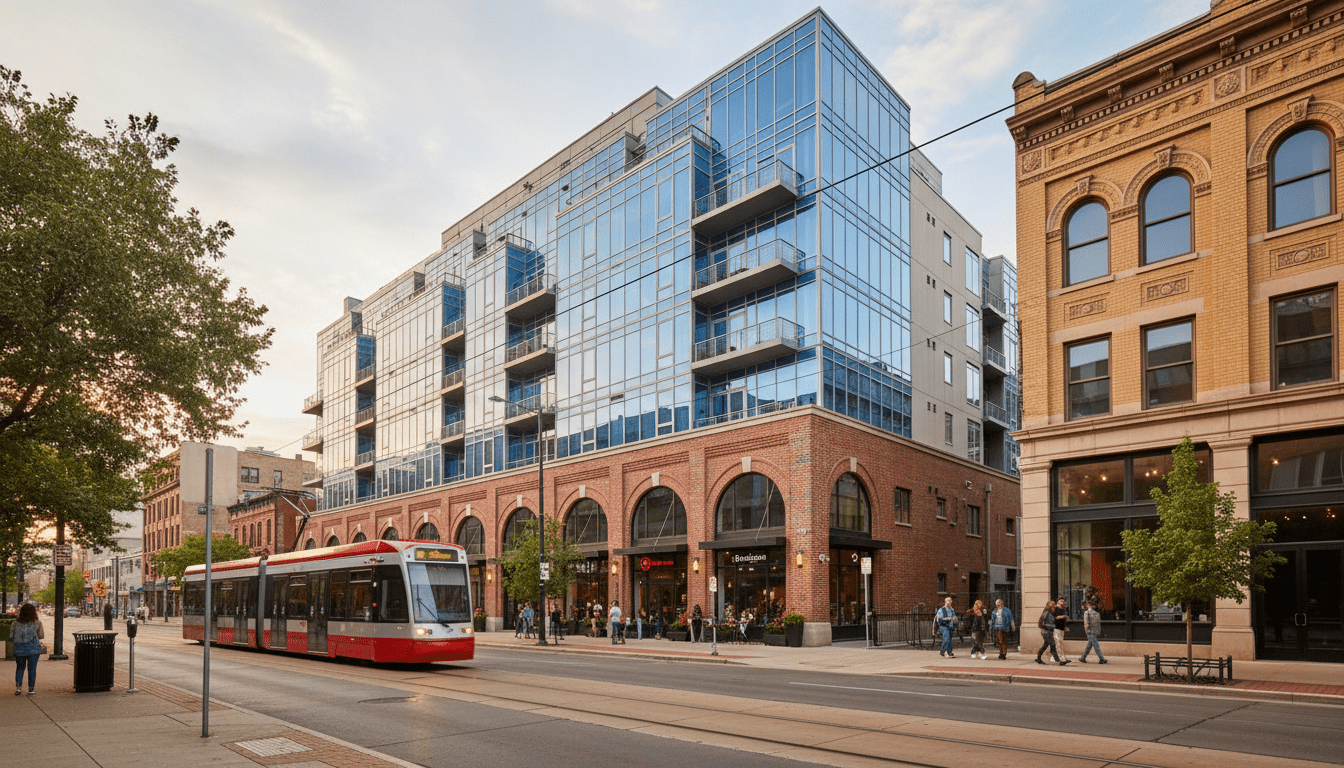
The demographic driving the demand for Midtown Detroit apartments remains consistent. It is heavily anchored by the “Eds and Meds” sector. Wayne State University’s increasing enrollment and the constant rotation of residents and fellows at the DMC provide a built-in tenant base that buffers the market against broader economic downturns. Additionally, the public transportation options, specifically the QLine and impending transit improvements, continue to make the area attractive for those wishing to live car-free.
However, vacancy rates in older, unrenovated buildings have ticked up slightly, suggesting that tenants are willing to pay a premium for new construction, leaving older stock to either renovate or lower prices to remain attractive.
What Happens Next for Midtown Housing
Looking ahead, the development pipeline shows signs of cooling slightly as interest rates impact construction financing, but several major projects are still underway. The focus is shifting toward “The District Detroit” area and connecting Midtown more seamlessly with Downtown. As these neighborhoods merge, the definition of the Midtown rental market is expanding southward.
For tenants, the next 12 to 24 months will likely offer a window of opportunity to lock in leases with concessions, as newer buildings fight to reach stabilized occupancy. For the city, the challenge remains ensuring that the definition of “affordable” aligns with the actual incomes of Detroit residents, rather than just the statistical averages of the Metro Detroit area.