For decades, the narrative surrounding housing on Detroit’s East Side was often one of stark contrast: sturdy, historic brick homes standing alongside vacant lots and blighted structures. However, a significant shift is currently underway as targeted city investments and a renewed interest in historic neighborhoods drive a new chapter for East Side Detroit housing. From Islandview to East English Village, residents are witnessing a transformation that blends rehabilitation with new development, raising important questions about affordability and the future of community stability.
Recent data indicates that the housing market in these neighborhoods is stabilizing, driven largely by the Strategic Neighborhood Fund (SNF) and private investments that are slowly moving outward from the riverfront and downtown areas. While property values are rising, local officials and housing advocates are working to ensure that long-time residents are not left behind in the wake of this progress.
Strategic Investment fueling Market Growth
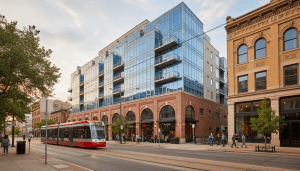
The catalyst for much of the recent activity in East Side Detroit housing can be traced to concentrated efforts to revitalize commercial corridors. The City of Detroit’s planning strategy has focused heavily on areas like East Warren Avenue and the Jefferson Chalmers corridor. By improving streetscapes and incentivizing small businesses, the city aims to make the surrounding residential streets more attractive to homebuyers.
According to the City of Detroit Housing and Revitalization Department, these targeted zones have seen a measurable uptick in permit applications for home renovations over the last 24 months. The logic is circular and effective: better commercial amenities attract homeowners, and more homeowners support local businesses.
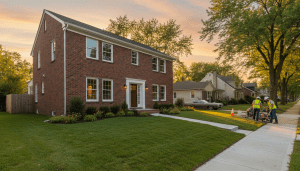
One of the most visible signs of change is the reduction in auction inventory from the Detroit Land Bank Authority in prime East Side neighborhoods. Properties that once sat on the market for months are now seeing competitive bidding. “The demand for solid brick housing stock in MorningSide and East English Village has increased significantly,” noted a representative from a local community development organization during a recent town hall meeting. “People are realizing the value per square foot here is unmatched, provided they have the capital for renovations.”
Impact on Detroit Residents
For existing residents, the shifting landscape of East Side Detroit housing brings a complex mix of relief and anxiety. On one hand, the reduction of blight is universally welcomed. Long-time homeowners are seeing their equity return after years of stagnation. The removal of dangerous structures and the renovation of neighboring homes improve safety and community pride.
However, the rapid increase in valuation has raised concerns regarding property taxes and displacement. While Detroit’s property tax rates have been a point of contention for years, rising assessments in revitalizing neighborhoods can burden seniors and low-income families.
Local advocacy groups emphasize the need for awareness regarding tax exemptions. “It is crucial that legacy residents apply for the HOPE (Homeowners Property Exemption) program if they qualify,” said a local housing counselor. “The revitalization of the East Side should not come at the cost of displacing the people who held these neighborhoods together through the hard times.”
Furthermore, renters are facing a tighter market. As landlords renovate properties to capture higher market rates, the supply of naturally occurring affordable housing shrinks. This dynamic makes the city’s push for dedicated affordable units in new mixed-use developments, such as those planned near the improved transportation corridors, vital for maintaining economic diversity.
Background & Data: The Numbers Behind the Trend
To understand the current trajectory, one must look at the data. Reports from the Detroit Metropolitan Area Association of Realtors have shown a steady climb in median sale prices across key East Side zip codes. While still affordable compared to national averages, the percentage increase year-over-year in neighborhoods like West Village and Indian Village has outpaced many suburban counterparts.
- Rehabbed & Ready: The Detroit Land Bank Authority’s “Rehabbed & Ready” program, which renovates homes before selling them to establish comparable market values (comps), has been instrumental. By proving that a home in a specific area can appraise for a higher amount, it unlocks financing for private buyers who previously struggled to get mortgages that covered renovation costs.
- Vacancy Rates: Census data suggests a gradual decline in vacancy rates in the “Middle Neighborhoods”—areas that are stable but were at risk of tipping into decline. The stabilization of these areas is a key victory for the city’s preservation strategy.
- Rental Market: Rents in renovated units on the East Side have reportedly risen by 10-15% in the last two years, reflecting higher demand and the increasing cost of construction materials.
For more context on how these trends compare to other parts of the city, readers can look at our analysis of Midtown’s development timeline, which served as an earlier model for some of the strategies now being deployed on the East Side.
Challenges in Rehabilitation
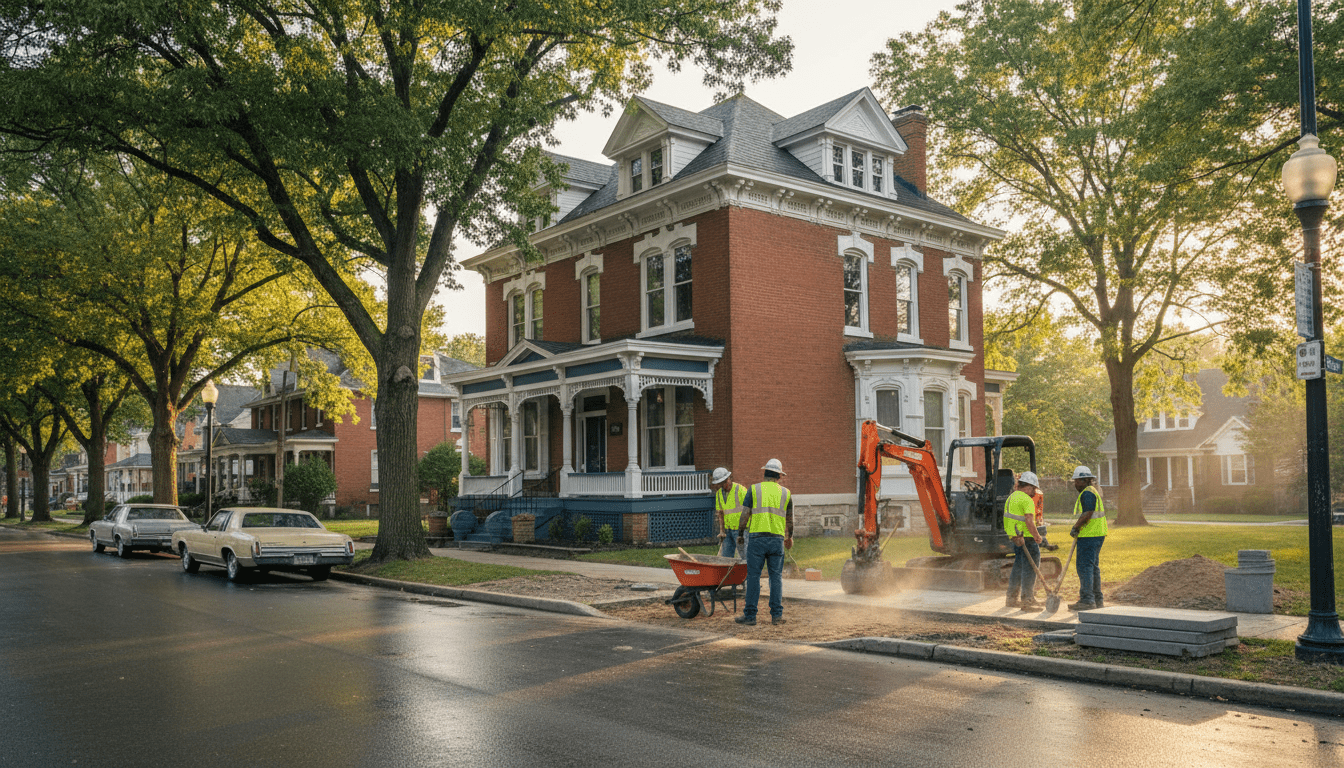
Despite the optimism, rehabilitating East Side Detroit housing remains a logistical challenge. The housing stock, much of it built between 1920 and 1950, requires significant updates to plumbing, electrical, and HVAC systems. The cost of these renovations often exceeds the purchase price of the distressed asset, creating an “appraisal gap.”
Developers and individual homeowners alike cite the rising cost of labor and materials as a hurdle. While the city offers various grant programs and low-interest loans like the Detroit Home Repair Fund, the demand for these resources often outstrips supply. Contractors are also in high demand, leading to longer timelines for project completion.
What Happens Next
Looking ahead, the focus for the East Side is likely to shift toward density and sustainability. With single-family stabilization underway, the next phase involves infill housing on vacant lots. The city has begun exploring modular housing and smaller footprint homes to utilize the ample vacant land in a way that remains affordable.
Additionally, the completion of streetscape projects along East Warren and Kercheval is expected to cement these areas as walkable districts, further boosting the desirability of nearby residential streets. The ultimate success of the East Side Detroit housing revitalization will be measured not just by rising property values, but by the ability of the neighborhood to retain its historic character and diverse population.
As 2024 progresses, all eyes will be on the intersection of public policy and private market forces. Will the East Side follow the rapid gentrification trajectory of Corktown, or will it carve out a more equitable path of sustainable growth? For the residents attending block club meetings and watching the scaffolding go up, the answer is personal.