The narrative surrounding West side Detroit housing is undergoing a significant transformation. For years, headlines regarding the city’s neighborhoods often focused on blight removal and vacant land management. However, entering the second half of the decade, a distinct shift toward stabilization, renovation, and targeted infill development is emerging in communities stretching from Southwest Detroit up to the Bagley and Fitzgerald neighborhoods.
As downtown and Midtown developments reach maturity, attention and capital are increasingly flowing outward. New data from the City of Detroit and real estate market trends suggest that the West Side is becoming a focal point for what planners call “middle neighborhood” stabilization—areas that remained viable during the city’s bankruptcy but are now poised for growth due to the Strategic Neighborhood Fund (SNF) and infrastructure projects like the Joe Louis Greenway.
From Demolition to Renovation
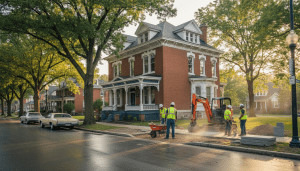
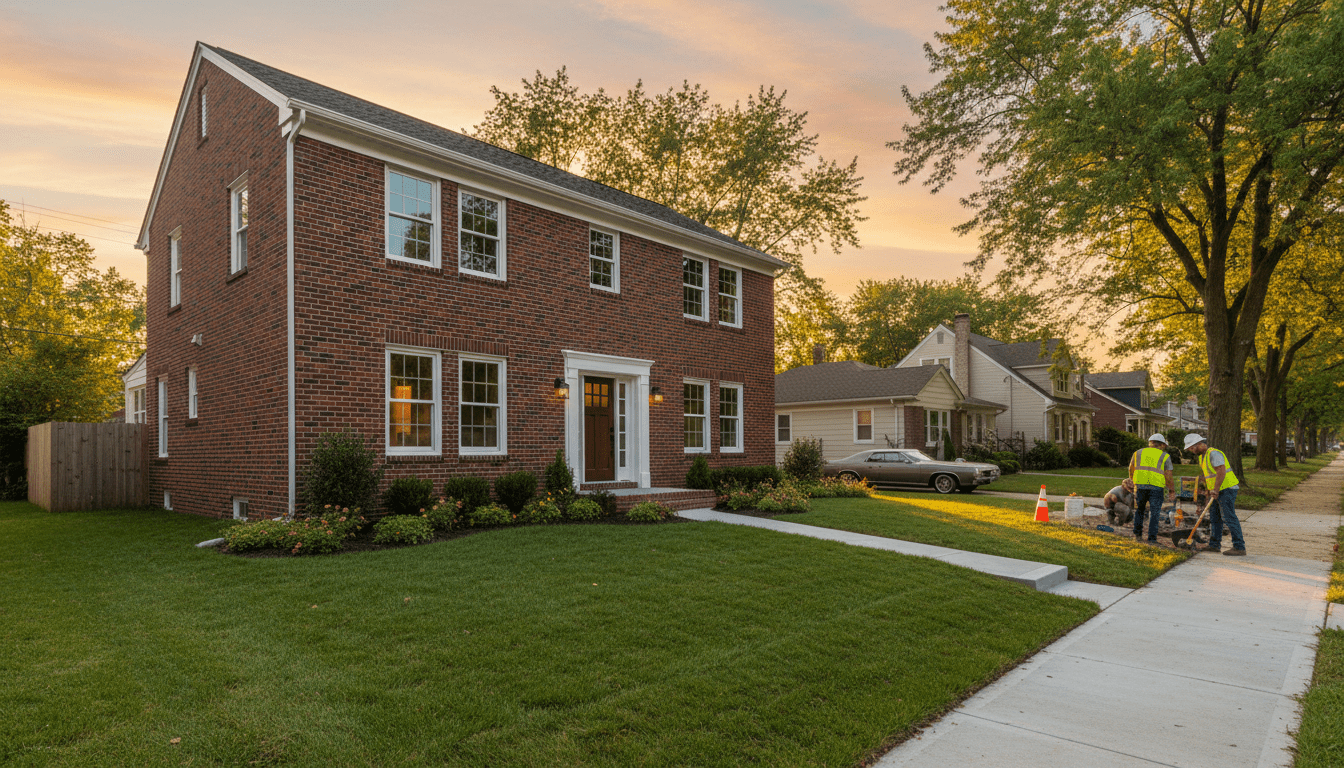
For the past decade, the visual story of many Detroit neighborhoods was defined by the demolition of dangerous structures. While blight removal remains a priority, the ratio is shifting. According to recent reports from the City of Detroit Housing & Revitalization Department, there is a marked increase in the issuance of building permits for residential renovations in West Side zip codes compared to five years ago.
The Detroit Land Bank Authority (DLBA) has also adjusted its strategy. While they continue to auction properties, there is a stronger emphasis on compliance and connecting buyers with financing tools to ensure homes are actually inhabited rather than sat upon by speculators.
“The market is tightening in a way we haven’t seen in a generation,” said a representative from a local community development corporation operating in the Cody Rouge area. “Five years ago, we were begging people to look at these brick bungalows. Now, we are seeing bidding wars in Bagley and solid interest in Warrendale. The challenge has shifted from lack of demand to a lack of move-in ready inventory.”
This inventory crunch is driving up values. While this is good news for long-time homeowners looking to build equity, it presents complex challenges for affordability, a cornerstone of Detroit’s recovery philosophy.
The Appraisal Gap Challenge
One of the most persistent hurdles for West side Detroit housing has been the “appraisal gap”—the economic reality where the cost to renovate a home exceeds its post-renovation market value. This gap has historically made it difficult for buyers to secure traditional mortgages.
However, recent initiatives are beginning to close this gap. Programs utilizing public-private partnerships are subsidizing the renovation costs in targeted zones. By raising the comparable sales data (comps) in a neighborhood through these subsidized renovations, the market eventually corrects itself, allowing private mortgages to cover the full cost of future sales.
Data from the University of Michigan’s Poverty Solutions has long highlighted the appraisal gap as a barrier to Black homeownership in the city. The current administration’s focus on “bridging the gap” through down payment assistance and home repair grants is specifically designed to address this structural inequity. As comparable sales rise in neighborhoods like Russell Woods and Aviation Sub, the ripple effect stabilizes values in adjacent, less expensive areas.
Impact on Detroit Residents
The shifting dynamics of the housing market have a direct and tangible impact on local residents. For long-term Detroiters, rising property values offer a chance to build generational wealth—something that was systematically eroded during the foreclosure crisis of the late 2000s.
However, the rapid pace of change brings anxiety regarding property taxes and displacement. The City of Detroit has actively promoted the HOPE (Homeowners Property Exemption) program to help low-income residents avoid tax foreclosure, but communication gaps remain.
“It’s a double-edged sword,” explains a block club president in the Dexter-Linwood area. “We want the investment. We want the roof grants and the new sidewalks. But we also want to make sure that the grandmother who has been here for 40 years isn’t priced out of her own community just because the house next door sold for $150,000.”
To mitigate this, local housing nonprofits are ramping up education on financial literacy and grant programs available to existing homeowners. Ensuring that legacy residents can access funds for roof repairs, furnace replacements, and lead abatement is critical to keeping the neighborhood stabilization equitable.
The Joe Louis Greenway Effect
A major catalyst for the renewed interest in West Side real estate is the construction of the Joe Louis Greenway. This 27.5-mile recreational loop is doing for the neighborhoods what the Riverwalk did for the waterfront. Properties located within a few blocks of the Greenway path are seeing increased speculation and investment.
Real estate agents report that out-of-state buyers and young professionals are specifically asking for homes near the Greenway access points. This infrastructure project is viewed not just as a park, but as a transit corridor that connects the neighborhoods to the city center without reliance on a car.
For more on the timeline of this project, readers can view our previous coverage on Joe Louis Greenway construction updates. As sections of the loop open, adjacent housing markets often see an immediate uptick in inquiries and listing prices.
Background & Data Trends
According to U.S. Census Bureau data, Detroit’s homeownership rate has seen a modest but important stabilization after years of decline. In specific West Side census tracts, homeownership has actually ticked upward for the first time in over a decade.
Furthermore, the Detroit Land Bank Authority reports that compliance rates—measures of whether a buyer has actually renovated and occupied a home—are higher in the West Side target zones than the city average. This suggests that the buyers entering this market are end-users looking to live in the community, rather than investors looking to flip or rent exclusively.
The “Strategic Neighborhood Fund 2.0” has allocated millions specifically for streetscape improvements in these areas. The correlation between streetscape beautification (better lighting, bike lanes, planted medians) and rising housing values is well-documented in urban planning, and Detroit is now seeing the fruits of these investments on corridors like McNichols and Grand River.
What Happens Next
Looking ahead to the next fiscal year, the focus for West side Detroit housing will likely turn to density. With single-family stock stabilizing, developers are beginning to look at small-scale multi-family buildings—duplexes and quadplexes—that have sat vacant for decades.
Revitalizing this “missing middle” housing is essential for providing affordable rental options. As prices for single-family homes rise, the need for quality, affordable rental units becomes more acute. The city’s planning department has indicated a desire to streamline zoning and permitting for these types of medium-density renovations.
For the residents of the West Side, the coming years promise visible change. The challenge for city leaders and community organizers will be ensuring that this change benefits the many, rather than the few, preserving the cultural fabric of Detroit’s most historic neighborhoods while welcoming the necessary economic growth.