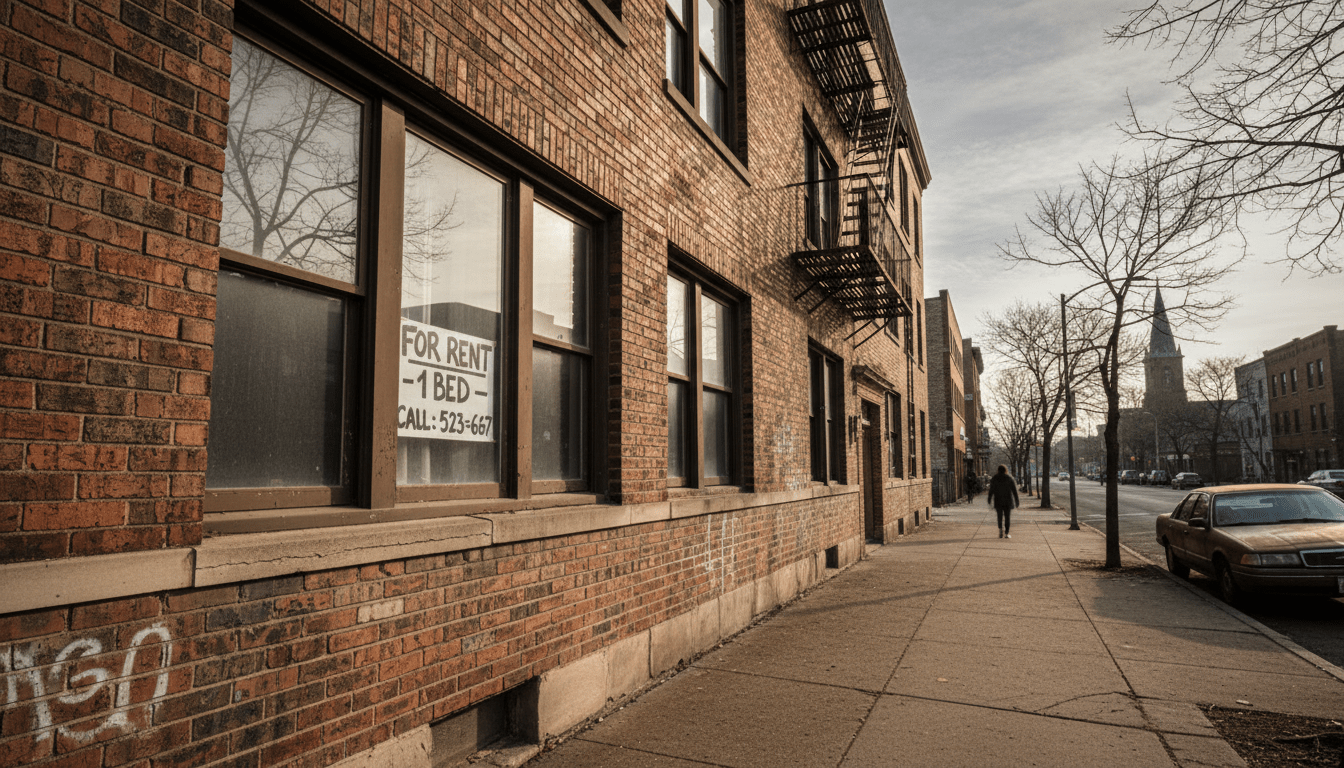
For decades, Detroit was synonymous with low cost-of-living relative to other major metropolitan areas. However, as 2024 progresses, the landscape for renters is shifting dramatically. Finding safe, cheap apartments in Detroit—defined by local advocates as units costing less than 30% of a minimum wage worker’s income—has evolved from a matter of availability to a complex policy challenge involving city officials, developers, and housing advocates.
While the city remains more affordable than coastal hubs, data indicates that the gap between wages and rental costs in the Motor City is widening, prompting urgent action from the municipal government to preserve existing affordable stock before it converts to market rates.
The Changing Rental Landscape
According to recent market analysis data, while the median rent in Detroit has seen stabilization in some quarters, the lower tier of the market is seeing increased pressure. The availability of what are colloquially termed “cheap apartments”—often classified as studios or one-bedrooms under $800 a month—has shrunk significantly in the Greater Downtown area, pushing demand further into neighborhoods like Jefferson Chalmers and Southwest Detroit.
Data from the U.S. Census Bureau suggests that a significant portion of Detroit renters are “rent-burdened,” meaning they spend more than 30% of their gross income on housing costs. This statistical reality underscores the difference between “market rate” and true affordability for long-term residents.
“The days of easily finding a renovated unit in Midtown for $600 are largely behind us,” said a representative from a local housing advocacy group who asked to speak on background regarding ongoing negotiations with developers. “The inventory for what people consider cheap apartments in Detroit is drying up because renovation costs have skyrocketed. Landlords can no longer afford to charge 2015 prices while paying 2024 construction labor rates.”
City Efforts to Preserve Affordability
Recognizing this trend, the City of Detroit has aggressively pursued strategies not just to build new housing, but to preserve the affordability of existing units. The concern is that as 30-year Low-Income Housing Tax Credit (LIHTC) covenants expire, buildings that once provided guaranteed cheap apartments in Detroit could flip to market rates, displacing hundreds of seniors and low-income families.
The Detroit Housing for the Future Fund (DHFF), a private-public partnership, has been a critical tool in this effort. By providing low-interest loans and grants to developers, the fund ensures that a percentage of units in renovated buildings remain reserved for residents making 60% or less of the Area Median Income (AMI).
According to the City of Detroit’s Housing and Revitalization Department, the goal is to prevent the displacement seen in other rapidly gentrifying cities. Mayor Mike Duggan’s administration has frequently touted the importance of keeping longtime Detroiters in their homes even as property values rise.
For more on how local economic shifts are influencing housing, read our coverage on Detroit’s evolving economic landscape and the impact on local wages.
Impact on Detroit Residents
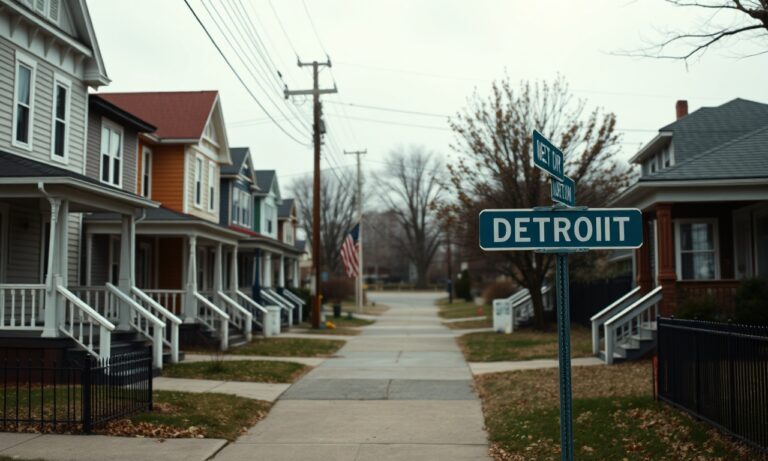
For the average resident, the macro-economic data translates into a difficult daily search. The scramble for quality, cheap apartments in Detroit has created a competitive environment that was rare ten years ago. Open houses for reasonably priced duplexes in neighborhoods like Bagley or East English Village now often see multiple applications within hours of listing.
Local residents report that the definition of “cheap” is changing. “Three years ago, I was looking for something around $700,” said Marcus Thorne, a hospitality worker living in New Center. “Now, if you find something decent for under $1,000 that includes heat, you feel like you won the lottery. It’s forcing people to move further out from their jobs downtown, which then increases their transportation costs.”
This displacement effect is what city planners are desperate to mitigate. When residents are priced out of the city core, it strains the transit infrastructure and alters the cultural fabric of historic neighborhoods.
Comparing Neighborhood Markets
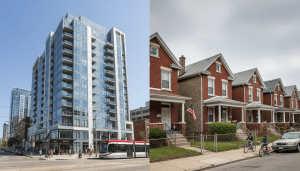
The search for affordable housing varies wildly depending on the zip code. While Downtown and Midtown have seen rents align more closely with national averages, other areas offer more opportunities, though often with tradeoffs regarding amenities or transit access.
- Northwest Detroit: Areas like Fitzgerald are seeing new investment focused on rehabilitation, bringing more moderate-income units online.
- Southwest Detroit: Traditionally a hub for affordable multi-family housing, this area is facing pressure from speculation, though community land trusts are working to stabilize prices.
- East Side: Neighborhoods near the river are seeing rapid development, but pockets of affordability remain further inland.
For a deeper dive into neighborhood-specific developments, see our report on Detroit neighborhood revitalization projects.
What Happens Next
The future of cheap apartments in Detroit depends heavily on the balance between supply and subsidy. With interest rates remaining high, new construction has slowed nationally, placing a premium on existing stock. For Detroit, the success of the next five years will likely be measured by the City’s ability to renew affordability covenants on thousands of units set to expire.
Real estate analysts predict that while rent hikes may slow down in 2025 due to a potential softening of the national economy, the baseline floor for rent in Detroit has permanently risen. For residents, this means the search for affordability will require more diligence, and for the city, the protection of housing stock will remain a top-tier political priority.