After years of volatile shifts following the pandemic, Detroit rental prices are beginning to show signs of stabilization, though affordability remains a critical challenge for a significant portion of the city’s population. While the rapid spikes seen in 2022 and early 2023 have cooled in some neighborhoods, the gap between median income and median rent continues to place pressure on long-term residents.
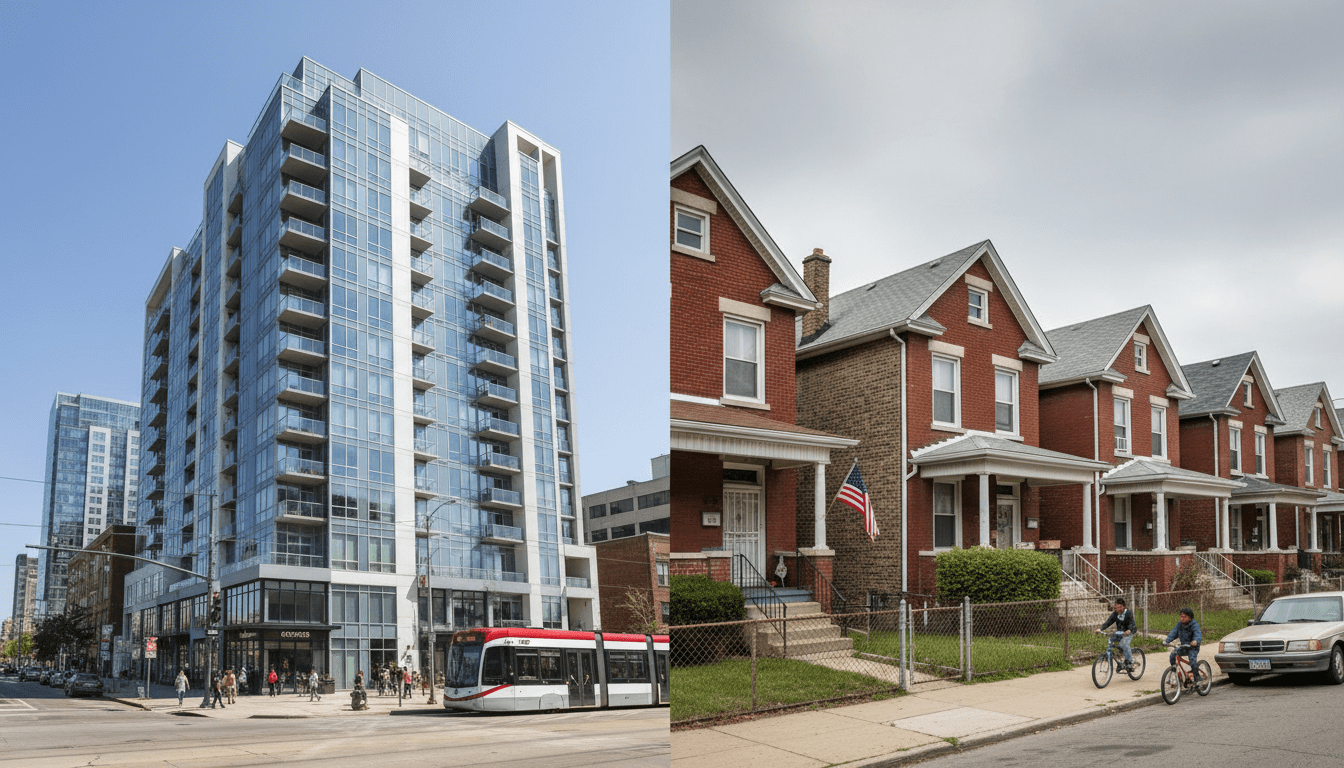
According to recent data from national listing platforms and local housing advocates, the Detroit market is currently experiencing a divergence. Luxury units in the downtown and Midtown corridors maintain premium pricing, while single-family rental homes in outlying neighborhoods face varied pricing pressures. This complex landscape presents a mixed bag for tenants, some of whom are finding relief while others face the threat of displacement.
Current Market Data and Trends
Data released this quarter indicates that the median rent for a one-bedroom apartment in Detroit hovers around the $1,100 to $1,200 mark, with two-bedroom units averaging slightly higher. While this remains significantly lower than the national average, the year-over-year growth rate has flattened compared to the double-digit increases seen in previous years.
Reports from Apartment List suggest that Detroit’s rent growth has decelerated in alignment with broader Midwestern trends. However, these aggregate numbers often obscure the hyper-local nature of Detroit’s housing market. In highly desirable areas like Corktown and Brush Park, rents have remained robust due to limited inventory and high demand from young professionals moving into the city.
Conversely, in neighborhoods further from the Woodward corridor, landlords are facing a different reality. High maintenance costs for aging housing stock and a tenant base with stagnant wages have created a ceiling on how much rents can realistically increase without resulting in vacancies.
“The market is correcting itself after the post-pandemic surge,” noted a local real estate analyst during a recent housing forum. “We are seeing more concessions from landlords in newer developments, such as a month of free rent, which was unheard of just two years ago. However, the baseline rent remains high relative to the local area median income (AMI).”
The Affordability Gap and Resident Impact
The stabilization of Detroit rental prices does not necessarily equate to affordability. The primary issue facing Detroiters is the disparity between housing costs and income. Data from the U.S. Census Bureau indicates that Detroit’s median household income remains well below the national average. When rents rise—even marginally—it disproportionately affects households that are already rent-burdened.
The U.S. Department of Housing and Urban Development (HUD) defines a household as rent-burdened if they spend more than 30% of their income on housing. In Detroit, a significant percentage of renters fall into this category. For a family earning the median income, finding a compliant rental unit that is safe, up to code, and affordable is increasingly difficult.
Local housing advocates argue that the “average” rent prices cited in national reports often skew high because they rely heavily on listings from large apartment complexes, leaving out the informal market of single-family home rentals that make up a large portion of Detroit’s rental stock. In this informal market, prices are often lower, but the quality of housing can be inconsistent, leading to issues with lead paint, heating, and structural integrity.
City Initiatives and Affordable Housing
Recognizing the strain that rising costs place on residents, the City of Detroit has launched several initiatives aimed at preserving and creating affordable housing. The administration has emphasized that new developments receiving public tax incentives must include a set aside of units for lower-income residents, typically pegged to 60% or 80% of the Area Median Income (AMI).
Furthermore, efforts to improve the quality of rental stock are underway. The city’s rental ordinance requires landlords to register their properties and pass inspections to obtain a Certificate of Compliance. While this is designed to ensure safety, some landlords argue that the compliance costs force them to raise rents, creating a cycle that contributes to higher Detroit rental prices.
For more on how local policies are shaping the built environment, readers can view our coverage on recent Detroit development projects impacting neighborhood density.
Impact on Neighborhoods and Long-Term Residents
The impact of shifting rental markets varies drastically by zip code. In neighborhoods like Islandview and the Villages, investment has brought rehabilitated properties back online, but it has also sparked concerns about gentrification. Long-term residents, many of whom are seniors on fixed incomes, worry that as property values rise, so too will the rents, eventually pricing them out of communities they have lived in for decades.
Community organizations are stepping in to bridge the gap. Groups utilizing the Community Development Block Grant (CDBG) funds are working to rehab homes specifically for low-income rentals. However, the demand far outstrips the supply.
Local business owners are also feeling the ripple effects. When residents spend a larger portion of their income on rent, there is less disposable income circulating within the local economy. “When rent goes up, our regulars come in less often,” said the manager of a diner in Southwest Detroit. “It’s a chain reaction. Housing costs determine everything else.”
Looking Ahead: The 2024-2025 Outlook
Real estate experts predict that Detroit rental prices will likely remain relatively flat or see low single-digit growth over the next twelve months. The influx of new apartment units expected to come online in 2024 may increase vacancy rates slightly, giving tenants more leverage in negotiations.
However, the broader economic context matters. Interest rates, inflation, and the cost of construction materials will continue to influence how much landlords charge. If the cost to repair a roof or replace a furnace remains high, those costs will inevitably be passed down to tenants.
For residents, the key remains vigilance and utilizing available resources. The city encourages tenants facing eviction or unjust rent hikes to seek assistance through the Detroit Housing & Revitalization Department. As the city continues to evolve, balancing revitalization with equitable housing access remains the central challenge for policymakers.
Stay updated on the local economy by reading our analysis of Detroit’s economic forecast for the coming fiscal year.