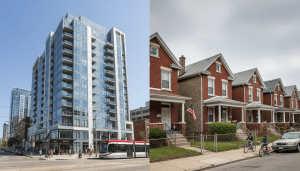
As Detroit’s economic landscape continues to evolve through significant commercial investments and infrastructure projects, the city’s residential rental market is undergoing a parallel transformation. For prospective tenants and current residents alike, identifying the best areas to rent in Detroit has become a complex equation involving affordability, proximity to employment hubs, and neighborhood stability. Current data indicates a shift from a market solely dominated by Downtown high-rises to one where historic neighborhoods and revitalization zones are offering competitive value.
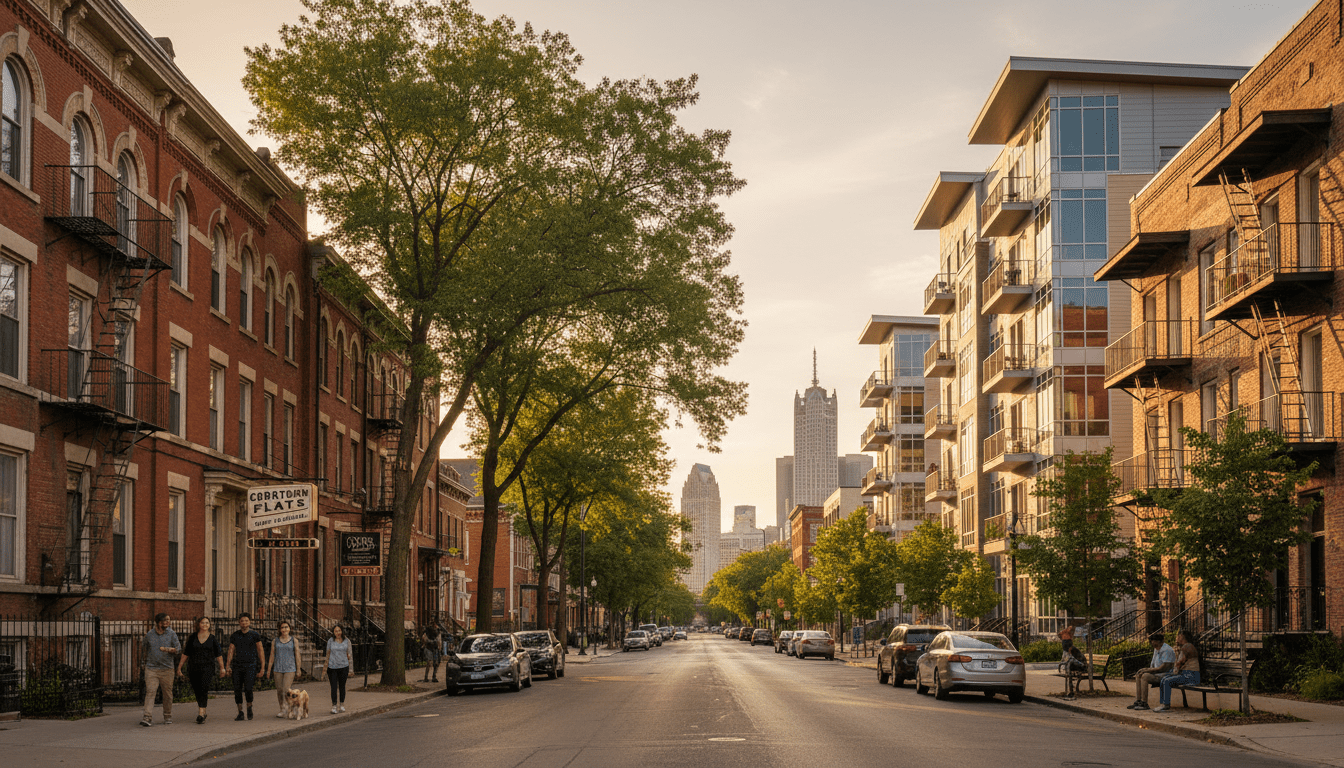
While the resurgence of the Central Business District has been a headline narrative for the past decade, recent housing reports suggest that the rental demand is spreading outward. Tenants are increasingly prioritizing walkability, community amenities, and green spaces, driving interest toward areas like Corktown, West Village, and New Center. This decentralization of demand is reshaping local pricing structures and availability.
Analyzing the Best Areas to Rent in Detroit for Value and Access
The definition of prime rental real estate in the city is changing as new developments come online. Real estate analysts point to a “spillover effect” where the premium costs of Downtown living are pushing professionals and families into adjacent historic districts. According to recent market analysis, this trend has solidified several key neighborhoods as the primary targets for renters in 2024.
Midtown and New Center
Midtown remains a heavy anchor for the rental market due to its density of institutions, including Wayne State University and the Detroit Medical Center. However, the narrative here is shifting from student housing to luxury and mid-tier professional apartments. The expansion of the QLine and increased connectivity has made New Center, located just north of Midtown, a major contender. With the renovation of historic structures like the Fisher Building and new mixed-use builds, New Center offers similar amenities to Midtown often at a slightly lower price point per square foot.
Corktown’s Post-Restoration Surge
Following Ford Motor Company’s acquisition and restoration of Michigan Central Station, Corktown has arguably become the most watched neighborhood in the state. The influx of tech workers and ancillary businesses has tightened supply, yet it remains one of the most desirable locations. For those seeking historic charm combined with modern infrastructure, industry observers consistently rank Corktown among the top tier.
“The housing stock in Corktown is limited, which keeps demand high,” notes a recent summary from local real estate observers. “However, new multi-family units coming to market near the train station are expected to alleviate some pressure, offering more options for those wanting to be near the new innovation hub.”
The Villages and Riverfront
For renters prioritizing green space and a quieter atmosphere, West Village and Indian Village—collectively known as The Villages—offer a distinct alternative to the vertical living of the city center. The connectivity provided by the Riverwalk, which was recently voted the best in the nation, has enhanced the appeal of riverfront properties. Recent Detroit riverfront development updates indicate that this area is seeing a surge in moderate-income housing units, aiming to balance the luxury inventory.
Impact on Detroit Residents and Affordability
While the identification of high-demand neighborhoods indicates economic growth, it raises critical questions regarding accessibility for long-term Detroiters. The rise in property values in these “best areas” often correlates with rising rents that can outpace local wage growth. This dynamic has placed pressure on the city to ensure that development does not equate to displacement.
The administration has implemented various mandates requiring affordable units in new developments receiving public tax subsidies. According to the City of Detroit Housing and Revitalization Department, preserving affordability in rapidly gentrifying neighborhoods is a primary policy goal. For local residents, this means that while inventory is increasing in desirable zones, navigating the application processes for income-restricted units remains a necessary step for many to access these prime locations.
Community advocacy groups have voiced concerns that the designation of certain neighborhoods as “prime” rental zones can accelerate speculative buying. However, the increased supply is theoretically designed to stabilize prices across the board by meeting the pent-up demand.
Background Data on Rental Trends
Data from national listing platforms illustrates the current trajectory of Detroit’s rental economy. As of late 2023 and moving into 2024, the median rent in Detroit has seen stabilization after the sharp spikes of the post-pandemic era. Reports from RentCafe and Zumper suggest that while Detroit remains one of the more affordable major cities in the United States, the gap between neighborhood pricing is widening.
- Downtown/Midtown: Commands the highest premiums, often exceeding $2.00 per square foot.
- Corktown/Lafayette Park: High demand allows landlords to maintain firm pricing, though new supply may soften this.
- Outer Neighborhoods: Areas like Bagley and the University District offer significantly more square footage for the price, though often with fewer immediate transit amenities.
This data suggests that finding the best areas to rent in Detroit is largely dependent on a tenant’s specific ratio of budget to required amenities. The “best” area statistically for price-per-square-foot remains the outer neighborhoods, while the “best” for walkability remains the greater downtown corridor.
Future Outlook and Development Pipeline
Looking ahead, the rental map of Detroit is likely to expand further. The completion of the Hudson’s site and the continued build-out of The District Detroit will add significant inventory to the market. Furthermore, neighborhood strategic funds are targeting areas like the Livernois-McNichols corridor, aiming to create new nodes of density and walkability outside the city center.
For potential renters, the advice from market analysts is to look for neighborhoods adjacent to current hotspots. As Detroit housing market forecasts suggest, the stabilization of the market provides a window of opportunity for tenants to lock in leases in emerging neighborhoods before they reach full maturity.
Ultimately, the rental landscape in Detroit is becoming more diverse, offering distinct lifestyle options ranging from high-rise luxury to historic single-family homes, reflecting a city that is rebuilding its residential identity layer by layer.