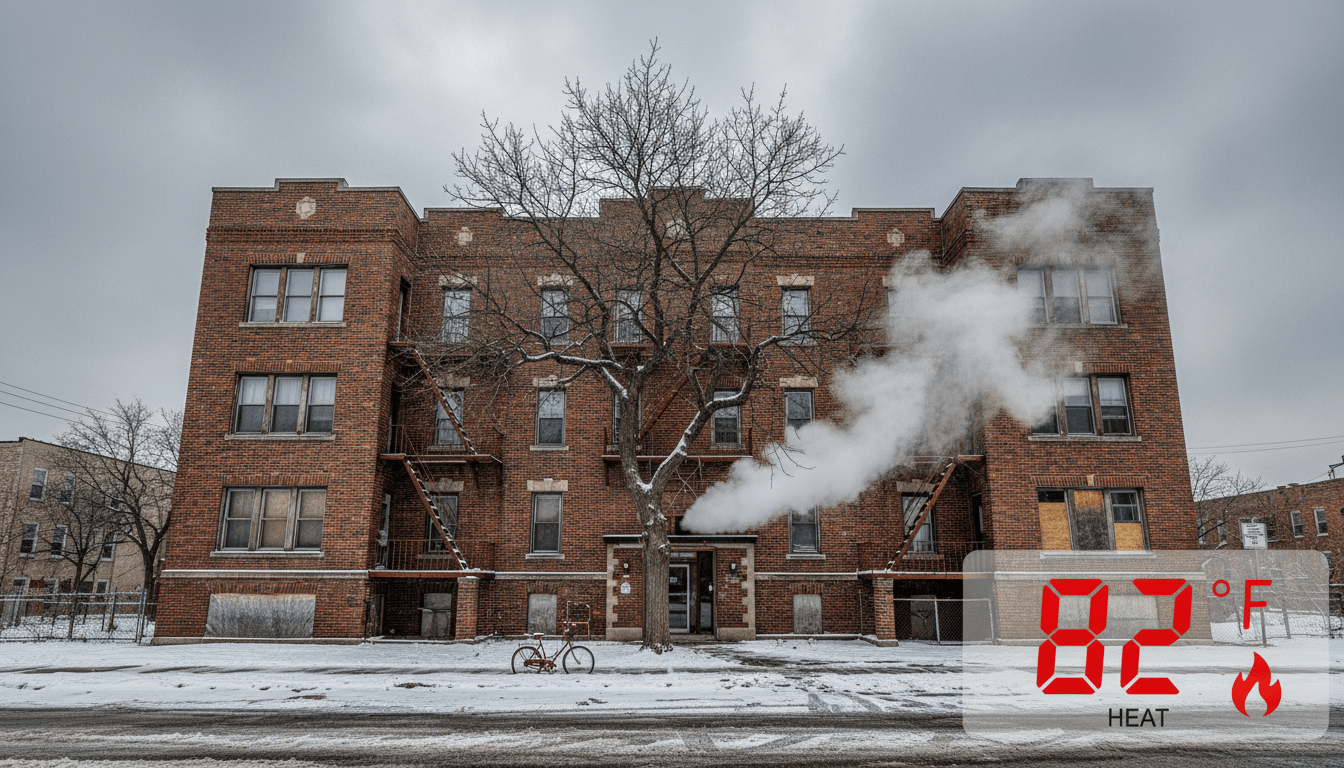
As temperatures across Southeast Michigan begin to drop, a familiar anxiety is settling in for thousands of tenants across the city: the impending spike in Detroit apartment utilities. While rent prices often dominate headlines regarding the city’s housing market, the hidden cost of heating and cooling Detroit’s aging rental stock is becoming a critical financial issue for residents, policymakers, and housing advocates alike.
For many Detroiters, the monthly rent check is only half the battle. The volatility of energy prices, combined with older infrastructure and shifting landlord policies, has placed a spotlight on utility affordability. According to recent data analysis regarding energy poverty, Detroit residents face some of the highest "energy burdens" in the nation—defined as the percentage of household income spent on utility bills.
The Reality of Detroit Apartment Utilities
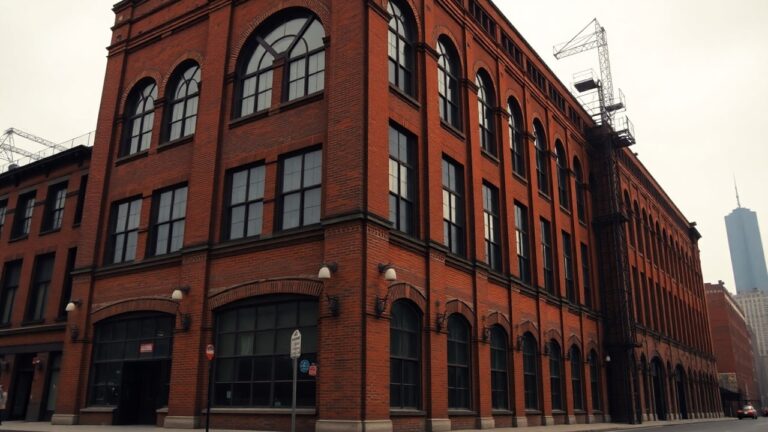
The landscape of Detroit apartment utilities is unique due to the city’s architectural history. Unlike newer developments in the suburbs or other major metros, a significant portion of Detroit’s rental inventory consists of structures built before 1940. While these buildings offer historic charm and character, they frequently lack modern insulation, energy-efficient windows, and updated HVAC systems.
Data from the U.S. Census Bureau indicates that older housing stock is disproportionately occupied by renters in Detroit. This creates a phenomenon known as the "split incentive" problem. Landlords, who own the building, often lack the financial incentive to invest in expensive energy-efficiency upgrades like new insulation or double-pane windows because they are not the ones paying the monthly heating bills—the tenants are.
Conversely, tenants are hesitant or unable to make capital improvements to properties they do not own. The result is a cycle of energy waste where heat literally leaks out of windows and walls, driving up costs for those least able to afford it.
Local energy providers, including DTE Energy, have implemented various rate adjustments over the last two years. While these adjustments are often necessary for infrastructure maintenance, they compound the financial strain on renters who are already navigating inflation in other sectors.
Impact on Detroit Residents
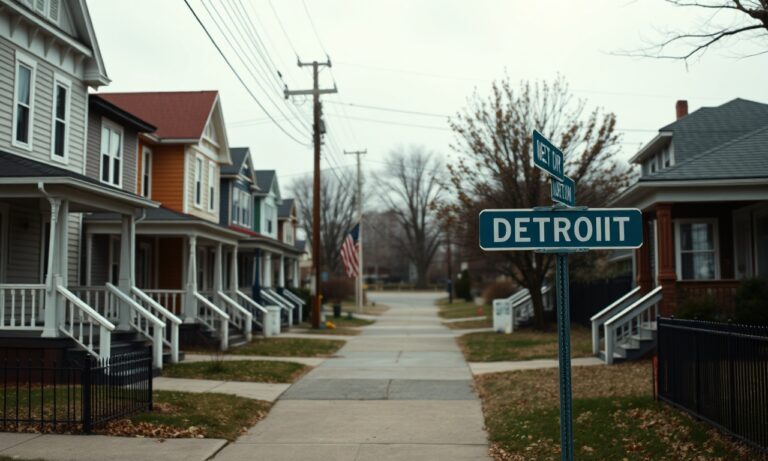
For local families, the unpredictability of utility costs can destabilize household budgets. In neighborhoods across the city, from the intricate brick apartments of Palmer Park to the duplexes of the West Side, the story is similar. A reasonably priced apartment on paper can become unaffordable once the heating bills arrive in January and February.
Housing advocates argue that when evaluating housing affordability, the total cost of occupancy—rent plus utilities—must be the standard metric. "You cannot separate the rent from the lights and heat," is a common sentiment among local tenant organizers. When a family has to choose between paying rent to avoid eviction or paying DTE to keep the heat on, the housing stability of the entire community is threatened.
Furthermore, there is a growing trend among property management companies in the city to shift away from "all-utilities-included" models. Instead, many are adopting Ratio Utility Billing Systems (RUBS), where utility costs for the entire building are divided among tenants based on square footage or occupancy, rather than individual usage. This leaves some tenants paying for inefficiencies they cannot control.
For more on the broader housing context, read our report on the Detroit affordable housing crisis.
Background & Data: The Energy Burden
The concept of "energy burden" is central to understanding the scope of this issue. Research from the American Council for an Energy-Efficient Economy (ACEEE) has historically placed Detroit among the top U.S. cities for high energy burdens, particularly for low-income households and communities of color.
Statistics show that while the average U.S. household spends roughly 3% of their income on energy bills, low-income households in Detroit can spend upwards of 10% to 15%. This disparity is driven not just by rates, but by the inefficiency of the housing units. A drafty apartment requires significantly more natural gas or electricity to maintain a safe temperature than a modern, weatherized unit.
The City of Detroit has recognized this issue. The Housing & Revitalization Department continues to seek ways to integrate green building standards into affordable housing developments. However, retrofitting the vast existing market remains a logistical and financial hurdle.
Resources and Future Outlook
Despite the challenges, there are resources available for residents struggling with high Detroit apartment utilities. The state and local non-profits offer several assistance programs designed to keep residents housed and warm.
Key programs include:
- WRAP (Water Residential Assistance Program): While focused on water, reducing one utility burden can free up funds for others.
- MEAP (Michigan Energy Assistance Program): Provides direct payment assistance for energy bills.
- Weatherization Assistance Program (WAP): This federal program helps low-income households reduce energy costs by increasing the energy efficiency of their homes, though it requires landlord cooperation for rentals.
Looking ahead, the push for "green leases"—contracts that align the incentives of landlords and tenants for energy upgrades—is gaining traction in urban planning circles, though widespread adoption in Detroit is still in early stages. Furthermore, new developments in the city are increasingly being held to higher sustainability standards, promising lower utility costs for future tenants.
As the city continues its revitalization efforts, ensuring that utility infrastructure and housing efficiency evolve together will be paramount. For ongoing coverage of city infrastructure, see our updates on neighborhood development projects.
Until systemic fixes are fully realized, Detroit renters are advised to request utility history disclosures before signing leases and to seal windows with plastic insulation kits—a small, low-cost measure that remains a winter ritual for thousands in the city.