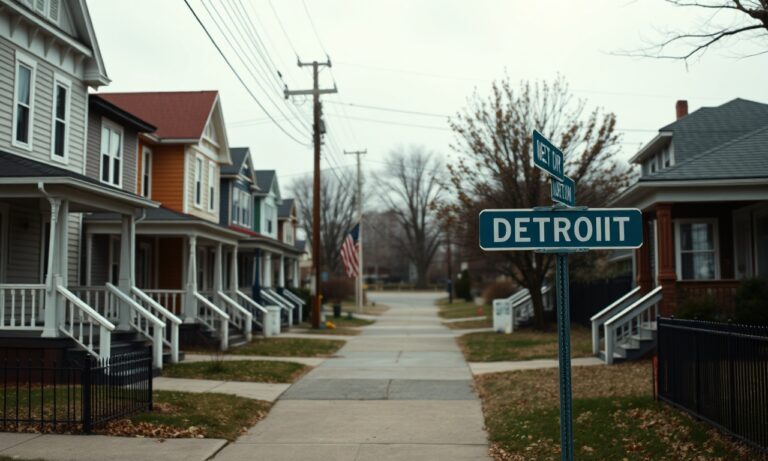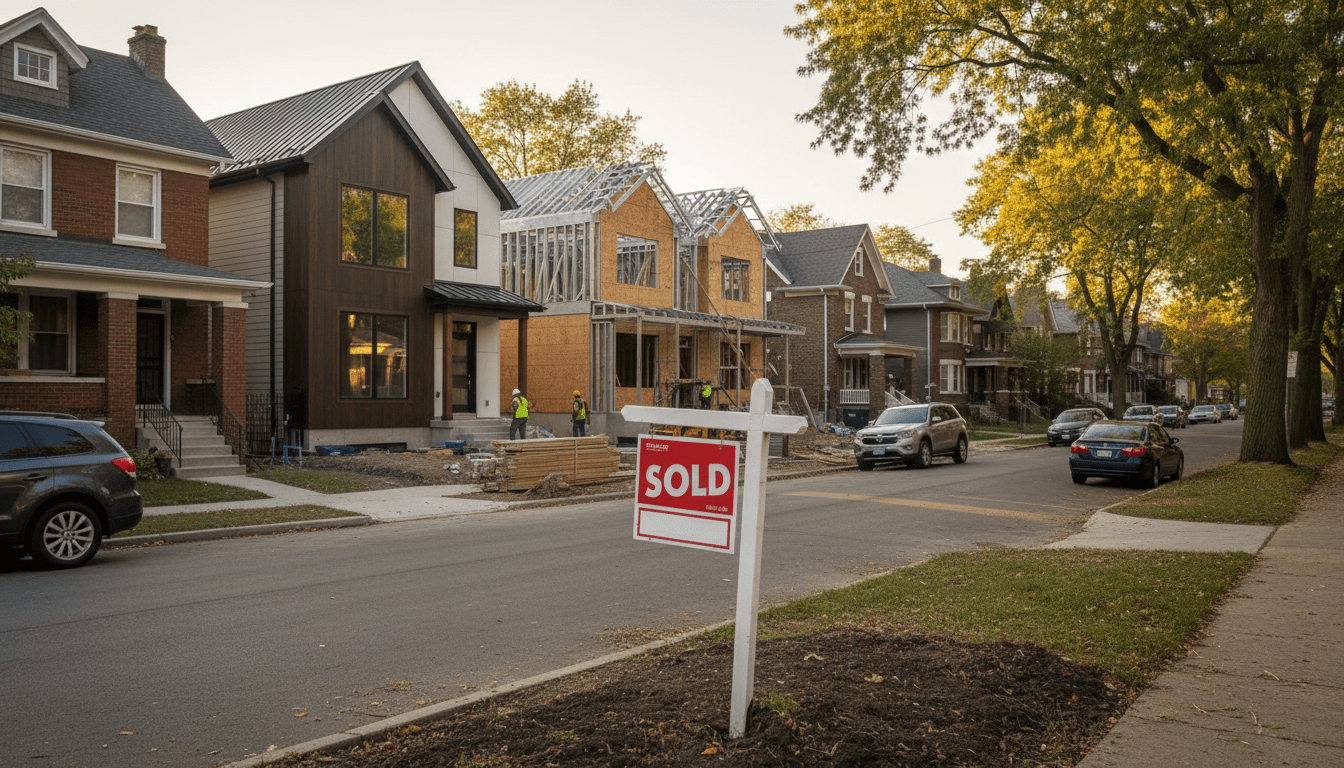
In the evolving narrative of Detroit’s economic recovery, a specific trend has emerged as both a catalyst for development and a hurdle for traditional residents: the dominance of all-cash transactions. While interest rates fluctuate nationally, the proliferation of Detroit cash home buyers—ranging from individual flippers to large-scale investment firms—continues to alter the fabric of the city’s housing market.
Data from recent housing reports indicates that Detroit remains one of the highest volume markets for cash sales in the United States. Unlike suburban enclaves where mortgage financing is the norm, huge swaths of the city see properties changing hands without a single bank involvement. This dynamic creates a unique ecosystem where liquidity is king, often sidelining first-time homebuyers attempting to secure conventional financing.
The Surge in Cash Transactions
According to data analyzed from the Redfin Data Center, cash purchases in Detroit have historically outpaced national averages, often accounting for more than half of all residential sales in specific quarters. This trend is driven by two primary factors: the relatively low price point of distressed inventory and the strict appraisal requirements of FHA and conventional loans.
“The condition of the housing stock in certain neighborhoods simply does not meet the safety and livability standards required by traditional mortgage lenders,” said a representative from a local housing advocacy group. “This effectively forces a market where only Detroit cash home buyers can participate. If the roof is leaking or the plumbing is stripped, a bank won’t lend on it, leaving the door open exclusively for investors with liquid capital.”
For sellers in distress, these buyers offer a lifeline. The ability to close in as little as seven days without contingencies is appealing to those facing tax foreclosure or inheriting dilapidated properties. However, for the broader market, it creates a competitive imbalance.
Who Are the Detroit Cash Home Buyers?
The term “cash buyer” often conjures images of the “We Buy Houses” bandit signs stapled to telephone poles, but the reality is more nuanced. Reporting suggests the market is composed of three distinct groups:
- Local Wholesalers and Flippers: These are often small business owners who purchase distressed properties to renovate and resell (flip) or assign the contract to another investor for a fee.
- Buy-and-Hold Landlords: With Detroit’s rent-to-price ratio being one of the most attractive in the country, investors purchase homes for cash to renovate and rent out, contributing to the city’s high percentage of renter-occupied housing.
- Institutional Investors: While less prevalent than in Sun Belt cities, corporate entities have begun aggregating portfolios of single-family homes in stabilizing Detroit neighborhoods.
The Detroit neighborhood development plans outlined by city officials rely heavily on reactivating vacant homes. In many cases, cash investors are the only entities willing to take the risk on shells that have sat vacant for a decade.
Impact on Detroit Residents and Traditional Buyers
The prevalence of cash offers has tangible consequences for long-time Detroiters and aspiring homeowners. When a property hits the market in a desirable area like the University District or Bagley, mortgage-dependent buyers often find themselves outbid not on price, but on terms.
“I put in offers on three different houses,” shared Marcus Davis, a prospective first-time buyer and lifelong Detroiter. “Every time, I was told the seller went with a cash offer. Even though my offer was slightly higher, the seller didn’t want to wait for the bank appraisal. It’s frustrating to feel like you did everything right—saved the down payment, got the credit score up—and you still can’t compete with instant cash.”
This friction points to a larger issue of equity. As Detroit cash home buyers snap up entry-level inventory, the pool of affordable homes for owner-occupants shrinks. This dynamic can accelerate gentrification, as investors renovate properties and list them at price points accessible only to higher-income earners or rent them out at market rates that strain local wages.
Government and Policy Response
The City of Detroit has acknowledged the difficulty residents face in securing mortgages. Initiatives like the Detroit Down Payment Assistance Program are designed to bridge the gap, helping renters transition to owners. Furthermore, the Detroit Land Bank Authority continues to refine its auction processes to prioritize buyers who intend to occupy the homes, rather than purely speculative investors.
However, the private market moves faster than policy. The rise of “iBuyers” and tech-enabled real estate platforms has streamlined the process for out-of-state investors to purchase Detroit properties sight unseen. This digital shift means a buyer in California or New York can purchase a bungalow on the West Side with a wire transfer, often competing directly with a local family trying to buy that same home.
The Role of Wholesalers
A controversial subset of the cash market involves wholesalers. These entities market heavily to homeowners, offering speed and convenience in exchange for equity. While legitimate wholesalers provide a service for sellers with “un-sellable” homes, complaints regarding aggressive marketing tactics have surfaced.
Real estate attorneys advise residents to be cautious. “Selling for cash is a legitimate option, but sellers must understand the fair market value of their home,” noted a local real estate legal expert. “The convenience of a cash sale should not cost a resident fifty percent of their home’s value.”
Future Outlook for the Housing Market
As 2024 progresses, the influence of Detroit cash home buyers shows little sign of waning, though the composition of buyers may shift. If interest rates stabilize, more traditional buyers may re-enter the market, potentially balancing the scales. However, as long as Detroit possesses a significant inventory of properties requiring major rehabilitation, cash will likely remain the preferred currency for a large segment of the city’s real estate transactions.
For the city, the challenge remains balancing the necessary capital investment these buyers bring with the goal of increasing black homeownership and stabilizing neighborhoods for long-term residents. Read more about local economic shifts in our Detroit economic forecast.