For thousands of households across the city, managing the monthly budget has become an increasingly complex balancing act. As residents navigate a changing economic landscape, rising Detroit utility costs have emerged as a primary concern for both renters and homeowners. From changes in electricity rate structures to ongoing water infrastructure fees, the cost of keeping the lights on and the water running is taking a larger share of local incomes.
Recent data indicates that Detroiters face some of the highest energy burdens in the nation—a metric that defines the percentage of gross household income spent on energy costs. With winter approaching and new billing structures in place, community advocates and city officials are urging residents to stay informed about their usage and available assistance programs.
The Shift in Energy Rates
A significant driver of the conversation surrounding Detroit utility costs is the transition implemented by DTE Energy regarding time-of-day rates. Under this structure, electricity prices fluctuate based on when energy is used. The goal, according to the utility provider, is to smooth out demand peaks and reduce strain on the grid during critical hours.
However, for many Detroit families, shifting energy usage to off-peak hours is easier said than done. Working families, seniors, and those with medical needs often have limited flexibility regarding when they can run appliances or heat their homes.
According to filings with the Michigan Public Service Commission (MPSC), rate adjustments are often necessary to fund critical infrastructure upgrades. DTE has stated that these investments are essential for improving grid reliability and minimizing the frequency of power outages—a persistent issue that has plagued the region during severe weather events. While the promise of a more resilient grid is welcome, the immediate financial impact remains a point of contention during public hearings.
Impact on Detroit Residents
The rising cost of utilities has a ripple effect throughout the local economy. When households are forced to allocate a larger portion of their income to basic services, less capital circulates within the community. This dynamic creates challenges not just for residents, but also for the broader Detroit economy.
Local housing advocates point out that utility costs are often a hidden factor in housing affordability. While rent or mortgage payments are fixed, utility bills can fluctuate wildly, leading to financial instability. “We are seeing more residents seeking emergency assistance earlier in the month,” said a representative from a local community action agency. “The buffer that families used to have for unexpected expenses is being eroded by higher fixed costs for water and power.”
This pressure is compounded by the current state of the Detroit housing market, where rental prices have also seen an upward trend. For low-to-moderate-income residents, the combination of higher rents and increasing utility bills poses a significant risk of displacement or debt accumulation.
Water Infrastructure and Affordability
While energy costs often dominate the headlines, water affordability remains a critical component of the overall Detroit utility costs equation. The Detroit Water and Sewerage Department (DWSD) has made strides in recent years to address affordability through the implementation of the Lifeline Plan, an income-based water affordability program.
The Lifeline Plan is designed to cap water bills at a fixed percentage of a household’s income, erasing past debt for participants who maintain their payments. This approach has been hailed as a national model for water equity. However, the underlying costs of maintaining Detroit’s aging water infrastructure continues to require substantial capital.
Developing a sustainable revenue model while ensuring water remains affordable for the city’s poorest residents is an ongoing challenge. Federal funding and state grants have helped alleviate some of the burden, but the long-term maintenance of the sewer and water systems inevitably impacts the rates paid by the consumer base.
The Energy Burden Disparity
Statistics paint a stark picture of the energy landscape in the city. Research from groups like the American Council for an Energy-Efficient Economy (ACEEE) has historically shown that low-income households in Detroit spend a significantly higher percentage of their income on energy bills compared to the national average. In some zip codes, this energy burden can exceed 10% or even 15% of household income, whereas the national average typically hovers around 3%.
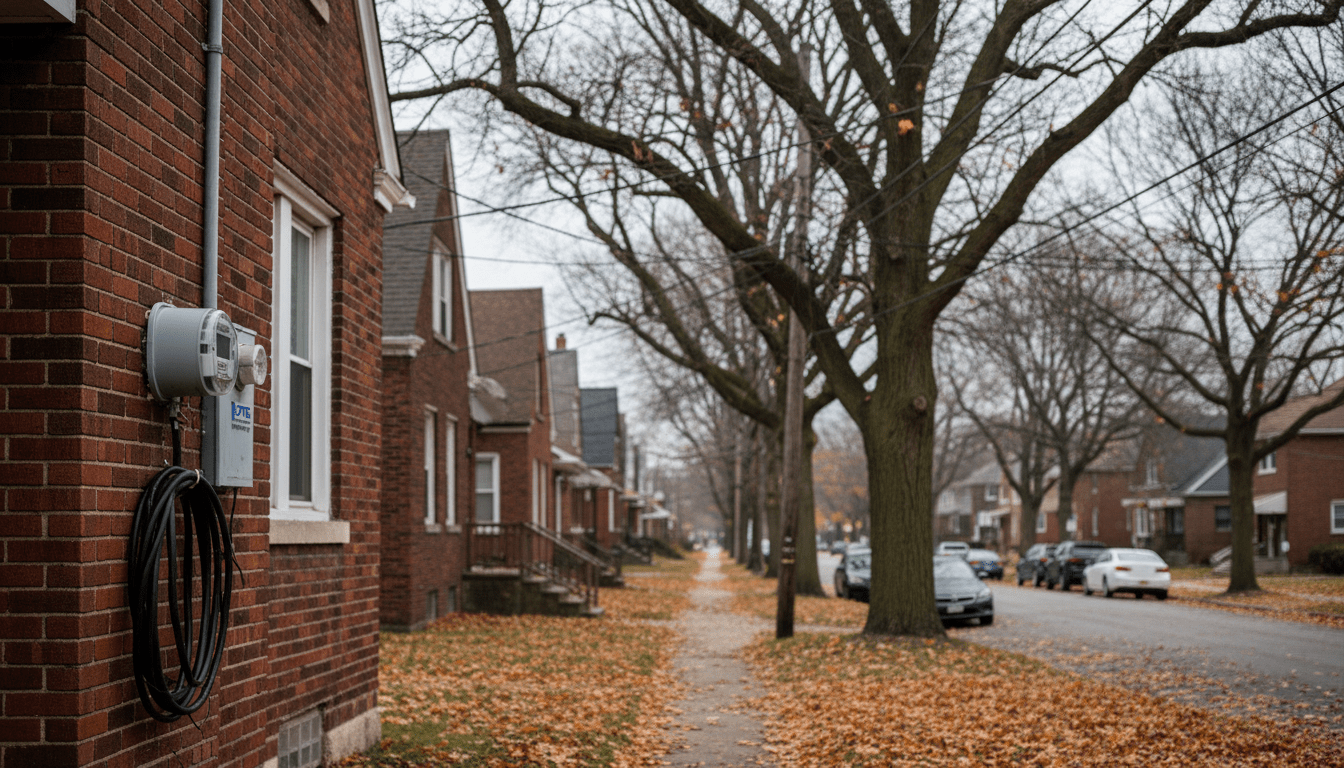
This disparity is often exacerbated by the age of Detroit’s housing stock. Many older homes lack modern insulation, energy-efficient windows, or updated HVAC systems, leading to energy waste. Consequently, residents pay for heat that escapes through drafty walls and attics.
“Addressing the physical condition of the homes is just as important as addressing the rate structure,” noted a local housing policy analyst. “You cannot solve the issue of high bills solely through bill assistance; you must also reduce the amount of energy required to make a home habitable.”
What Happens Next
Looking ahead, the conversation around Detroit utility costs is expected to intensify as both state regulators and local leaders seek sustainable solutions. The Michigan Public Service Commission continues to review rate case applications, balancing the financial health of utility companies with the consumer protection needs of the public.
For residents, the immediate focus is on adaptation and access to resources. Several programs are available to help mitigate these costs:
- The Heat and Warmth Fund (THAW): Provides utility assistance to Michigan residents in need.
- State Emergency Relief (SER): A program through the Michigan Department of Health and Human Services (MDHHS) that assists with energy-related crisis situations.
- DWSD Lifeline Plan: For eligible residents seeking fixed, affordable water rates.
- Weatherization Assistance Program (WAP): Offers free energy efficiency upgrades to low-income households to permanently reduce energy usage.
As Detroit continues its development trajectory, ensuring that essential services remain within reach for long-time residents will be a definitive factor in the city’s equitable recovery.