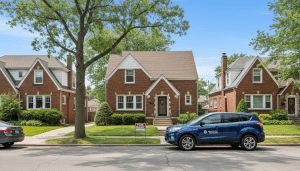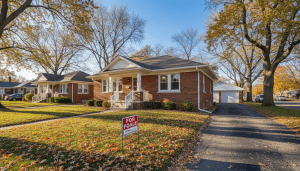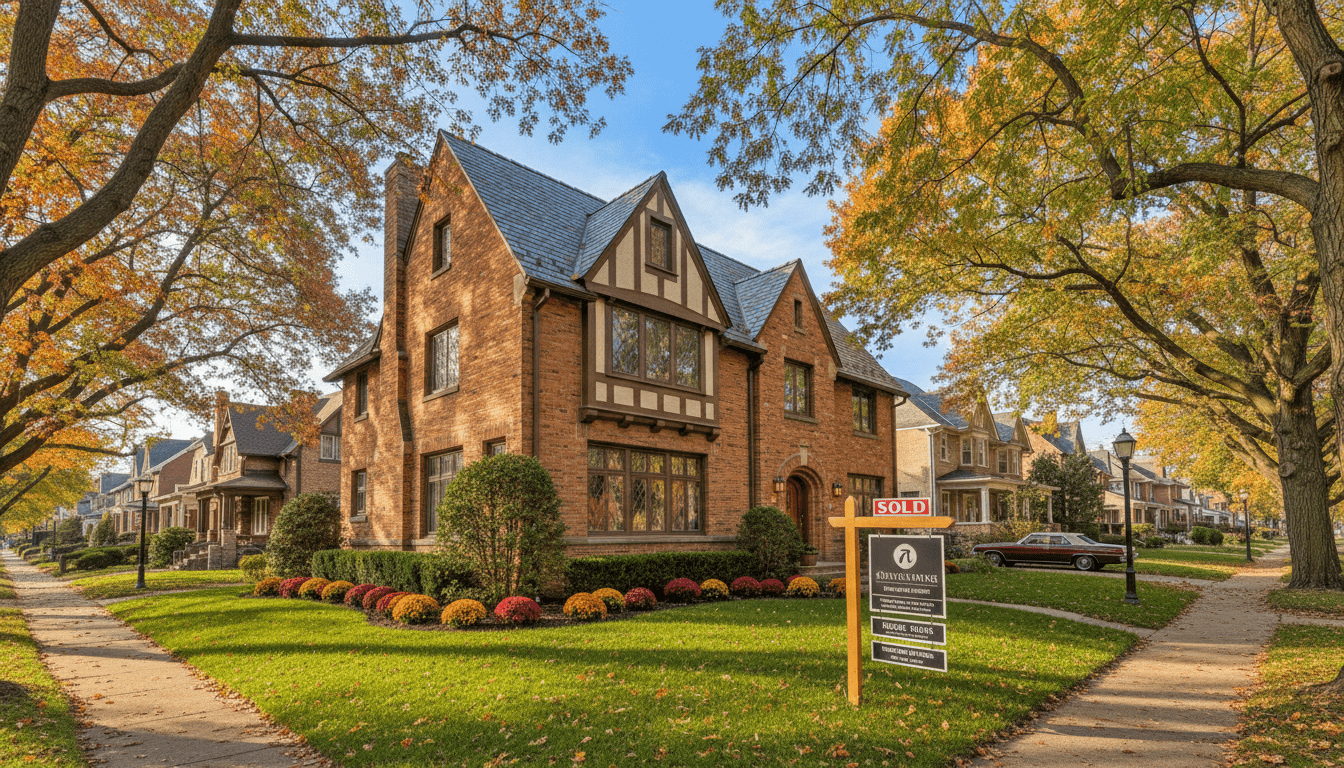
For the first time in decades, the demographic shifting of Michigan’s largest city is showing signs of stabilization, driven largely by a changing housing market that is reshaping what moving to Detroit looks like for prospective residents. While the headline-grabbing luxury condos of downtown and Midtown defined the narrative of the 2010s, a new trend has emerged in 2024: the revitalization of single-family homes in the city’s historic outer neighborhoods.
Data released earlier this year by the U.S. Census Bureau suggests that Detroit’s long-standing population decline has leveled off, a statistic that city officials attribute to aggressive blight removal and housing preservation strategies. For individuals and families considering moving to Detroit, the inventory landscape has shifted from ultra-cheap auctions to a more competitive market of move-in ready renovations and rehab-ready structures in areas like the University District, Bagley, and East English Village.
The Shift to Neighborhood Inventory
The inventory of habitable housing in Detroit is undergoing a transformation. According to the Detroit Land Bank Authority (DLBA), the focus has pivoted from managing massive inventories of vacant structures to facilitating targeted renovations. This shift is crucial for the city’s economic ecosystem, as it expands the tax base beyond the central business district.
Real estate analysts point out that the “appraisal gap”—the difference between the cost to renovate a home and its post-renovation market value—is finally closing in several key zip codes. This economic reality is making financing easier for traditional homebuyers.
“We are seeing a demographic that is priced out of Ann Arbor and Royal Oak looking seriously at Detroit’s historic districts,” said a representative for a local housing non-profit during a recent city council community meeting. “The value proposition of moving to Detroit is no longer just about low cost; it is about architectural character and community engagement.”
This trend is supported by reports from the City of Detroit Housing and Revitalization Department, which highlight an uptick in certificates of occupancy in neighborhoods that saw little investment ten years ago. The stabilization of property values allows new residents to secure mortgages that cover renovation costs, a mechanism that was virtually impossible to access for many buyers post-recession.
Impact on Detroit Residents and Housing Equity
While the influx of new capital and residents is a net positive for the city’s tax revenue, it raises complex questions regarding equity for legacy residents. As property values rise, so do tax assessments, a point of contention in a city that has historically struggled with over-assessment.
For existing residents, the increased interest in moving to Detroit brings both amenities and anxieties. The city has countered potential displacement with programs designed to help legacy residents stay in their homes. Initiatives such as the 0% Interest Home Repair Loan Program are intended to ensure that long-term Detroiters can maintain their properties as neighborhood values climb around them.
Furthermore, the preservation of affordable housing remains a priority. The administration has emphasized that development cannot be solely market-rate. Inclusionary housing ordinances require developers receiving discounted land or public financing to set aside a portion of units for residents earning below the area median income (AMI). This is critical context for anyone reading headlines about the city’s resurgence; the housing strategy is a balancing act between attracting new taxpayers and protecting current ones.
For more context on the city’s financial strategies regarding development, readers can review our coverage on major Detroit development projects scheduled for completion this fiscal year.
Addressing the Renovation Reality
Moving to Detroit frequently involves navigating a housing stock that is significantly older than the national average. Many of the homes currently attracting buyers were built in the 1920s and 1930s. While structurally sound, these brick Tudors and Colonials often require significant updates to electrical and plumbing systems.
Local contractors report a backlog of work as new homeowners rush to modernize heating systems and roofs before the winter months. This surge in renovation activity contributes to the local economy, creating jobs for skilled tradespeople within the city limits. However, it also means that the “turn-key” experience is rarer here than in suburban new builds.
Prospective buyers are often advised to utilize renovation mortgages, such as the FHA 203(k) loan, which bundles the purchase price and renovation costs into a single mortgage. Financial institutions that previously shied away from Detroit lending are slowly returning to the table, driven by the comparable sales data that supports higher appraisals.
The Land Value Tax Proposal
A major policy discussion that could further alter the landscape for those moving to Detroit is the proposed Land Value Tax. Mayor Mike Duggan has advocated for a shift in how property taxes are calculated, proposing a reduction in taxes on structures and an increase in taxes on land.
The goal of this policy is to disincentivize land speculation—where owners sit on vacant lots or blighted properties paying minimal taxes—and incentivize development and homeownership. If implemented, this could significantly lower property tax bills for homeowners, making the monthly cost of living in Detroit more competitive with surrounding suburbs.
“The current tax structure penalizes people for improving their homes,” the Mayor stated in legislative sessions regarding the proposal. By shifting the burden, the city hopes to accelerate the renovation of the remaining vacant housing stock. For a deeper dive into how local taxes impact homeowners, see our analysis on Detroit property tax assessments and appeals.
Looking Ahead: The 2025 Outlook
As 2024 draws to a close, the outlook for Detroit’s housing market remains cautiously optimistic. The frenzy of the post-pandemic housing boom has cooled, replaced by a more sustainable pace of growth. Interest rates remain a hurdle, as they do nationally, but Detroit’s relatively lower entry price offers a hedge against high borrowing costs.
For the city, the metric of success is no longer just the elimination of blight, but the creation of density. The strategic goal is to fill the “missing teeth” in neighborhood blocks, creating contiguous stretches of occupied homes that support local business corridors.
Whether driven by remote work flexibility, a desire for historic architecture, or the community spirit the city is famous for, the data shows that people are voting with their feet. The narrative of moving to Detroit has evolved from a risky bet to a calculated investment in a city that is rebuilding itself, block by block.