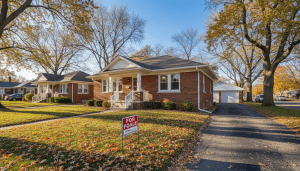
For the first time in decades, property values across the vast majority of Detroit neighborhoods are seeing consistent year-over-year growth, signaling a potential turning point for the city’s housing market. According to recent data released by the City of Detroit and independent market analysis, the median Detroit home value estimate has risen significantly, bringing both increased equity for long-time homeowners and new challenges regarding property tax assessments.
The resurgence is not limited to the rapidly developing downtown and Midtown corridors. Areas such as the University District, Bagley, and East English Village are reporting double-digit percentage increases in market value. This shift represents a stabilizing economy but also raises important questions for residents navigating the complexities of property assessments and tax obligations.
The Shift in Valuation Trends
Data from the City of Detroit Office of the Assessor indicates a broad increase in residential property values. In the most recent assessment cycle, city officials noted that nearly all residential neighborhoods saw an increase in value, a stark contrast to the foreclosure crisis era where values plummeted.
“We are seeing a market that is correcting itself after years of undervaluation,” said a representative from the Assessment Division during a recent community briefing. “The transactional data—actual sales between willing buyers and sellers—supports the higher assessments we are issuing.”
While third-party platforms like Zillow and Redfin provide their own algorithmic versions of a Detroit home value estimate, the city’s official numbers are the ones that dictate tax bills. Historically, there was a significant disparity between what a home could sell for and what the city said it was worth. Today, that gap is narrowing, suggesting a healthier, more functional real estate market.
Understanding the Official Detroit Home Value Estimate
For residents, understanding the distinction between market value and taxable value is crucial. The market value is the probable selling price of the property, while the taxable value is capped by state law (Proposal A) and can only increase by the rate of inflation or 5%, whichever is lower, as long as ownership has not changed.
However, when a Detroit home value estimate increases due to market forces, it unlocks home equity. This is vital for local economic health as it allows homeowners to access capital for renovations, education, or business investments—opportunities that were largely unavailable to Detroiters when homes were significantly undervalued.
A study by the University of Michigan’s Poverty Solutions noted that accurate property assessments are critical for preventing tax foreclosure. In the past, inflated assessments contributed to residents losing their homes. The current administration has implemented more rigorous checks to ensure that the city’s estimates align with actual street-level sales data.
Impact on Detroit Residents
The rising tides of property values affect residents differently depending on their tenure in the city. For long-term homeowners, the rise in value is largely positive. It represents wealth accumulation, often the primary source of generational wealth for families. Because of the taxable value cap, their property tax bills do not spike dramatically even if the market value doubles.
“I’ve lived in Bagley for 25 years,” said resident Marcus Thorne. “Seeing my home value go up makes me feel like the investment I made in staying here is finally paying off. But I worry about the new folks coming in and if they can afford the taxes on the new uncapped values.”
For new buyers, the scenario is different. When a property transfers ownership, the taxable value “uncaps” to match the state equalized value (half of the market value). This means new buyers are facing significantly higher tax bills than their neighbors, a dynamic that could impact housing affordability and the pace of neighborhood revitalization projects moving forward.
Furthermore, renters face potential rent increases as landlords pass on the costs of higher property valuations. Housing advocates are calling for increased protections and more robust affordable housing mandates to ensure that Detroit’s economic recovery does not displace its most vulnerable populations.
Background & Data Context
To understand the current trajectory, one must look at the data. Five years ago, many Detroit homes were selling for less than $20,000, often in cash deals that made comparable sales analysis difficult. Today, the median sales price has risen steadily.
- Market Growth: According to recent MLS data, the median sales price in Detroit has seen consistent quarterly growth.
- Assessment Accuracy: The State Tax Commission has oversight on local assessments. Detroit has moved from a period of state oversight regarding assessment quality to regaining local control, signaling improved methodology in generating a fair Detroit home value estimate for tax rolls.
- Neighborhood Variance: While areas like Palmer Woods see values exceeding $500,000, other neighborhoods are still recovering, with values hovering around $50,000–$70,000. However, the percentage growth in these recovering neighborhoods often outpaces the established historic districts.
This data suggests that the recovery is spreading from the city center outward, a key metric for the city’s economic development initiatives.
What Happens Next?
As the city prepares for the next tax cycle, homeowners should be vigilant. Assessment notices are typically mailed in January. Residents who believe their official Detroit home value estimate is inaccurate have the right to appeal to the March Board of Review.
The city has also launched various programs to assist homeowners, such as the Homeowners Property Exemption (HOPE), which offers property tax exemptions for eligible low-income homeowners. Ensuring that these exemptions are accessible is key to maintaining stable housing occupancy as values rise.
Looking ahead, real estate experts predict a continued, albeit more moderate, rise in home values. The focus for city planners will likely shift toward maintaining affordability and ensuring that the increased tax revenue is effectively reinvested into infrastructure and services that benefit the neighborhoods generating that wealth.