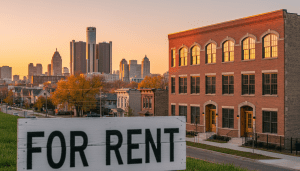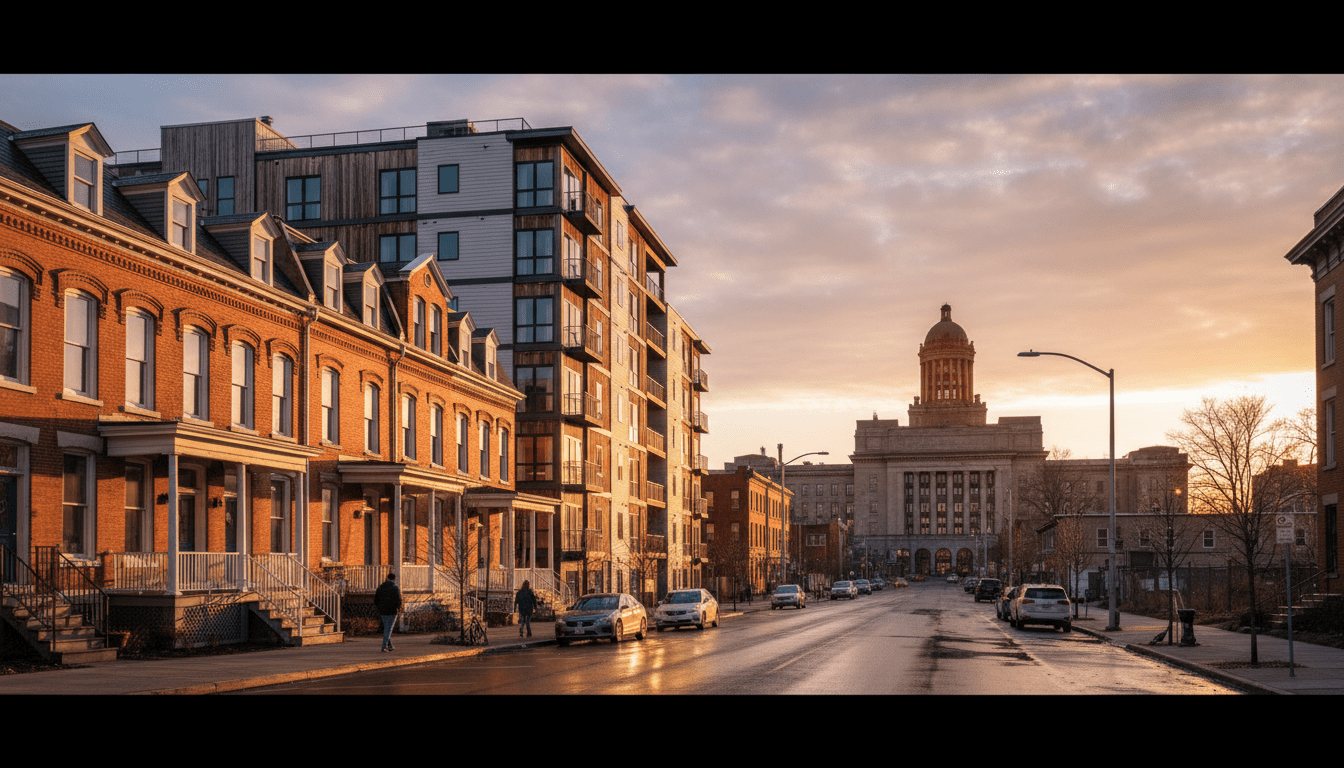
As the City of Detroit continues its trajectory of economic revitalization, the local housing market is witnessing a distinct shift in demand. For prospective tenants and long-time residents alike, identifying the best areas to rent in Detroit has become a complex equation balancing affordability, proximity to new infrastructure, and access to burgeoning lifestyle amenities. Recent data suggests that while Downtown remains the crown jewel for luxury living, emerging neighborhoods are increasingly offering a competitive alternative for value-seeking renters.
According to recent reports from national rental platforms and local housing studies, Detroit’s rental landscape is no longer confined to the central business district. The expansion of transportation networks and significant corporate investment in peripheral neighborhoods have redrawn the map, creating new hubs of activity that real estate analysts are calling the city’s next frontiers for residential growth.
Analyzing the Market: Where Demand is Moving
Data from the U.S. Census Bureau and analysis from real estate tracking firms indicate a stabilization in rental prices within the city limits, following the post-pandemic fluctuations seen nationwide. However, the desirability of specific zip codes varies drastically based on development projects. The best areas to rent in Detroit are currently defined by their proximity to the “15-minute neighborhood” concept—a planning strategy championed by urbanists where residents can access essential services, work, and leisure within a short walk or bike ride.
“We are seeing a migration of younger professionals moving slightly outward from the immediate Downtown core,” said a representative from a local property management firm during a recent housing symposium. “Tenants are looking for more square footage and community feel, which is driving demand in areas like Corktown and New Center.”
This shift is heavily influenced by the city’s economic resurgence. As major employers solidify their presence in the city—most notably Ford’s restoration of Michigan Central Station—the rental markets in adjacent neighborhoods have seen a corresponding tightening in vacancy rates.
Corktown and Southwest Detroit
Historic Corktown has long been a staple of Detroit culture, but the completion of the Michigan Central innovation hub has cemented it as a primary target for renters. Market analysis shows that while rents here have risen, the inventory has diversified. The addition of new mixed-use developments provides options ranging from luxury lofts to more modest garden-style apartments.
For tenants prioritizing walkability and historic charm, Corktown remains a top contender. The area benefits from a density of restaurants and bars that few other neighborhoods can match. However, housing advocates note that supply remains a challenge, pushing some renters further west into Hubbard Richard and Southwest Detroit, where the rental dollar stretches further without sacrificing community culture.
New Center and the North End
Another area frequently cited in discussions regarding the best areas to rent in Detroit is New Center. Once the administrative heart of General Motors, this district serves as a bridge between the bustle of Midtown and the residential quiet of the North End. The area is serviced by the QLine, making it an attractive option for those working Downtown who prefer a slightly removed residential environment.
Recent investments in transportation infrastructure have made New Center increasingly viable for car-free living. According to the City of Detroit’s Housing and Revitalization Department, preserving affordable housing stock in these rapidly developing zones remains a priority, ensuring that the rental market remains accessible to a diverse demographic.
Impact on Detroit Residents
The evolution of these rental hot spots has significant implications for local residents. On one hand, the influx of development brings updated housing stock, better lighting, and improved streetscapes. On the other, long-term residents often face anxiety regarding potential price displacements.
Local community organizations have emphasized the need for balanced development. In neighborhoods like West Village and Islandview, where demand has spiked due to proximity to Belle Isle and the Riverwalk, community land trusts and ordinance protections are being discussed to maintain stability.
For the average Detroiter, the expanding definition of “prime rental territory” is a net positive. It reduces the pressure on any single neighborhood and encourages investment in formerly neglected corridors. The rise of areas like the Avenue of Fashion (Livernois) as desirable rental destinations spreads economic activity more evenly across the city’s geography.
Midtown and Downtown: The Established Standards
While emerging neighborhoods garner headlines, Midtown and Downtown remain the statistical leaders for rental density. These areas offer the highest concentration of amenities, including Wayne State University, the Detroit Institute of Arts, and the medical center complex. For students, medical professionals, and corporate workers, the convenience of these districts often outweighs the premium rental rates.
However, reports indicate a plateau in luxury pricing in these zones, suggesting a market correction that could benefit renters in the coming year. Landlords are increasingly offering concessions—such as a month of free rent or waived parking fees—to attract tenants amidst stiff competition from new constructions in neighboring districts.
Background & Data Trends
Understanding the rental market requires looking at the broader economic data. According to regional housing reports:
- Vacancy Rates: Overall vacancy in Class A (luxury) buildings has ticked up slightly, offering renters more leverage.
- Construction Pipeline: Thousands of new units are scheduled to come online in 2024 and 2025, primarily in the greater downtown area and riverfront.
- Price Stability: Unlike the coastal markets, Detroit’s rent-to-income ratio remains relatively favorable, though it has tightened since 2020.
This data suggests that the window to secure leases in high-growth areas like Corktown or the Rivertown Warehouse District before prices climb further is currently open, but narrowing.
What Happens Next
Looking ahead, the rental market in Detroit is poised for continued diversification. Urban planners predict that the next wave of “best areas” will likely follow the expansion of greenways like the Joe Louis Greenway, which connects disparate neighborhoods through a unified recreational loop.
For renters, the strategy for 2024 involves looking beyond the immediate Downtown core. By focusing on neighborhoods adjacent to major development anchors—such as the Ford campus in Corktown or the Henry Ford Health expansion in New Center—tenants can find areas that offer a blend of investment, safety, and lifestyle that defines the modern Detroit living experience.