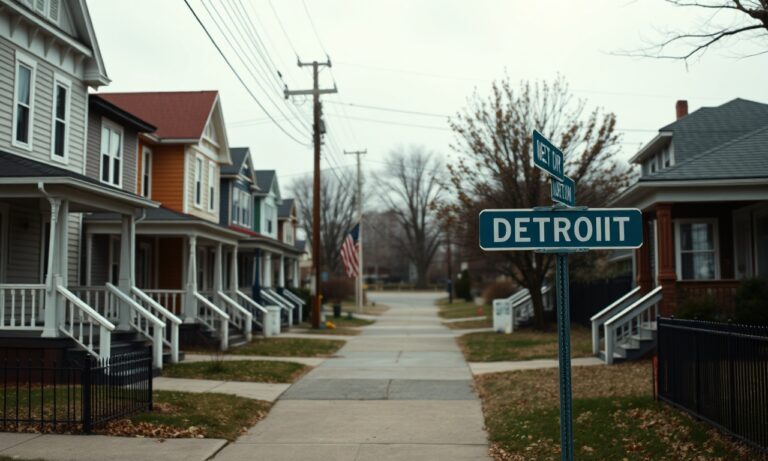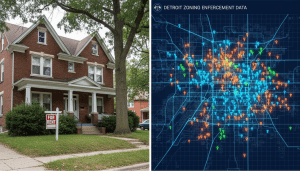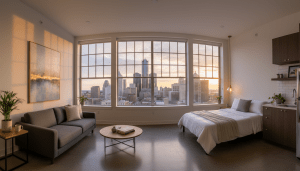
The landscape of the Detroit rental market is undergoing a significant transformation as developers and property management companies race to accommodate a growing demographic of renters: pet owners. As housing density increases in neighborhoods like Midtown, Corktown, and the Central Business District, the availability and affordability of pet-friendly apartments Detroit residents can access has become a central issue in the city’s real estate narrative.
While Detroit has historically offered a stock of single-family homes with yards conducive to pet ownership, the recent boom in multifamily apartment complexes has forced a reevaluation of lease policies. According to data from the American Pet Products Association, approximately 66% of U.S. households own a pet, a statistic that is mirrored in the shifting priorities of Detroit renters. However, local housing advocates and animal welfare organizations warn that the definition of “pet-friendly” varies significantly between developments, creating both opportunities and economic barriers for locals.
The Amenities Arms Race in Downtown Development
For modern developments in Detroit, allowing pets is no longer just a concession; it is a marketing strategy. In the competitive rental landscape of downtown Detroit, amenities have evolved from simple fitness centers to elaborate facilities designed specifically for dogs and cats.
Newer construction projects along the Woodward corridor and within the Detroit neighborhood development zones frequently feature rooftop dog runs, pet washing stations, and designated relief areas. This trend suggests that developers are responding to a market where a pet-friendly policy can be the deciding factor for prospective tenants.
“Ten years ago, finding a luxury high-rise that allowed a dog over 25 pounds was a challenge,” said a leasing consultant active in the Downtown area. “Today, if a building doesn’t have a pet spa or at least a very lenient policy, they are losing a significant portion of the market share to buildings that do.”
However, this shift is primarily concentrated in the luxury and market-rate sectors. As reported by Zillow rental market trends, the inclusion of pet amenities often correlates with higher baseline rents, raising questions about accessibility for the average Detroiter.
Impact on Detroit Residents: The Cost of “Pet Rent”
While the inventory of pet-friendly apartments in Detroit is growing, the financial implications for residents are becoming more complex. A review of current rental listings across the city reveals a standardized system of fees that can significantly increase the monthly housing burden for pet owners.
Common costs associated with pet ownership in Detroit rentals now include:
- Non-refundable Pet Fees: Upfront costs ranging from $200 to $500.
- Monthly Pet Rent: Recurring charges between $25 and $75 per pet.
- Security Deposit Increases: Additional refundable deposits to cover potential damages.
For a resident renting a one-bedroom apartment in New Center or Brush Park, these fees can add nearly $1,000 to the annual cost of housing. This pricing structure disproportionately affects working-class residents who may already be stretched by the city’s rising rental rates. While the units are technically accessible, the cumulative cost creates a barrier to entry, effectively pricing out lower-income pet owners from the city’s newest housing stocks.
Breed Restrictions and Housing Stability
Beyond the financial costs, the specific policies governing pet-friendly apartments Detroit offers remain a contentious issue. Breed restrictions continue to be a primary hurdle for many residents. Property owners often cite insurance liability as the reason for banning specific breeds, such as Pit Bulls, Rottweilers, or German Shepherds—breeds that are popular among Detroit households.
The Michigan Humane Society and other local animal welfare groups have long cited housing restrictions as a leading cause of owner surrenders. When tenants are forced to move due to rent hikes or life changes, finding a new unit that accepts their specific type of dog can be impossible within a short timeframe.
“The term ‘pet-friendly’ is often used loosely,” explains a local housing advocate. “A building might market itself as pet-friendly but have a 25-pound weight limit and a list of restricted breeds. For a Detroiter with a rescue mix, that building isn’t friendly at all; it’s off-limits.”
Regulatory Outlook and Future Trends
The conversation around pets in housing is beginning to intersect with broader discussions regarding Detroit housing affordability and tenant rights. While there is currently no city-wide legislation in Detroit forcing landlords to accept pets or capping pet fees, the issue is gaining traction nationally, with some cities exploring legislation to limit pet rent.
In the interim, the market is dictating the terms. As vacancy rates fluctuate, older buildings in neighborhoods like Palmer Park and the Villages are increasingly relaxing strict no-pet policies to compete with the amenity-rich new constructions downtown. This