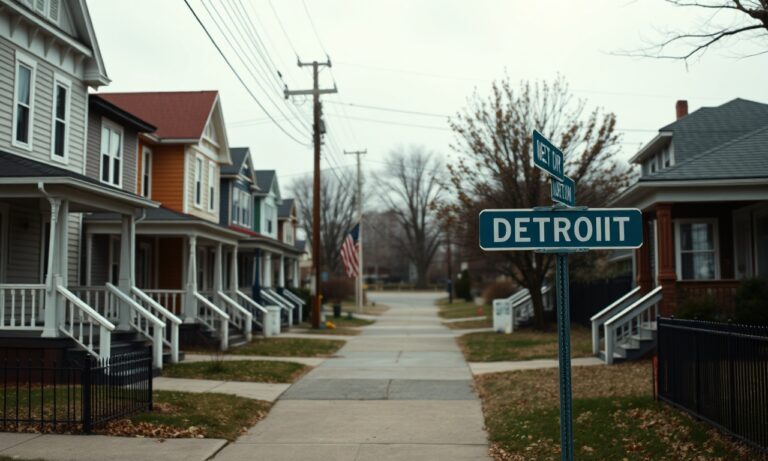
For the aspiring first-time home buyer in Detroit, the current real estate landscape presents a complex dichotomy: while the city remains one of the most affordable metropolitan markets in the United States, rising interest rates and a persistent shortage of move-in-ready inventory are creating new hurdles. As 2024 progresses, local housing officials and real estate analysts are observing a shift in how residents are navigating the path to homeownership, heavily reliant on city-backed assistance programs to bridge the financial gap.
According to recent data from the Detroit Metro Convention & Visitors Bureau and local real estate boards, median home prices in the city have seen steady appreciation over the last five years. However, the entry point for ownership remains significantly lower than national averages, attracting both long-time renters and new residents. Yet, the journey from approval to closing is fraught with specific challenges unique to the Detroit market, including the well-known "appraisal gap" and the cost of renovating aging housing stock.
The Role of Down Payment Assistance
One of the most critical factors sustaining the market for the first-time home buyer in Detroit is the continued funding and availability of down payment assistance (DPA) programs. The City of Detroit’s Down Payment Assistance Program, managed by the Housing & Revitalization Department, has been a lifeline for many.
Officials from the City of Detroit Housing & Revitalization Department have reported that hundreds of residents have utilized grants—often ranging up to $25,000—to cover upfront costs that typically derail lower-to-middle-income buyers. These funds are designed not just to facilitate a transaction, but to stabilize neighborhoods by converting renters into stakeholders.
Local lenders indicate that without these programs, the conversion rate from renter to owner in neighborhoods like Bagley, Fitzgerald, and East English Village would likely stall. The leverage provided by these grants allows buyers to preserve their personal savings for immediate repairs, a necessity given the age of Detroit’s housing inventory.
Impact on Detroit Residents
The push for increased homeownership is about more than real estate statistics; it is a central pillar of wealth creation for Detroit families. For decades, Detroit’s homeownership rate has hovered near 50%, a figure the administration aims to increase. For local residents, becoming a first-time home buyer in Detroit is often the first step toward breaking cycles of generational renting.
However, the impact varies significantly by neighborhood. In areas experiencing rapid appreciation, such as the University District or Corktown, long-time residents often find themselves priced out, shifting their search to emerging neighborhoods. This migration pattern is spurring investment in areas that were previously overlooked, but it also raises questions about displacement and gentrification.
Community development organizations emphasize that sustainable ownership requires education. Many successful buyers are graduates of housing counseling courses, which are mandatory for most DPA recipients. These courses cover budgeting for maintenance—a crucial skill when purchasing historic homes that may require significant upkeep immediately after closing.
Navigating the Appraisal Gap
A persistent structural issue facing the first-time home buyer in Detroit is the appraisal gap. This occurs when the cost to buy and renovate a home exceeds the appraiser’s estimate of its current market value. Because banks will only lend up to the appraised value, buyers are often forced to cover the difference in cash.
This dynamic disproportionately affects buyers looking at properties from the Detroit Land Bank Authority. While the initial purchase price of these structures may be low, the renovation costs are substantial. Without specialized loan products like the FHA 203(k) or conventional renovation loans, many first-time buyers find themselves unable to finance the necessary repairs to make a home habitable.
Real estate agents report that this reality is pushing many first-time buyers toward "turnkey" properties, increasing competition for the limited supply of fully renovated homes. This compression of demand has led to bidding wars in desirable zip codes, even as interest rates have cooled overall purchasing power.
Background & Data Trends
Data from the U.S. Census Bureau highlights the shifting demographics of homebuyers in the region. While investors previously dominated the Detroit market following the bankruptcy era, the share of purchases by owner-occupants has been gradually ticking upward. This trend is supported by policy changes that prioritize individual buyers over bulk institutional investors in Land Bank sales.
Furthermore, rental costs in the city have risen, narrowing the monthly payment gap between renting and owning. For many, the mortgage payment on a modest three-bedroom bungalow is now comparable to, or even less than, the rent for a similar unit, provided they can surmount the initial capital requirements.
For more insights on local neighborhood trends, readers can view our coverage on ongoing revitalization projects affecting property values across the city.
What Happens Next
Looking ahead to the remainder of 2024 and into 2025, the outlook for the first-time home buyer in Detroit remains cautiously optimistic. Analysts suggest that if the Federal Reserve moves to cut interest rates, it could unleash a wave of pent-up demand. However, this would likely exacerbate the inventory shortage unless more homes are brought to market through renovation programs.
The city is also exploring new ways to incentivize developers to rehabilitate single-family homes for sale rather than rent, aiming to increase the stock of move-in-ready properties attainable for middle-income earners. As these programs evolve, the ability of Detroit residents to secure their piece of the city will serve as a key indicator of the region’s broader economic health.