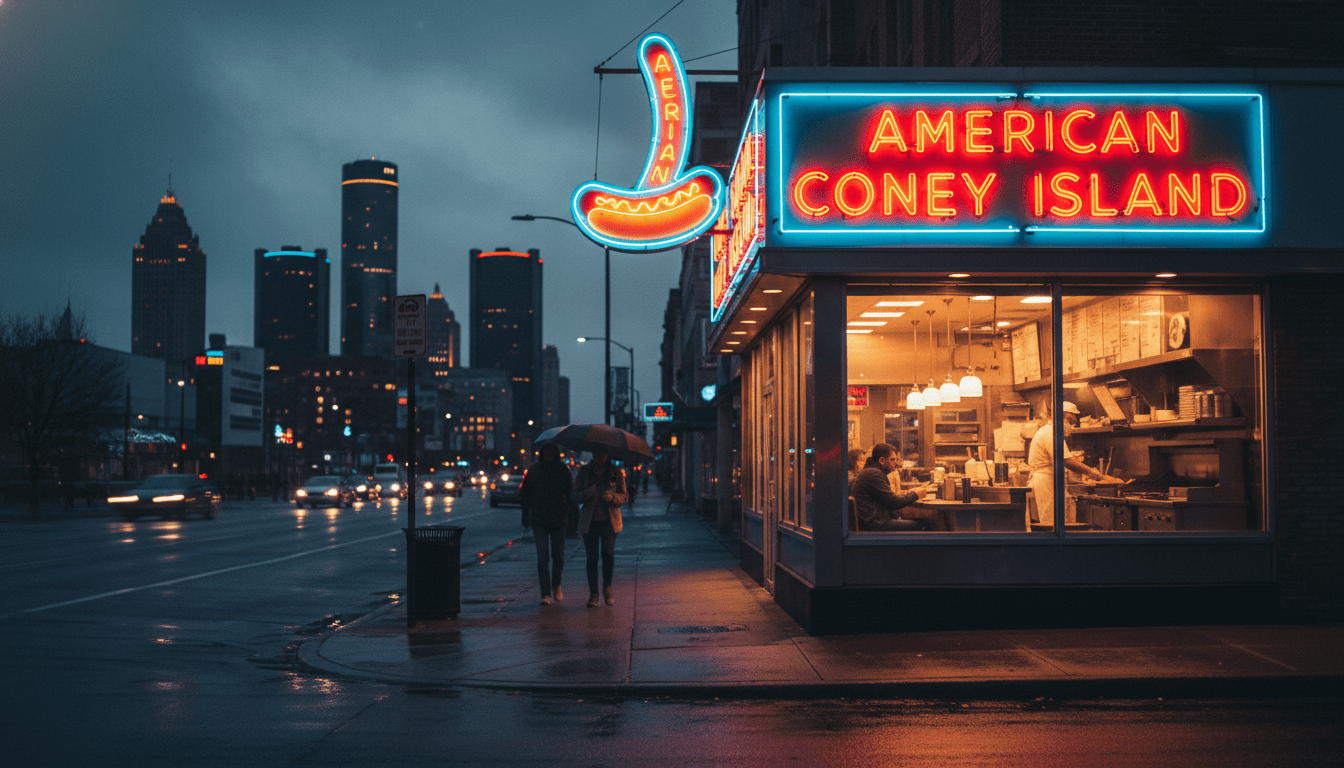
Detroit’s skyline is often defined by its architectural history and industrial legacy, but for many residents, the true pulse of the city is found under the neon glow of kitchen signs long after the sun has set. As Detroit continues its post-pandemic recovery, the late-night dining scene has emerged as a critical component of the local economy, bridging the gap between the city’s historic shift-work culture and its modern aspirations as a 24-hour destination.
From the legendary Coney Islands of Southwest Detroit to the newer late-night windows in Corktown, the demand for Detroit late night food is currently outstripping supply. According to data from the Michigan Restaurant & Lodging Association (MRLA), the hospitality sector has seen a 12% increase in consumer demand for late-evening services over the past two years, yet staffing challenges remain a hurdle for many establishments looking to return to 24/7 operations.
The Cultural Anchors of Detroit Nightlife
For decades, the Detroit food landscape was anchored by the “Coney Island” model—diners that never closed, serving workers from the city’s automotive plants regardless of the hour. Today, those same establishments, such as Lafayette Coney Island and Duly’s Place, remain essential. However, the demographic of the late-night diner is shifting. It now includes a mix of healthcare professionals from the Detroit Medical Center, service industry workers finishing their own shifts, and a growing number of young professionals living in the revitalized downtown core.
Reports from the Detroit Free Press have highlighted how these establishments serve as more than just eateries; they are community hubs. In neighborhoods like Midtown, the presence of late-night food options is often cited by urban planners as a key indicator of neighborhood safety and vitality. When kitchens stay open, streets remain lit and foot traffic continues, contributing to a self-sustaining cycle of public activity.
Impact on Detroit Residents and Labor
The availability of Detroit late night food has a direct impact on the quality of life for the city’s significant population of shift workers. According to the U.S. Census Bureau, approximately 15% of the workforce in the Detroit metropolitan area works outside of traditional 9-to-5 hours. For these residents, access to hot, nutritious meals at 2:00 AM is not a luxury—it is a necessity.
Local business owners, however, express a complex reality. While the demand is high, the cost of labor and insurance for late-night operations has risen significantly since 2020. “The challenge isn’t finding customers; it’s finding the balance between safety, staffing, and overhead,” said one restaurateur operating near Eastern Market. This economic tension has led to a more fragmented dining landscape, where many legacy spots have shortened their hours, leaving a gap that new, smaller pop-ups are beginning to fill.
For more insights into how these businesses are adapting, you can read our previous coverage on local business trends in the downtown district.
Background and Economic Data
Data from the Michigan Restaurant & Lodging Association indicates that while overall restaurant sales in Michigan have stabilized, the “after-hours” segment (defined as 10:00 PM to 4:00 AM) accounts for nearly 8% of total weekly revenue for urban establishments that choose to stay open. In Detroit specifically, this percentage is estimated to be higher due to the concentration of entertainment venues and stadiums.
The City of Detroit has also taken note of this trend. Discussions within the Planning and Development Department have occasionally touched upon the concept of a “Night Mayor” or a dedicated office for the nighttime economy, similar to models used in New York and London. This role would help mediate between residents’ concerns regarding noise and the economic necessity of vibrant late-night business corridors.
The growth of the city’s nightlife is further supported by the detroit nightlife recovery initiatives, which aim to streamline licensing for outdoor seating and extended hours in designated zones.
What Happens Next
Looking ahead, the future of Detroit late night food likely lies in diversification. While the traditional diner remains the bedrock of the scene, the city is seeing an influx of diverse options, from late-night taco trucks in Southwest to high-end cocktail bars offering full menus until the early hours. The success of these businesses will depend heavily on the city’s ability to address public transportation and safety concerns, ensuring that both workers and patrons can navigate the city effectively at all hours.
As Detroit prepares for major upcoming events, including the NFL Draft and various national conventions, the pressure on the late-night food infrastructure will only increase. City officials and business leaders are expected to monitor these trends closely, as the ability to provide a robust after-hours environment is seen as essential for Detroit to compete with other major Midwestern hubs like Chicago and Cleveland. For now, the neon signs continue to flicker, serving as beacons for those who call the city home long after the rest of the world has gone to sleep.