The landscape of the Detroit judiciary is facing a unique legal test as a previously suspended judge seeks to navigate the hurdles of Michigan’s judicial eligibility requirements to regain a seat on the bench. The move has sparked significant debate among legal scholars and local residents regarding the permanence of disciplinary actions and the standards of conduct expected of those presiding over the Wayne County court system.
According to recent filings and reports from the Michigan Judicial Tenure Commission (JTC), the intersection of judicial misconduct and electoral eligibility remains one of the most contentious areas of state law. While the Michigan Constitution provides clear guidelines for the removal of judges, the path back to the robe following a period of suspension or a forced resignation is often clouded by legislative nuances and the discretionary power of the Michigan Supreme Court.
Understanding the Misconduct and the Ban
At the heart of the current controversy is the history of Detroit judge misconduct that led to the original disciplinary action. In Michigan, the JTC is tasked with investigating allegations of judicial impropriety, ranging from administrative negligence to ethical breaches. When the commission finds evidence of misconduct, it makes a recommendation to the Michigan Supreme Court, which holds the final authority on sanctions.
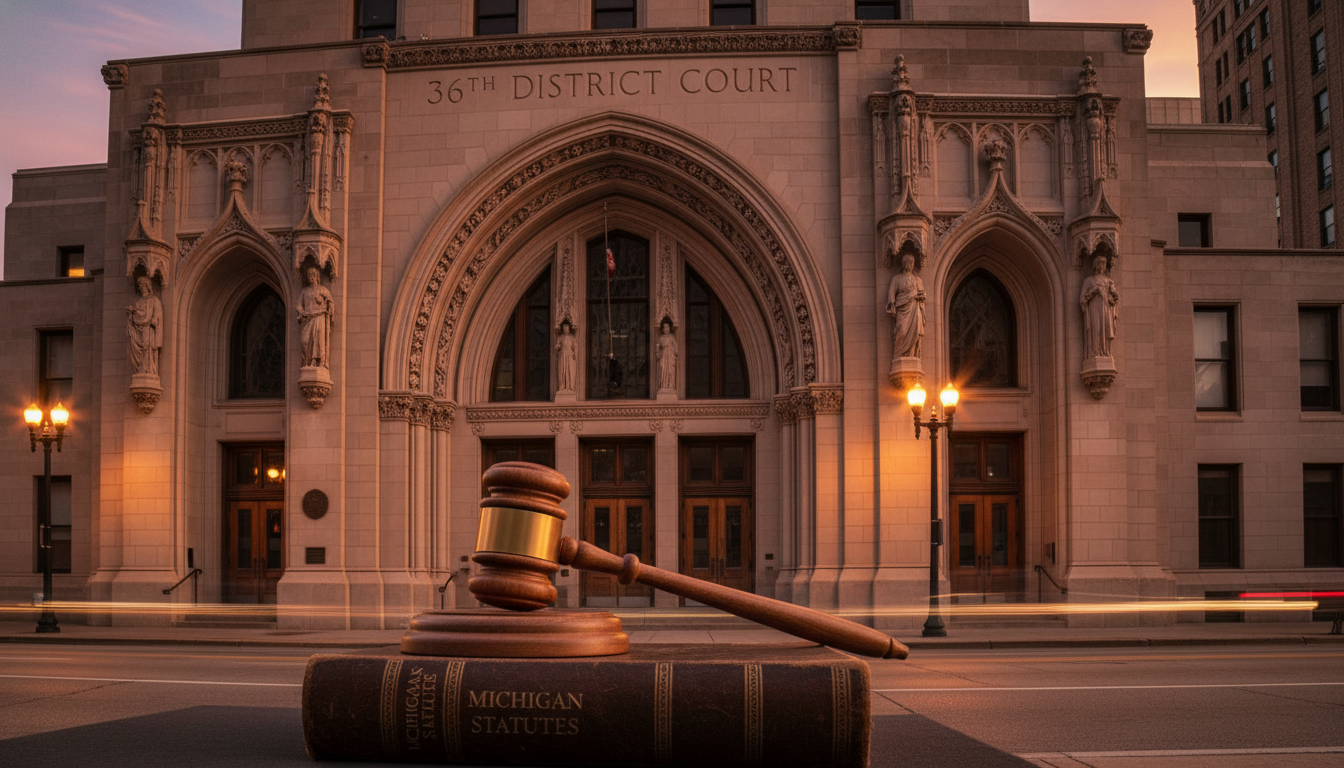
In this specific instance, the attempt at a comeback follows a period where the judge was sidelined due to findings of persistent failure to perform judicial duties and a lack of temperament suitable for the 36th District Court. Legal analysts suggest that any attempt to return to office must address the ‘fitness to serve’ criteria that the Michigan Supreme Court emphasized in its prior rulings. Data from the Michigan Judicial Tenure Commission indicates that while many judges receive private censures, only a small percentage face the level of public suspension that triggers a permanent or long-term ban on holding office.
Impact on Detroit Residents and Voter Trust
The implications of a formerly disciplined judge returning to the ballot are profound for Detroit residents. The 36th District Court is one of the busiest in the nation, handling thousands of cases annually, including landlord-tenant disputes, traffic violations, and small claims. For locals, the integrity of the person behind the gavel is not an abstract legal concept but a matter of daily fairness.
Community leaders in Detroit neighborhoods have expressed a mix of skepticism and a desire for accountability. “The court system is often the first and only interaction many Detroiters have with the government,” noted a representative from a local legal aid organization. “If the public perceives that the rules for judges are more flexible than the rules for the citizens they judge, it erodes the very foundation of our local legal news Michigan updates often highlight—the principle of equal justice under the law.”
Furthermore, the cost of judicial misconduct is often borne by the taxpayers. When a judge is suspended with pay or when a special master must be appointed to oversee a court’s operations due to mismanagement, the financial burden falls on the City of Detroit and Wayne County. This financial aspect is a recurring theme in Detroit economy reports, as the efficiency of the legal system directly affects business operations and property rights in the city.
The Legal Hurdles of the Comeback
To successfully launch an election comeback, the candidate must first satisfy the Michigan Bureau of Elections and survive potential challenges to their nominating petitions. Under Michigan law, specifically Article VI of the State Constitution, a judge who has been removed from office by the Supreme Court is generally ineligible for reappointment or election to a judicial office for a period of time, often specified in the removal order.
However, the distinction between a “suspension” and a “removal” is where the legal maneuvering occurs. Attorneys representing the judge argue that because the initial sanction was a suspension rather than a permanent removal, the right to seek office remains intact once the suspension term has expired. This interpretation is currently being scrutinized by the Michigan Secretary of State’s office and may eventually require a definitive ruling from the high court to clarify the legal news Michigan community is watching closely.
The Role of Judicial Oversight in Wayne County
Wayne County’s judicial oversight has been under the microscope for several years. Following a series of high-profile cases involving Detroit judge misconduct, there have been calls for more robust transparency. Internal reviews from the Wayne County legal system suggest that the backlog of cases in the 36th District Court has been exacerbated by judicial vacancies, making the stability of the bench a top priority for city administrators.
What Happens Next: The Road to the Ballot
As the primary election approaches, the focus will shift from legal filings to the court of public opinion. The candidate must convince a skeptical electorate that the issues leading to the previous suspension have been corrected. This involves not only legal compliance but a demonstratable commitment to the ethical standards that govern the Michigan bar.
Observers expect that competing candidates and civic watchdog groups will keep the details of the past misconduct at the forefront of the campaign. The outcome of this attempt will likely set a new precedent for how the state handles judicial recidivism. Whether the Michigan Supreme Court intervenes to block the candidacy or allows the voters of Detroit to make the final decision remains the most pressing question for the upcoming election cycle.
In the coming weeks, a series of hearings are scheduled to determine the validity of the candidacy. DetroitCityNews.com will continue to monitor these developments, providing updates on how the resolution of this case will impact the future of the Detroit judiciary and the broader legal landscape of Michigan.