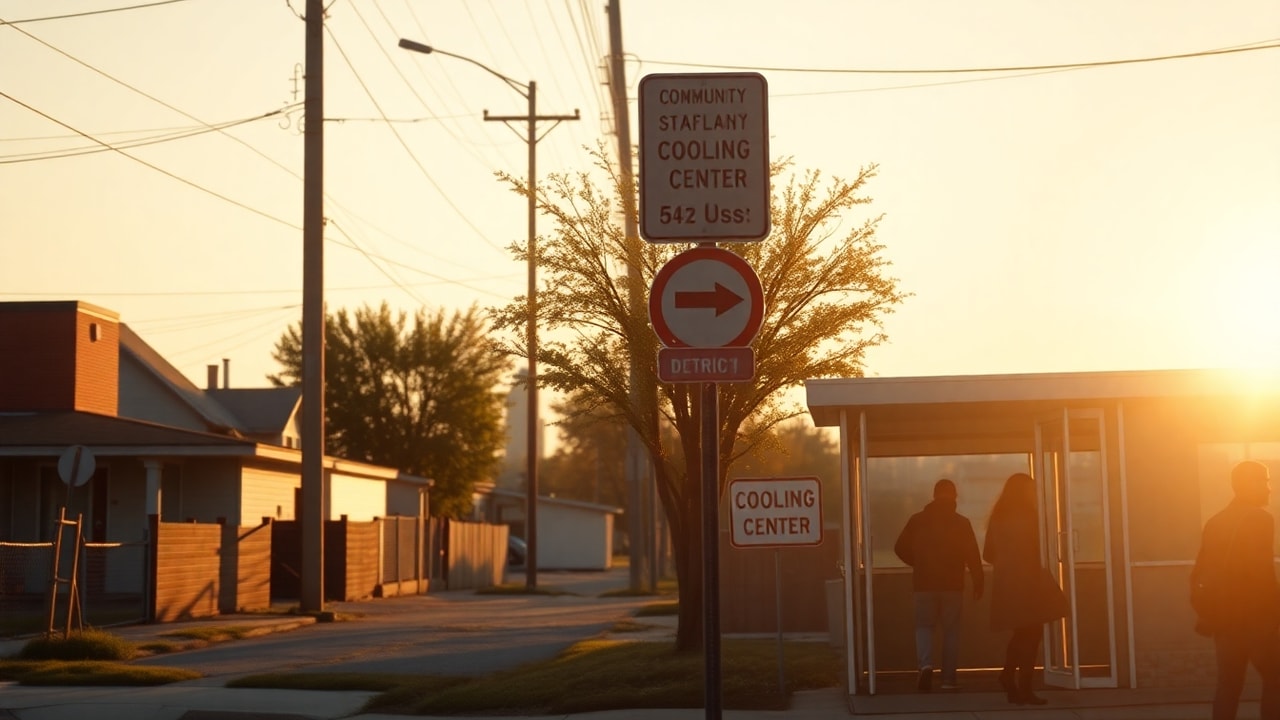
Detroit residents facing another stretch of sweltering temperatures will have updated places to cool off, as local officials refresh guidance around Detroit extreme heat warning conditions and the availability of public cooling sites across the metro area.
With heat risks rising during peak daytime hours—especially for seniors, young children, and people who work outdoors—city and regional partners are urging residents to check the latest cooling centers Detroit listings and plan ahead for hydration, ventilation, and transportation to air-conditioned spaces.
Cooling centers Detroit: Updated locations and hours
The updated list of cooling options is intended to help residents quickly find nearby places with controlled indoor temperatures during the hottest parts of the day. Officials say the sites may be operated by municipal departments, community organizations, libraries, and other partners that can provide a safe indoor environment.
According to the City of Detroit, the updated cooling guidance is part of an ongoing public-safety effort to reduce heat-related illness. The city encourages residents to verify cooling center locations and expected hours before traveling, particularly as schedules can change based on conditions.
Regional guidance is also aligned with recommendations from the National Weather Service, which issues heat advisories and warnings based on temperature and humidity forecasts. The service notes that “extreme heat can cause serious illness and even death,” especially when heat overwhelms the body’s ability to cool itself.
Impact on Detroit residents: Who is most at risk
While extreme heat can endanger anyone, Detroit-area public health and emergency management partners emphasize that certain groups face a higher risk of heat exhaustion, heatstroke, and complications from dehydration and underlying health conditions.
Residents without stable air conditioning—whether due to high utility costs, housing challenges, or lack of equipment—often experience the worst effects during hot spells. Community advocates in metro Detroit have long pointed to a pattern in which heat burdens neighborhoods with older housing stock, higher rates of residents living alone, and limited transportation options to reach cooling sites.
For workers, heat risk extends beyond home life. Drivers, warehouse employees, construction crews, and outdoor staff may face longer exposure during shifts, with “workplace heat” hazards compounded by limited breaks and limited access to water. Local employers and workforce partners have also encouraged supervisors to monitor workers for symptoms such as dizziness, nausea, heavy sweating, or confusion.
Residents who rely on medications that affect sweating or hydration—such as certain diuretics or medications for heart conditions—may also be more vulnerable. Health guidance from the U.S. Centers for Disease Control and Prevention (CDC) emphasizes the importance of recognizing symptoms early and taking steps to cool the body quickly.
Detroit summer heat relief: Practical extreme heat safety tips
Officials and health agencies say the strongest extreme heat safety tips are straightforward: reduce heat exposure during peak hours, stay hydrated, and create a cool plan if a home setting becomes unsafe.
Key steps recommended for metro Detroit residents include:
- Check on neighbors—especially older adults, people with disabilities, and those living alone.
- Hydrate early and avoid waiting until you feel thirsty. Water is often best; avoid excessive alcohol.
- Limit outdoor activity during the hottest parts of the day and take breaks in air-conditioned spaces.
- Cool down safely using fans, cool showers, or cool wet cloths on skin, and seek medical help if symptoms worsen.
- Use cooling centers when home cooling isn’t enough—confirm cooling center locations and hours, and bring essentials like identification and water.
For people who don’t have transportation, local partners often suggest contacting community organizations or dialing local resources for help coordinating safe travel to sites. Community organizations frequently stress that heat emergencies can develop quickly and that delays can be dangerous.
Background & data: Why heat warnings matter
Heat advisories and warnings are issued when forecasts indicate temperatures and humidity levels that increase the chance of heat illness. According to the National Weather Service, heat hazards are typically determined by the interaction between air temperature and how well the body can cool through sweating and evaporation. When the air is humid, sweat may not evaporate efficiently, which can lead to rising body temperatures.
Detroit’s summer patterns also intersect with broader public health realities. In many U.S. cities, heat risk can be amplified by the urban heat island effect, where pavement, buildings, and other surfaces retain heat. While city-level specifics can vary block by block, the overall message is consistent: hot days can become dangerous days, particularly for residents with limited options to cool off.
Local planners and emergency managers note that heat events can increase demand for cooling spaces, transportation, and emergency services. In Detroit, that means public communications about the Detroit extreme heat warning and available cooling resources become a time-sensitive priority.
What happens next: Staying informed and preparing
As the warning period evolves, officials say residents should keep checking official alerts, including updates that can include changes to hours, site availability, or recommendations for specific neighborhoods.
Local agencies and partner organizations plan to staff and coordinate the cooling sites during the most dangerous hours when forecasts indicate the highest heat stress. Residents are encouraged to treat heat warnings as an immediate planning cue—especially if they don’t have reliable home cooling.
Before heading out, residents can take practical steps:
- Review the updated cooling centers Detroit list and confirm hours for the day of the hottest temperatures.
- Plan a route or check whether a nearby location is reachable on public transit or with community support.
- Pack essentials such as water, a light layer of clothing, and any needed medical items.
- Know the warning signs of heat illness and seek help immediately if symptoms appear.
For those without reliable internet access, officials encourage calling local information lines and listening for community updates through partner organizations.
Local impact: Cooling centers as part of broader resilience
Cooling center access is not only a short-term response—it can reveal longer-term gaps in housing energy affordability, public space resources, and community support networks. In Detroit, the updated cooling guidance arrives during a season when residents often weigh utility costs against comfort, and when older housing stock can struggle to keep indoor temperatures safe.
Public health experts and local advocates say that improving heat resilience involves more than opening sites during emergencies. It includes longer-term investments that help residents maintain safe indoor conditions, such as energy assistance programs, targeted home weatherization, and stronger cooling infrastructure in public buildings.
For now, the immediate focus is keeping people safe through the warning period. With the updated metro Detroit heat advisory guidance and cooling center locations refreshed for residents, officials are urging Detroiters to plan their days around the heat, use cooling resources when needed, and look out for vulnerable neighbors.