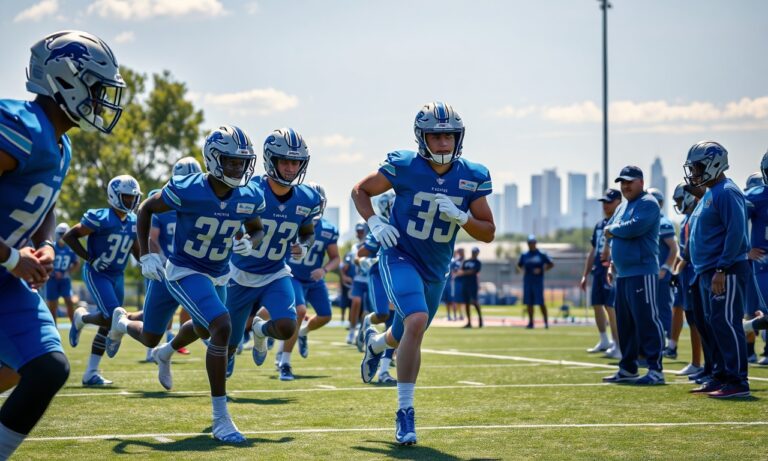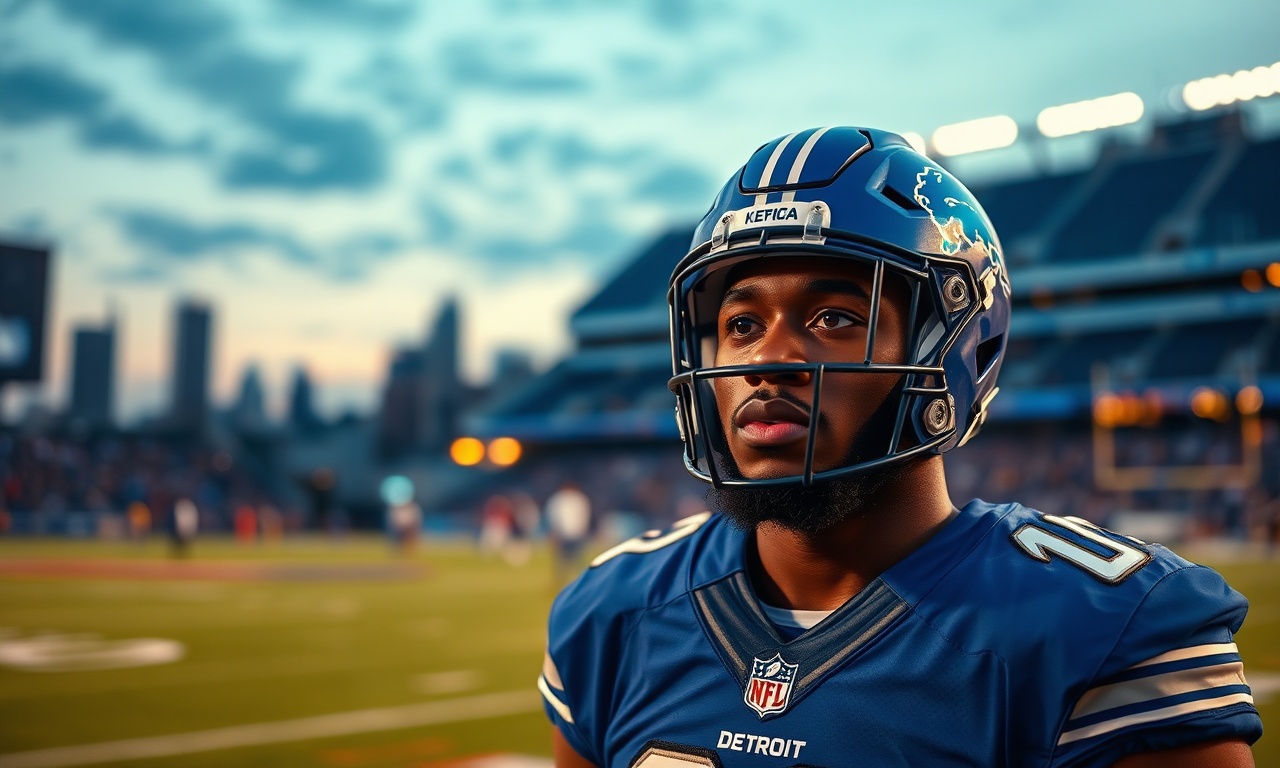
On Sundays in Detroit, the stands are loud and the pace is relentless—especially for players asked to cover some of the league’s fastest receivers. For fans eager to understand the people behind the Detroit Lions’ defensive look, cornerback Keith Abney II has become a name to watch. His journey to the NFL defensive back role is rooted in fundamentals, coached technique, and a willingness to learn quickly in a high-pressure environment.
While roster moves and play-by-play evaluations shape what happens on the field each week, Detroit’s fan base often wants more than highlights. They want context: where a player came from, how he developed, and what his presence could mean for a team’s defensive identity in the Motor City.
Main Section
Get to know profile: Keith Abney II is a cornerback whose role centers on matching up in space—pressing at the line, maintaining leverage in man coverage, and communicating through route concepts. Cornerbacks in the NFL defensive back group are expected to read quarterbacks’ tendencies, anticipate breaks, and recover to contest throws across the sideline and deep middle.
Abney’s on-field development has taken place through the layered process that NFL teams use to refine coverage skills: film study, repeatable drills, and reps that build timing and consistency. That work is particularly important in Detroit, where cold-weather football can add emphasis to grip, footwork, and ball-control fundamentals as the season progresses.
For local fans, the value of learning a defensive back’s background is practical. Coverage is not just about athleticism—it’s also about decision-making, communication, and understanding what the defense is trying to take away. As the Lions continue to balance aggressiveness with fundamentals, a cornerback like Abney II becomes part of that equation.
According to the Detroit Lions media materials and official team communications, defensive schemes are implemented through coaching that emphasizes alignment discipline and coverage responsibilities. In practice, that means players are expected to know not only what to do individually, but what to do in relation to the safety behind them and the front seven ahead of them.
Impact on Detroit Residents
In a city where sports often function as a shared weekly rhythm, the impact of players like Abney II goes beyond the game itself. NFL Sundays affect local businesses and community life—from parking lots and sports bars to downtown traffic patterns and neighborhood retail.
Detroit’s residents also follow player progress as part of a broader culture of performance and aspiration. Getting to know profile stories help fans connect to the idea that there’s a pathway to the top, even if it isn’t straightforward. For young athletes across metro Detroit, seeing a cornerback’s development can reinforce lessons about preparation, coaching, and persistence.
From a local economic standpoint, game days support jobs and revenue for companies that serve attendees. While the NFL’s economic footprint is well-documented nationally, Detroit’s impact is visible at the neighborhood level—especially around stadium-adjacent areas where demand rises for food, transportation, and services. Data from the U.S. Census Bureau shows that retail and food services are among the sectors most closely tied to local consumer spending patterns, which can shift during major events like regular-season games. (The Census Bureau’s broader industry reporting helps explain why these sectors tend to track demand changes.)
For fans, that means a cornerback’s development is also part of the city’s week-to-week storyline. When Detroit is engaged, it’s not only on the scoreboard—it’s in the local economy and community energy that grows around it.
Background & Data
Cornerback technique has become increasingly data-driven at the NFL level. That doesn’t replace coaching—it intensifies it. Teams evaluate coverage results using performance tracking, reviewing routes, separation, and targets at a granular level. For a Detroit audience, that matters because it translates into visible trends: how a defensive back handles motion, how often he rotates to match routes, and how he performs when quarterbacks test the edges of coverage.
Abney II’s role as a cornerback requires a particular skill set:
- Coverage fundamentals: maintaining leverage, using hand placement correctly, and staying in phase with receivers.
- Ball skills: contesting at the catch point and tracking the football through traffic.
- Play recognition: identifying pre-snap cues and responding quickly post-snap to route combinations.
- Special teams readiness: many defensive backs contribute in multiple phases, and that versatility is often key to roster stability.
Detroit’s football landscape also shapes expectations. Cold weather can influence how quickly defensive backs can replant, how grip affects technique, and how ball-handling changes in wind or snow. While a player’s athletic baseline is crucial, the day-to-day details of preparation can become even more important later in the season.
For Detroit fans, the best way to evaluate a defensive back is to watch what happens before the pass and after the snap: footwork angles, spacing, whether the receiver is forced to work upfield, and how quickly the corner recovers if there’s a misread. Those are the kinds of details that help explain a cornerback’s impact even when the stat line doesn’t tell the full story.
According to the Pro Football Hall of Fame and its historical coverage of defensive back roles, the cornerback position has long required adaptability—changing how a player plays depending on offensive personnel and game plan. Modern NFL football simply raises the margin for error through speed and complexity, making technique and preparation central to a player’s effectiveness.
What Happens Next
As Detroit’s season progresses, fans will likely see Abney II’s role adjust based on matchups, game scripts, and defensive rotations. For a team, that can mean expanded responsibilities in specific defensive looks, more opportunities in nickel or sub packages, or increased involvement on special teams. For fans, it means watching the development arc in real time rather than relying on a single snapshot.
In the coming weeks, Detroit fans can look for a few concrete indicators of how Abney II is fitting into the Lions’ defensive plans: his alignment choices, his communication during route adjustments, and how often the coverage holds up on third-down situations—when offenses ask corners to prove they can keep separation and contest throws under pressure.
Beyond the field, the broader Detroit sports conversation will continue to highlight the connection between hometown passion and player growth. When residents say they’re “invested” in a team, it often includes wanting to know the person behind the jersey. For Keith Abney II, the focus now shifts to translating preparation into consistent results that match the expectations of a Detroit fan base that watches closely and remembers.
For Lions supporters looking for a steady, fact-based way to track progress, the key is to pay attention to both the scheme and the details of execution. In Detroit, those details are what turn a name—like Keith Abney II—into a meaningful part of the team’s story.