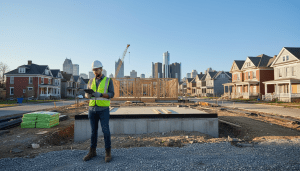
As construction cranes continue to dot the skyline and downtown development surges, the City of Detroit is intensifying its efforts to ensure long-term residents are not priced out of their neighborhoods. Facing a complex housing market where property values are rising alongside a persistent need for low-income units, officials from the Detroit Housing & Revitalization Department (HRD) have announced a renewed focus on both preserving existing affordable units and incentivizing new mixed-income developments.
The push comes at a critical juncture for the city. While economic revitalization has brought new businesses and residents to areas like Midtown and Corktown, housing advocates warn that the window to secure permanent affordability in these rapidly changing districts is closing. The central challenge remains balancing the economic benefits of market-rate development with the desperate need for affordable housing in Detroit that aligns with the actual incomes of current residents.
The Affordability Gap and City Response
According to data from the U.S. Census Bureau, the median household income in Detroit remains significantly lower than the national average, creating a disparity when developers price units based on the federally defined Area Median Income (AMI), which includes wealthier suburbs in its calculation. This statistical gap often means that housing designated as "affordable" on paper is still out of reach for many Detroiters living below the poverty line.
To combat this, the administration under Mayor Mike Duggan has been leveraging the Affordable Housing Leverage Fund and utilizing tax abatements to force deeper affordability. "Our priority is clear: development in Detroit must include Detroiters," a spokesperson for the Housing & Revitalization Department stated during a recent press briefing. "We are not just looking at unit counts; we are looking at the depth of affordability. We need units priced for people making $30,000 a year, not just those making $60,000."
Recent policy adjustments require developers seeking tax incentives to set aside at least 20% of units for residents earning 80% of the AMI or less. However, housing advocacy groups argue that 80% AMI is still too high for the average resident and are pushing for thresholds closer to 50% or 30% AMI.
Impact on Detroit Residents
For residents like Sheila Roberson, a retired automotive worker living in the North End, the terminology of "AMI" matters less than the monthly bill. Roberson, who has lived in her rental home for over two decades, expressed concern over the notices she sees regarding renovations in her neighborhood.
"You see the new windows going in down the street, and you know the rent is going up double," Roberson said. "It’s good to see the neighborhood look better, but where are the seniors supposed to go if the landlord decides to sell? We need guarantees that we can stay in the places we built."
This sentiment is echoed across various Detroit neighborhoods. The fear of displacement is palpable, particularly in areas adjacent to major commercial corridors. The city’s "Right to Counsel" ordinance, which provides legal representation to tenants facing eviction, is one tool currently being deployed to stabilize housing security for vulnerable residents. Local tenant unions have praised the measure but insist that more proactive rent stabilization policies are necessary.
Preservation vs. New Construction
While ribbon-cuttings for new high-rises garner headlines, a significant portion of the city’s strategy revolves around the preservation of "Naturally Occurring Affordable Housing" (NOAH). These are older apartment buildings that have remained affordable simply due to age and market conditions, rather than government subsidies. As investors purchase these properties to renovate them, the risk of losing thousands of low-cost units is high.
A recent report from the University of Michigan’s Poverty Solutions highlights that preserving these existing units is often more cost-effective than building new ones. In response, the city is working with Community Development Financial Institutions (CDFIs) to provide low-interest loans to landlords of smaller buildings. In exchange, these landlords agree to keep rents affordable for a set period, usually 10 to 15 years.
Additionally, the Detroit Land Bank Authority continues to act as a pipeline for housing rehabilitation, selling structures to community partners who commit to rehabbing them for residential use. This strategy aims to fight blight and the housing shortage simultaneously.
Background & Data: The AMI Challenge
Understanding the friction regarding affordable housing in Detroit requires looking at the federal data. The U.S. Department of Housing and Urban Development (HUD) defines the AMI for the Detroit-Warren-Livonia region. In 2023, the AMI for a family of four in this region was significantly higher than the median income of a family of four living strictly within Detroit city limits.
- Regional AMI (Family of 4): Approximately $96,000
- Detroit Median Income: Approximately $36,000
When a developer offers a unit at "80% AMI," the rent is calculated based on the regional number, resulting in a rent price that creates a severe cost burden for a typical Detroit household. This discrepancy is why local officials and the City Council are increasingly demanding "deep affordability" tiers in new projects that receive public funding. For more detailed statistics on regional income limits, readers can view the official HUD datasets.
What Happens Next
Looking ahead to the next fiscal year, the Detroit City Council is expected to debate further amendments to the inclusionary housing ordinance. There is growing political pressure to increase the mandatory percentage of affordable units in projects that receive significant tax breaks.
Furthermore, the Detroit infrastructure improvements planned for the coming years are expected to increase property values further, making the race for affordability even more urgent. The city has set a goal to preserve or build 15,000 affordable units, a target they report being on track to meet, though the depth of that affordability remains the primary point of contention.
As these policies evolve, DetroitCityNews.com will continue to monitor how these changes affect rental markets and the stability of Detroit’s historic communities.