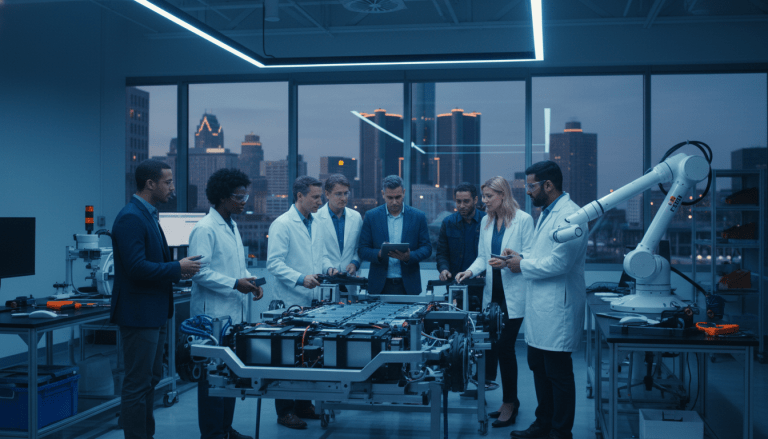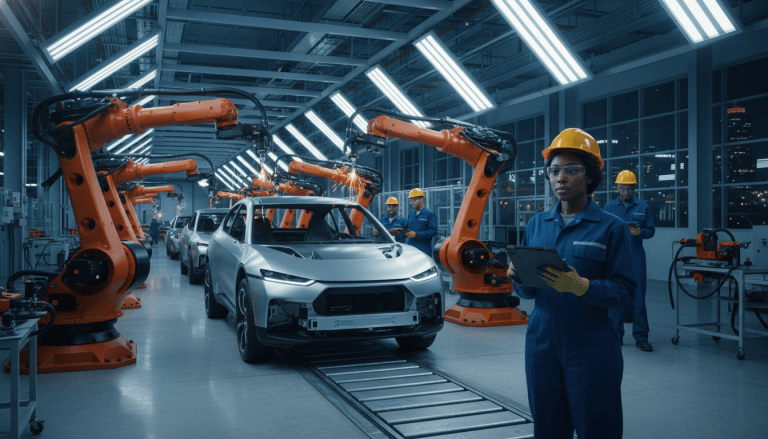

Detroit, long hailed as the world’s automotive capital, is undergoing a profound transformation that goes far beyond the assembly line. As the global automotive industry shifts toward electrification and autonomy, the integration of AI in Detroit mobility has emerged as the defining challenge—and opportunity—of the decade. From the revitalized corridors of Michigan Central to the testing grounds of the American Center for Mobility, the Motor City is rapidly evolving into a hub for artificial intelligence and smart transportation.
The traditional image of Detroit manufacturing—sparks flying and gears turning—is being augmented by server farms and machine learning algorithms. Major automakers and agile startups alike are utilizing AI not just to make cars drive themselves, but to optimize traffic flow, improve pedestrian safety, and redefine public transit infrastructure within the city limits.
The Shift to a Mobility Innovation Hub
The recent reopening of Michigan Central Station has served as a catalyst for this technological pivot. Ford Motor Company and various partners have positioned the district as a testing ground for real-world mobility solutions. According to the Michigan Office of Future Mobility and Electrification, the state has attracted billions in capital investment specifically targeted at electric and autonomous vehicle technologies over the last three years.
“The conversation in Detroit has shifted from horsepower to computing power,” said a representative from a Corktown-based mobility startup during a recent industry roundtable. “We are using AI to predict traffic patterns, reduce congestion, and communicate directly with infrastructure. This isn’t science fiction; it is the new baseline for Detroit auto engineering.”
This integration of AI allows vehicles to process vast amounts of data from sensors, cameras, and radar in real-time. For Detroit’s legacy automakers, General Motors and Ford, the race is on to perfect software-defined vehicles that can update over the air and learn from driving environments.
Impact on Detroit Residents
For the average Detroiter, the rise of AI in mobility promises tangible changes to daily life, though the transition comes with questions about equity and access. One of the most immediate benefits is the potential for safer streets. The City of Detroit has been piloting smart traffic signals and connected infrastructure designed to protect pedestrians.
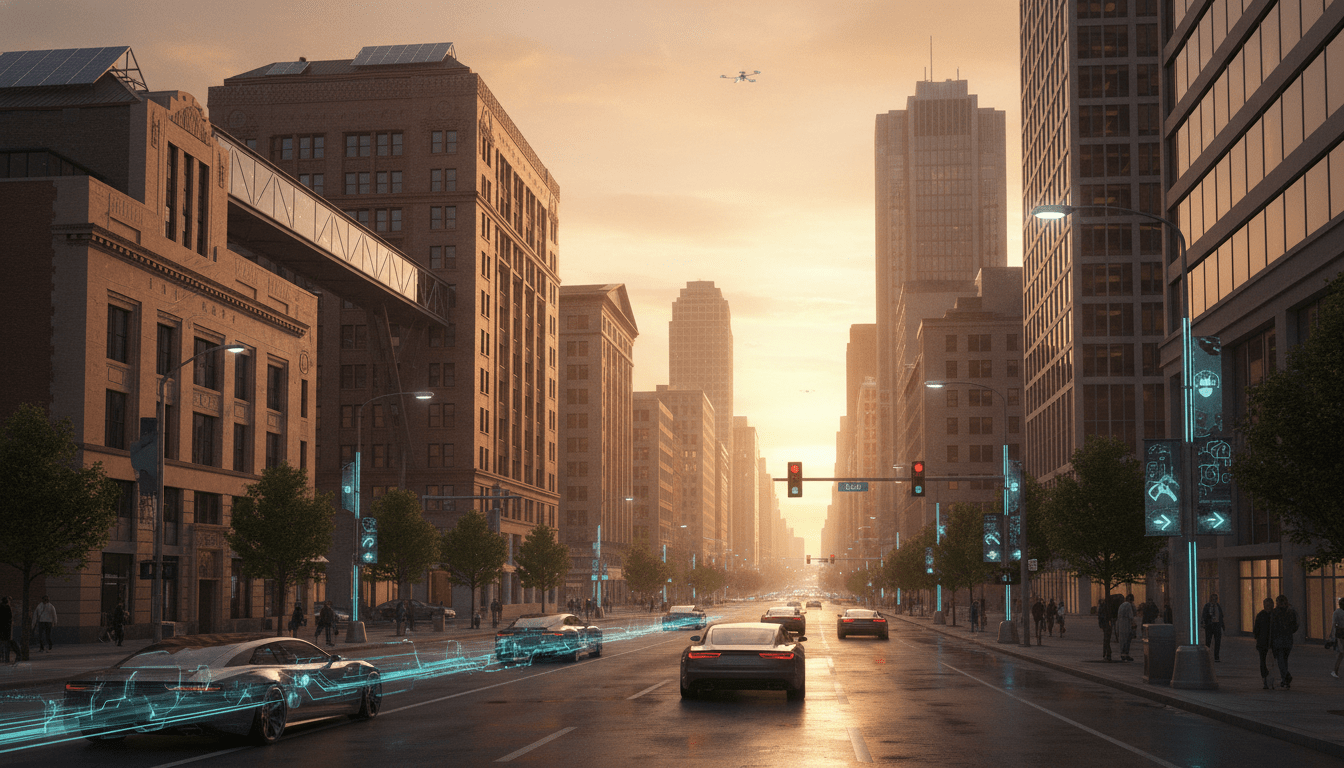
AI-driven traffic management systems can adjust signal timing in real-time based on actual traffic flow rather than pre-set timers. This reduces idling, lowers emissions, and helps commuters get to work faster. Furthermore, Detroit transportation infrastructure is being upgraded to communicate with connected vehicles, alerting drivers to red lights or construction zones before they see them.
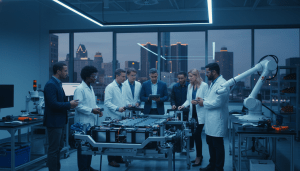
However, the shift also impacts the local labor market. As the industry relies more on software engineers and data scientists, there is a pressing need for workforce development. Local organizations and community colleges are ramping up programs to ensure Detroiters are not left behind. “The skill set required to build a car today includes coding and systems architecture,” noted a workforce development official. “We are focused on bridging the gap so that residents can access these high-paying tech jobs right here in the city.”
Background & Data: The Economic Stakes
The economic implications of leading the AI mobility sector are massive. Data from the Michigan Economic Development Corporation (MEDC) indicates that Michigan is home to the highest concentration of engineering talent in the United States. The state has aggressively incentivized tech companies to set up shop in Detroit, viewing AI as the key to retaining the region’s manufacturing crown.
Investments are flowing into:
- V2X (Vehicle-to-Everything) Communication: Technology that allows cars to “talk” to traffic lights and other cars.
- Predictive Maintenance: AI systems that alert fleet managers, such as the Detroit Department of Transportation (DDOT), before a bus breaks down.
- Last-Mile Delivery: Autonomous delivery bots and drones being tested in urban environments.
These initiatives are supported by the Detroit Smart Parking Lab and other public-private partnerships that allow companies to test technologies in safe, controlled urban environments before deploying them on public roads.
Challenges and Regulation
Despite the optimism, the road ahead is not without potholes. Regulatory frameworks for AI in Detroit mobility are still being written. Safety concerns regarding autonomous vehicles remain a hot topic, particularly following high-profile incidents involving robotaxis in other U.S. cities. Detroit officials have maintained a cautious but welcoming approach, prioritizing safety data transparency.
Furthermore, cybersecurity is a paramount concern. As vehicles become more connected, they become potential targets for cyberattacks. Detroit-based firms are currently leading the nation in automotive cybersecurity research, creating a sub-sector of the local economy dedicated entirely to protecting smart vehicles.
What Happens Next
Looking toward 2026, experts predict that Detroit will see a significant increase in Level 3 autonomous vehicle testing on designated corridors. The integration of AI into the city’s public transit network is also a priority, with hopes that smart routing can improve the reliability of bus services for residents who do not own cars.
As the Detroit economy continues to diversify, the convergence of Silicon Valley technology and Motor City manufacturing muscle places Detroit in a unique position. The city is no longer just building the chassis; it is building the brain that drives it.
For Detroiters, the message is clear: The auto industry isn’t leaving, but it is changing. The integration of artificial intelligence into the fabric of the city’s transportation network marks the beginning of a new era—one where data fuels the drive.