The landscape of apartments for rent in Detroit is undergoing a significant transformation, driven by a surge in new developments, shifting demographic patterns, and an evolving local economy. As the city continues its revitalization efforts beyond the central business district, prospective tenants and long-time residents alike are navigating a market characterized by sharp contrasts between luxury downtown high-rises and the inventory available in outlying neighborhoods.
Recent data suggests that while inventory is expanding, the affordability gap remains a critical topic of discussion among city planners and housing advocates. For those seeking housing, understanding the current rental climate is essential as prices fluctuate based on proximity to major economic hubs like Midtown, Corktown, and the Central Business District.
Market Overview: Supply and Demand Dynamics
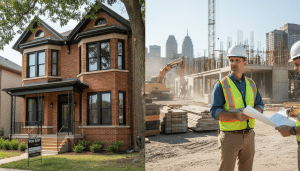
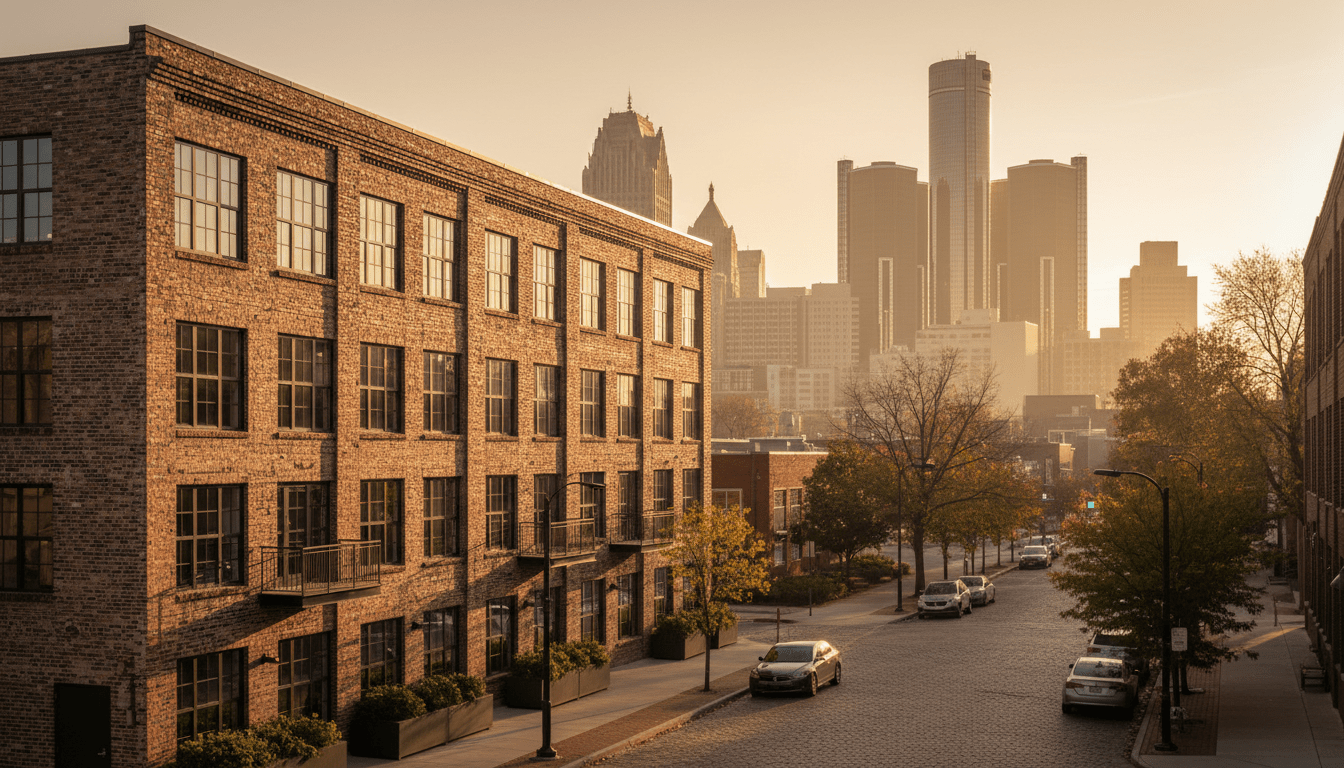
The search for apartments for rent in Detroit has changed drastically over the last five years. According to reports from the City of Detroit Housing & Revitalization Department, there has been a concerted effort to increase multi-family housing units to meet demand. This push is visible in the skyline, where construction cranes have become permanent fixtures.
However, the market is bifurcated. Data from national rental platforms indicates that the median rent for apartments in Detroit varies significantly by neighborhood. While Downtown and Midtown units can command prices upward of $2,000 per month, neighborhoods further from the core offer more modest pricing, though often with older housing stock that may require renovations. This disparity highlights the broader economic shifts occurring within the city as it balances attracting new residents with maintaining stability for existing communities.
Real estate analysts point to the influx of corporate investment, such as the rehabilitation of Michigan Central Station by Ford, as a primary driver for rental demand in adjacent neighborhoods like Corktown. Landlords in these areas are responding to a workforce that desires walkability and proximity to employment centers.
Impact on Detroit Residents
The changing availability of apartments for rent in Detroit has a direct impact on the daily lives of locals. For long-term residents, the introduction of “market-rate” units often raises concerns regarding gentrification and displacement. As property values rise, so do property taxes and, subsequently, rents.
“The primary concern we hear from residents is stability,” says a representative from a local housing advocacy group. “While new buildings are beautiful, the average Detroit family needs assurance that they won’t be priced out of the neighborhoods they helped sustain during leaner years.”
To combat this, the city has implemented ordinances requiring developers receiving tax incentives to set aside a portion of units for affordable housing. This inclusionary housing strategy aims to ensure that the inventory of apartments for rent in Detroit remains accessible to residents across various income brackets, not just high earners.
Background & Data: Analyzing the Numbers
Understanding the rental market requires looking at the hard data. According to recent U.S. Census Bureau estimates and real estate tracking data:
- Vacancy Rates: Detroit’s rental vacancy rate has tightened in core neighborhoods, hovering near national averages, signaling strong demand.
- Median Pricing: The median rent for a one-bedroom apartment in Detroit has seen year-over-year increases, particularly in the 7.2 square miles of the greater downtown area.
- Inventory Age: A significant portion of Detroit’s rental stock predates 1950, presenting challenges regarding energy efficiency and maintenance, distinct from the modern amenities found in new constructions.
As reported in our coverage of Detroit’s economic development, the rise in rental prices correlates with the broader stabilization of the city’s tax base. However, wages must keep pace with these housing costs to prevent a cost-of-living crisis for service industry workers and essential personnel.
Neighborhood Specifics and Transportation
Location remains the biggest factor influencing the cost of apartments for rent in Detroit. Areas like Brush Park have seen a complete reimagining, transforming into high-density residential zones. Conversely, neighborhoods such as Grandmont Rosedale or the University District offer different rental opportunities, often in the form of single-family homes or duplexes rather than large apartment complexes.
Infrastructure improvements are also playing a role. The expansion of the QLINE and improvements to SMART bus services are making certain corridors more attractive to renters who prefer to live car-free or reduce their reliance on personal vehicles. This connection between transportation infrastructure and housing density is a key component of the city’s master plan.
What Happens Next
Looking ahead to the remainder of 2024 and into 2025, the pipeline for new units remains robust. Several high-profile projects are nearing completion, which may help stabilize rent prices by increasing supply. However, economic factors such as interest rates and construction material costs could slow the pace of new deliveries.
For tenants, the advice from market experts is consistent: research is vital. Understanding the specific ordinances that protect renters in Detroit, such as rental registration requirements for landlords, is crucial for ensuring a safe and fair housing experience.
As Detroit continues to evolve, the market for apartments will serve as a barometer for the city’s overall health, reflecting both its resurgence and the challenges that remain in ensuring equitable growth for all citizens.